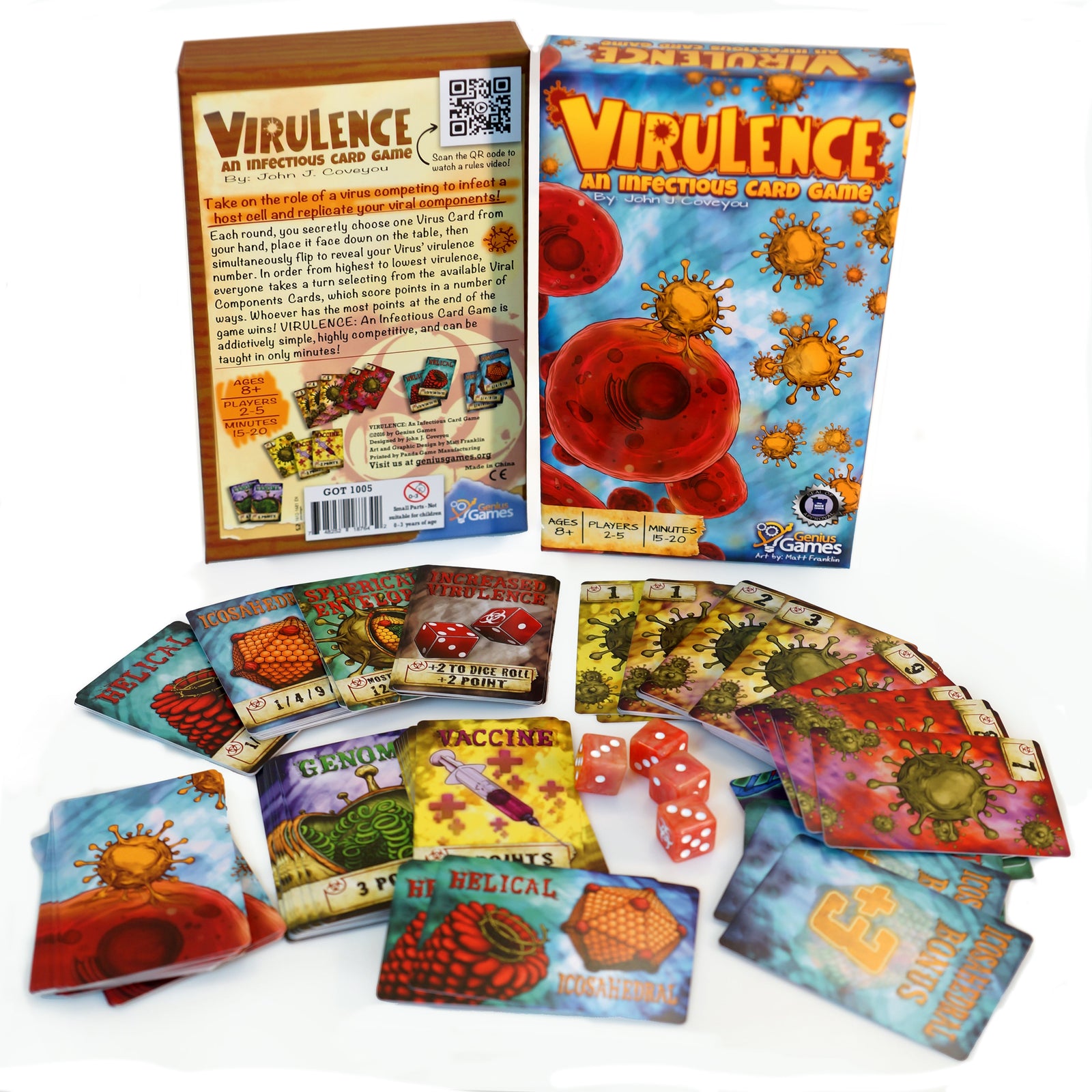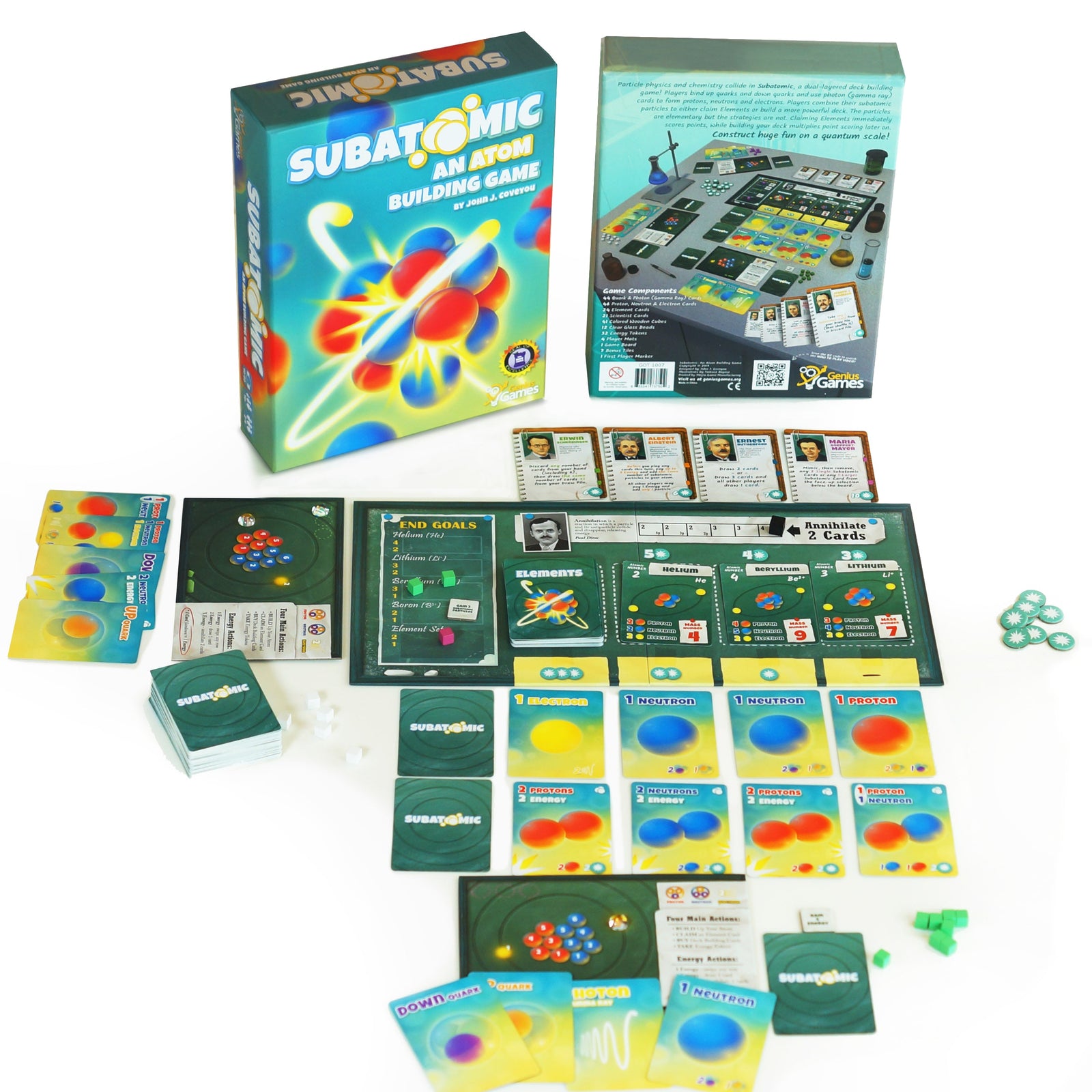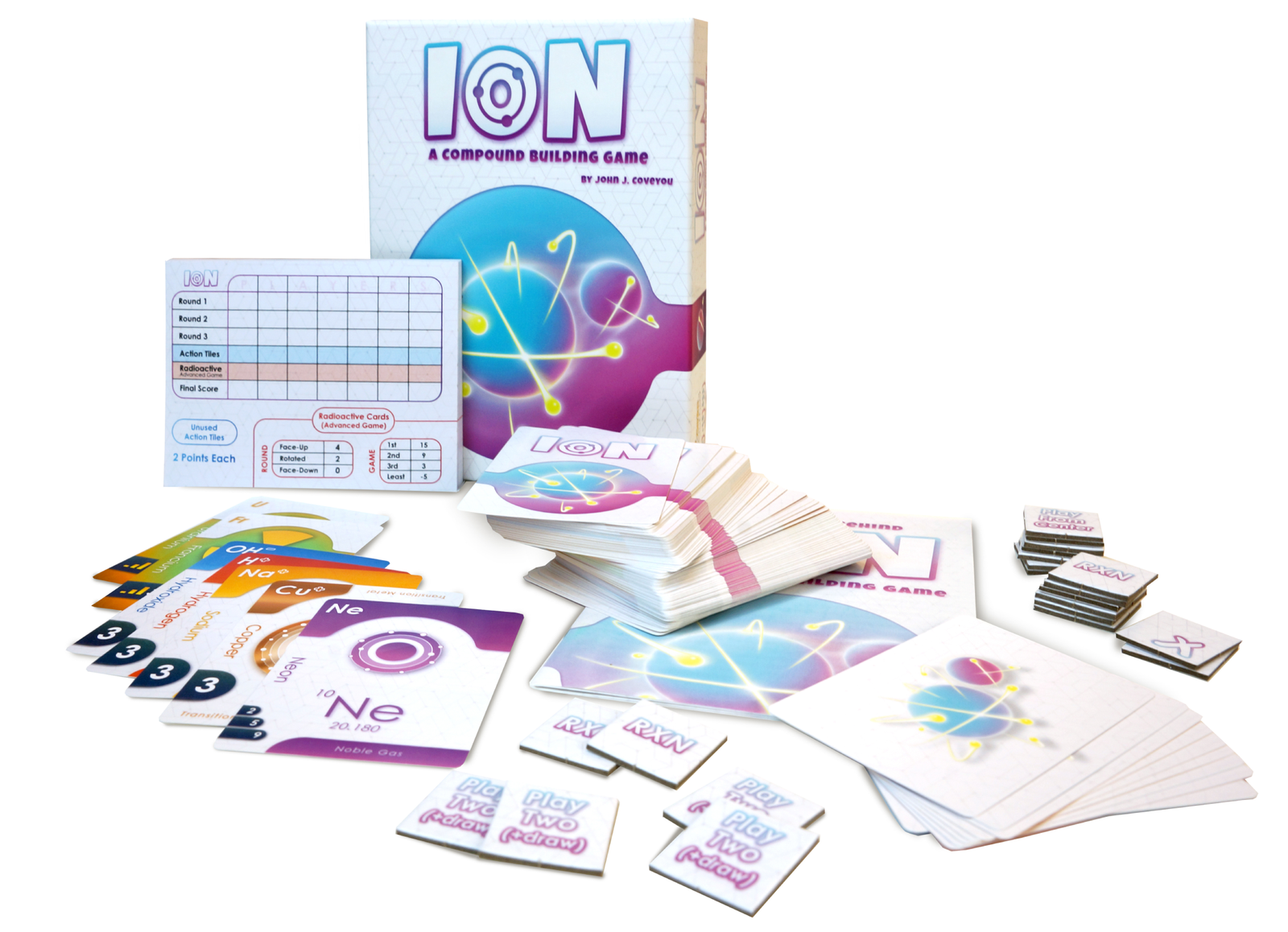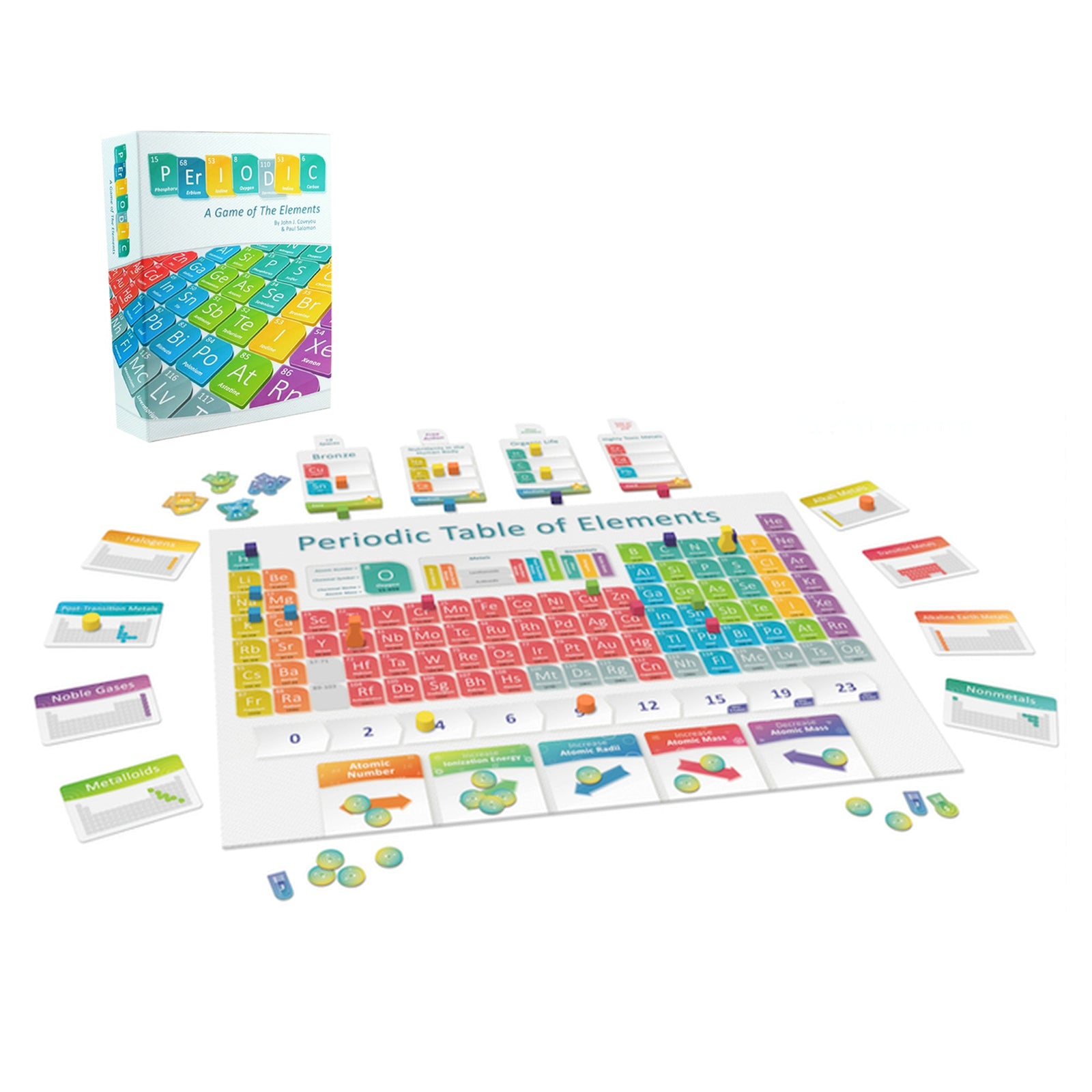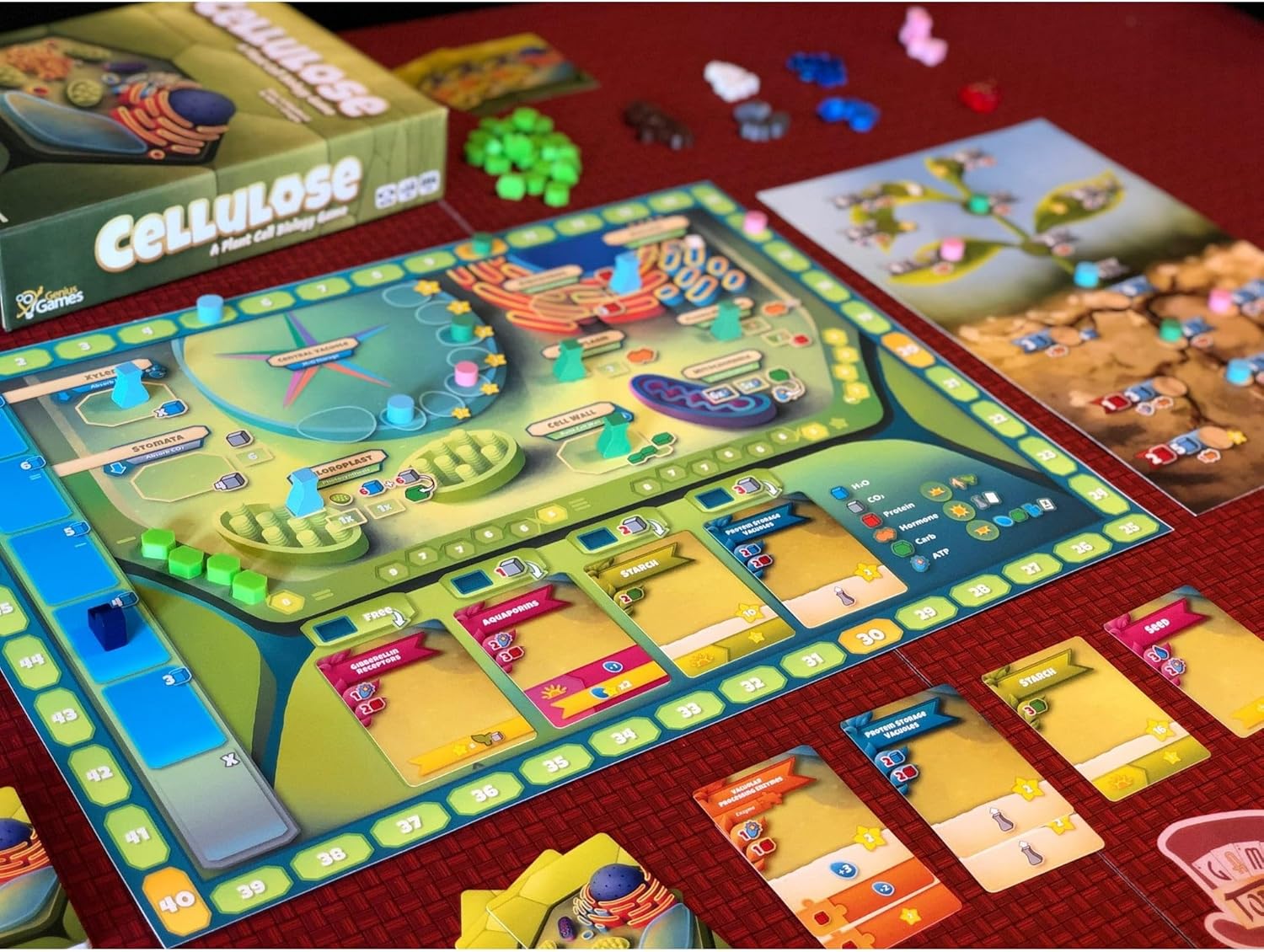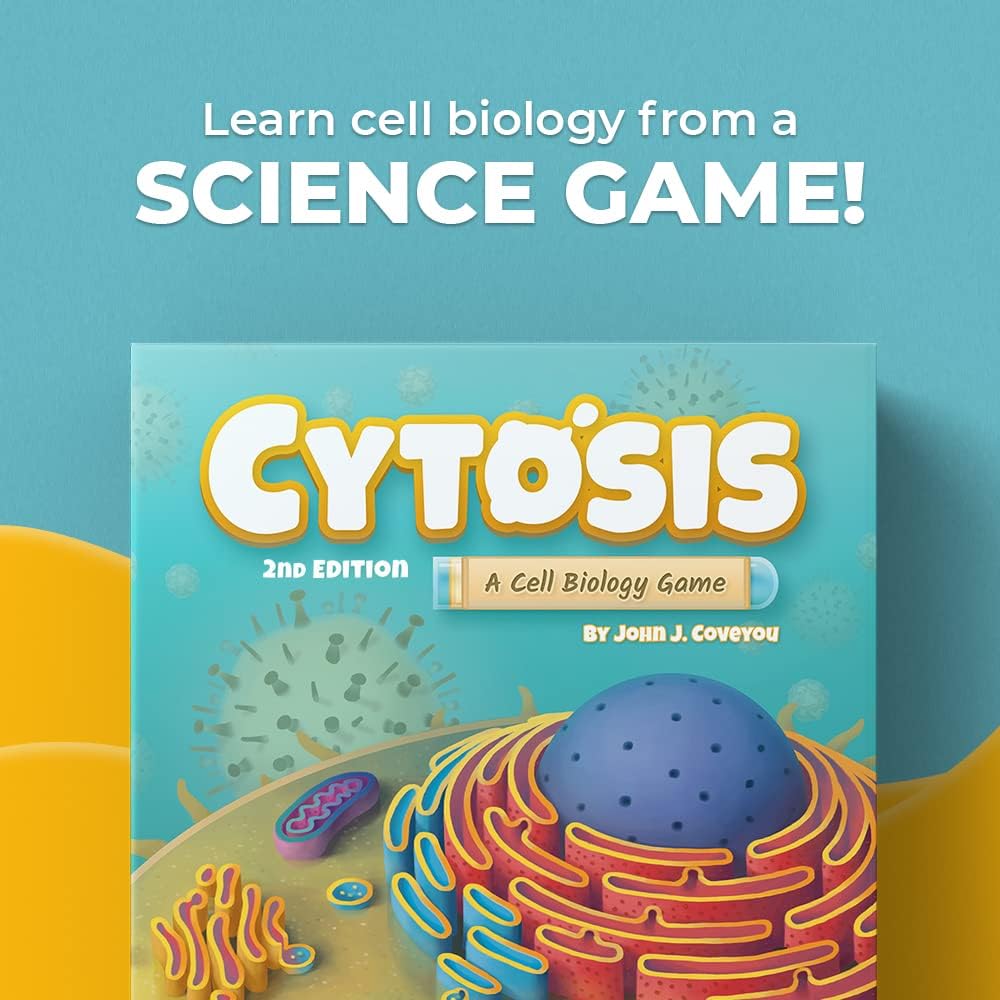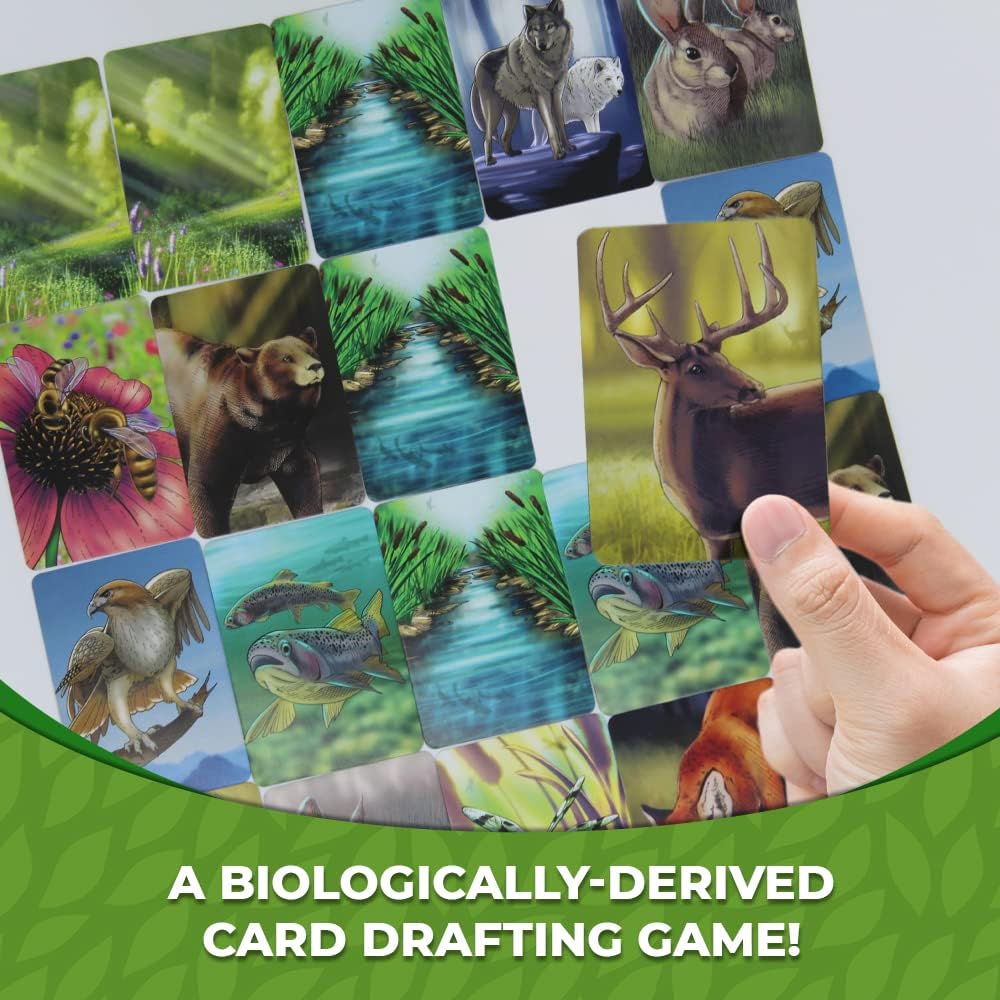
Our favorite STEM-themed board games and card games from the maker Genius Games.
These unique, techincally-accurate and educational games help you learn topics in:
These classic games are short to medium length, ranging from 20 minutes to an hour, and will help your kids learn about science outside of the classroom in a family activity.
It depends on the game, not just the subject. Our collection spans ages 8 to 14, and the age rating usually tracks with how much reading, strategy, or prior science knowledge a game assumes. Ion, Virulence, Ecosystem: Coral Reef, and Ecosystem: Savanna work for ages 8 and up. Peptide, Periodic, Cytosis, and Ecosystem are built for ages 10 and up. Subatomic and Cellulose are geared toward teens (14+) because the mechanics get more complex.
Yes, for the right games. STEM board games teach real science concepts (infectious disease, protein folding, ecosystems, atomic structure) through play instead of a worksheet. For elementary-age kids, look for games rated 8+ with straightforward rules, like Ion or Virulence. Games rated 10+ or higher usually assume more reading and strategic thinking than most elementary students have developed yet.
At 10, kids can usually handle more strategic depth and multi-step rules. Peptide, Periodic, Cytosis, and Ecosystem are all rated 10+ and cover topics like protein biology, the periodic table, cell processes, and ecology. If your 10-year-old already loves science or reads above grade level, Subatomic (14+) can also work, just expect to walk through the first game together.
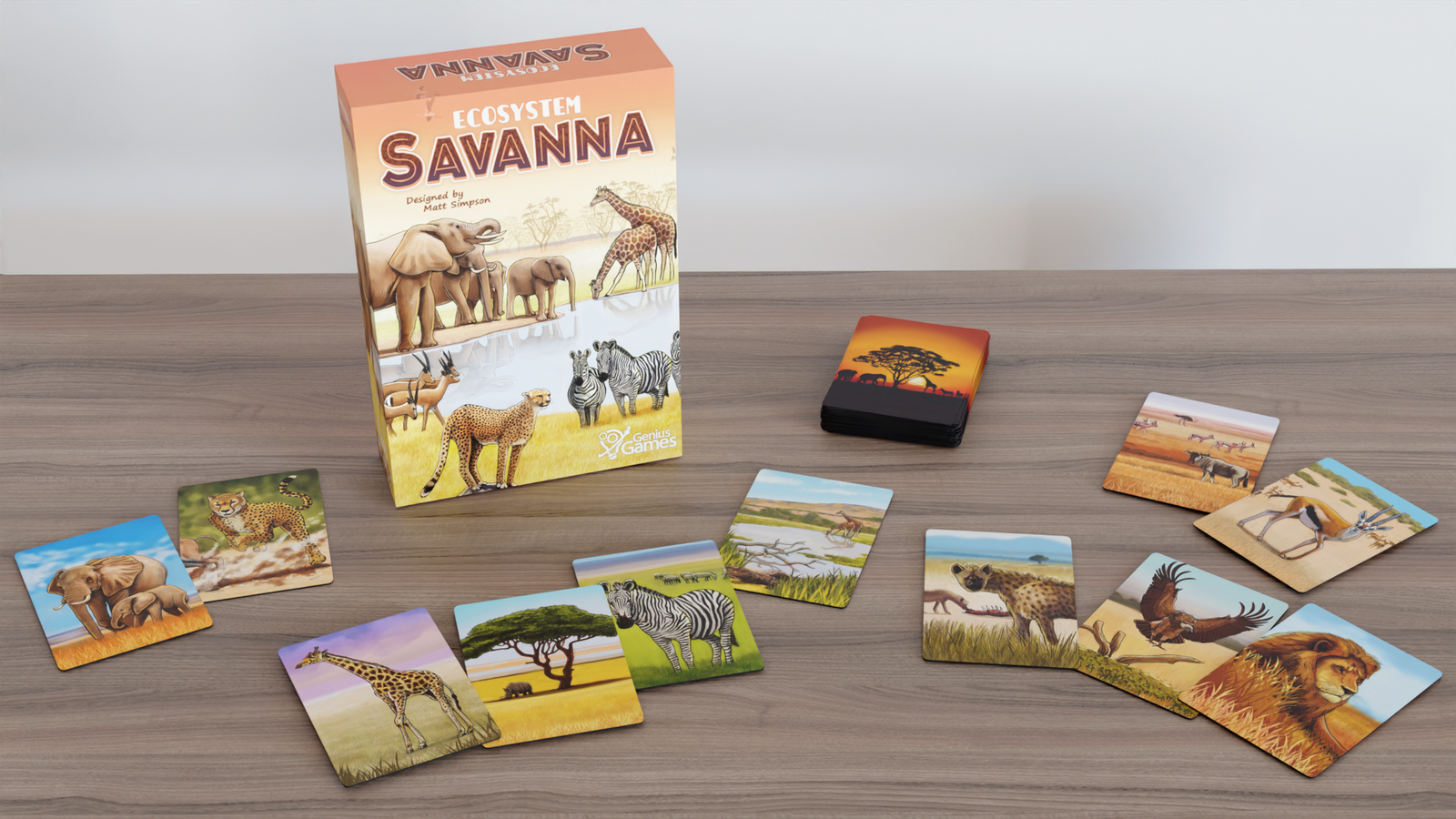
Most of these games play well with 2 to 6, so they work for a small family game night or a slightly bigger group. Ion is the most flexible at 2 to 7 players, and Cellulose is the only one built for solo play, ranging from 1 to 5. If you're buying for a classroom, check the upper end of each range since a few (Subatomic, for example) cap at 4.
It depends on what your kid gravitates toward. Chemistry and the periodic table: Ion, Periodic, and Subatomic. Cell and molecular biology: Peptide, Cytosis, and Cellulose. Ecology and animal habitats: Ecosystem, Ecosystem: Coral Reef, and Ecosystem: Savanna. Microbiology: Virulence. If your child (or classroom) is working through more than one of these subjects, the set as a whole covers a solid cross-section of a typical middle or high school science curriculum.