The Pocket Card Monthly QR Exclusive - May 2026
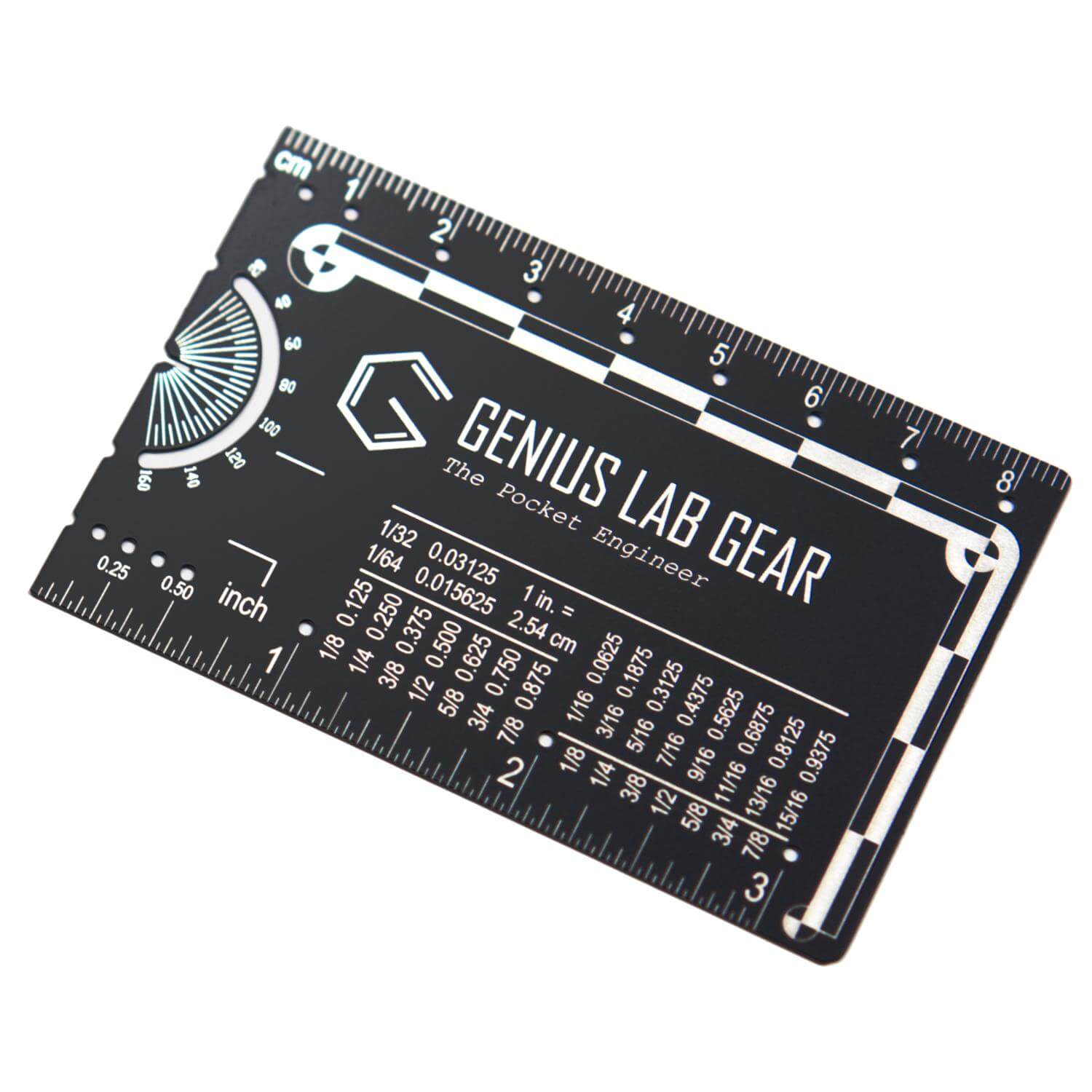
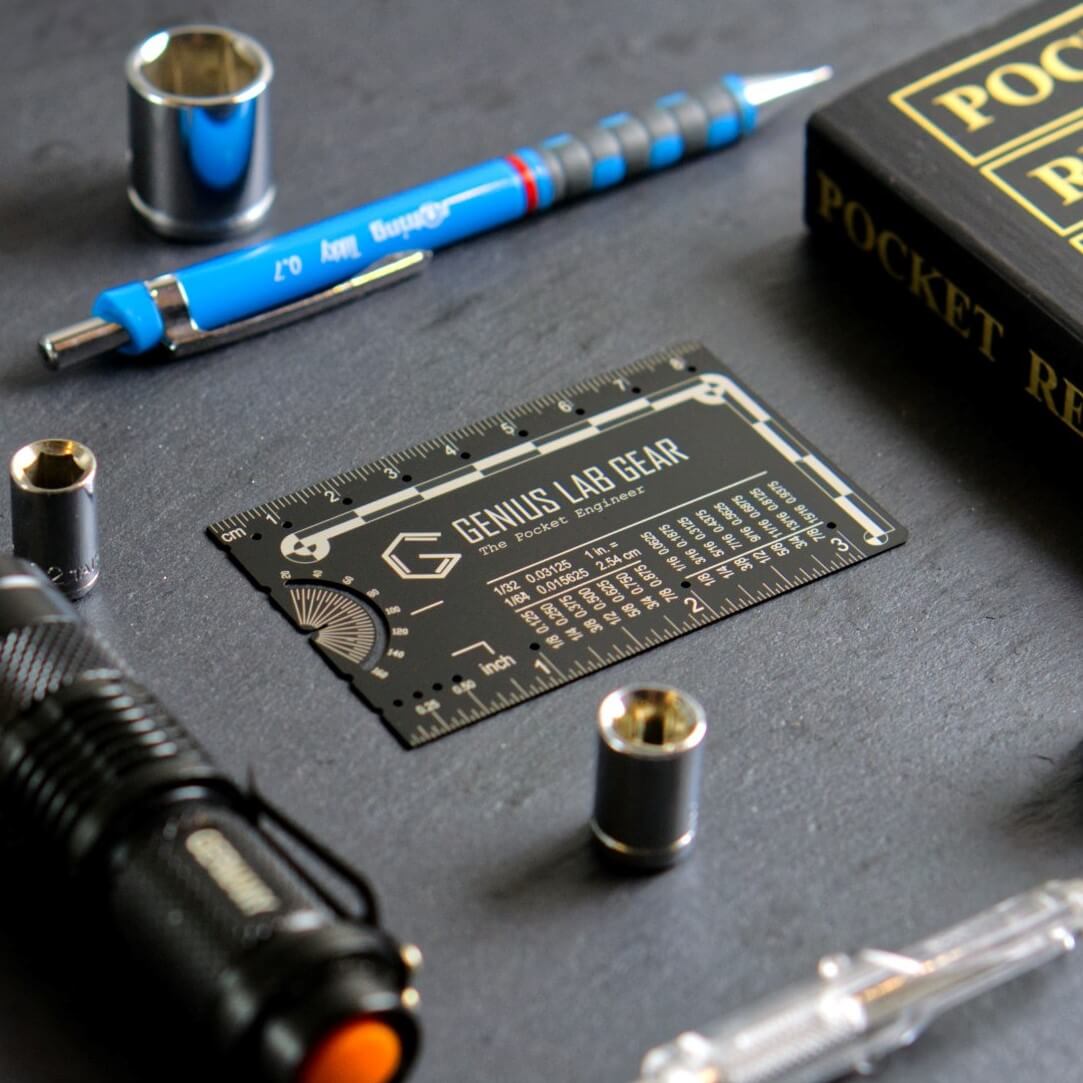
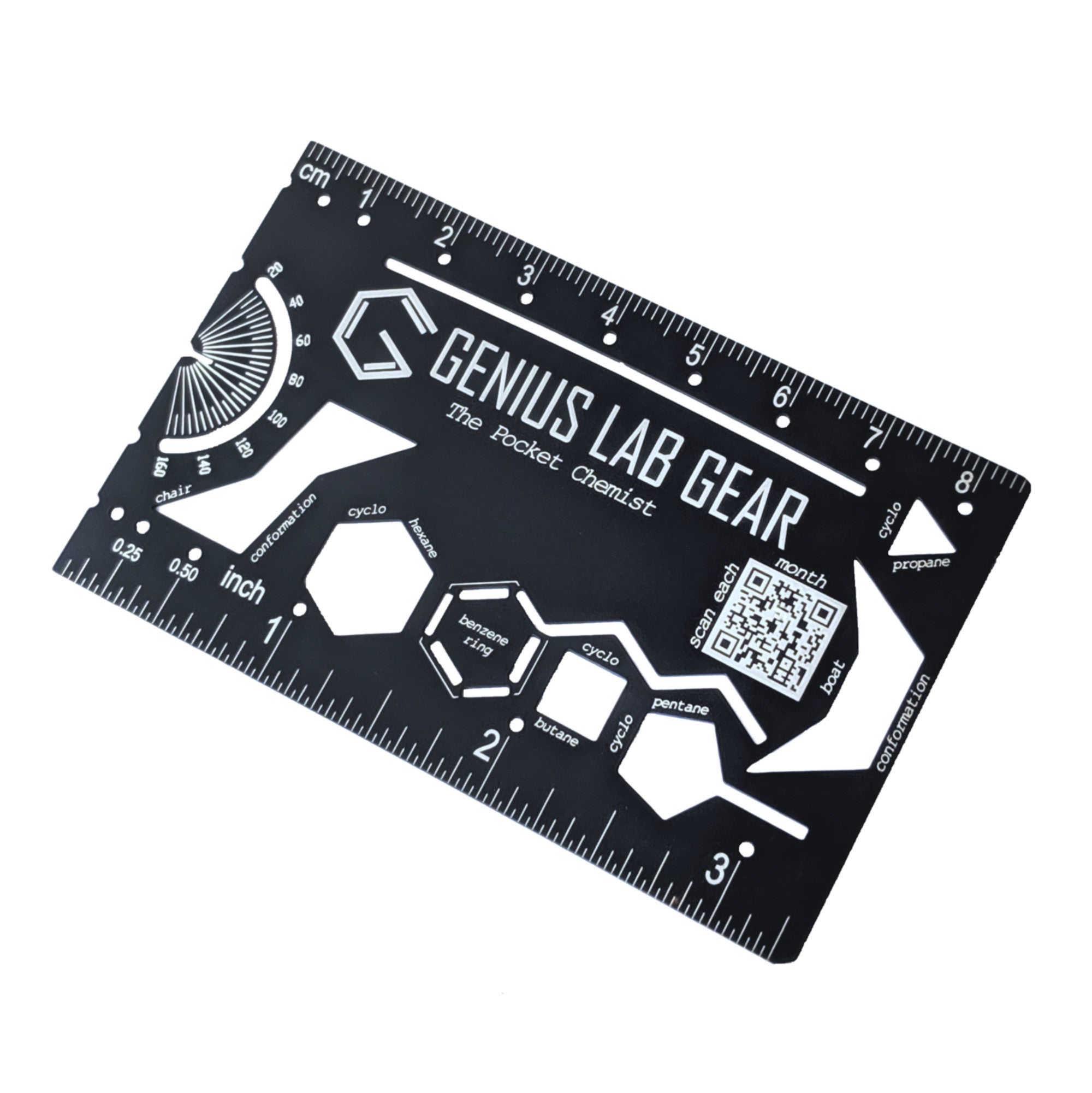
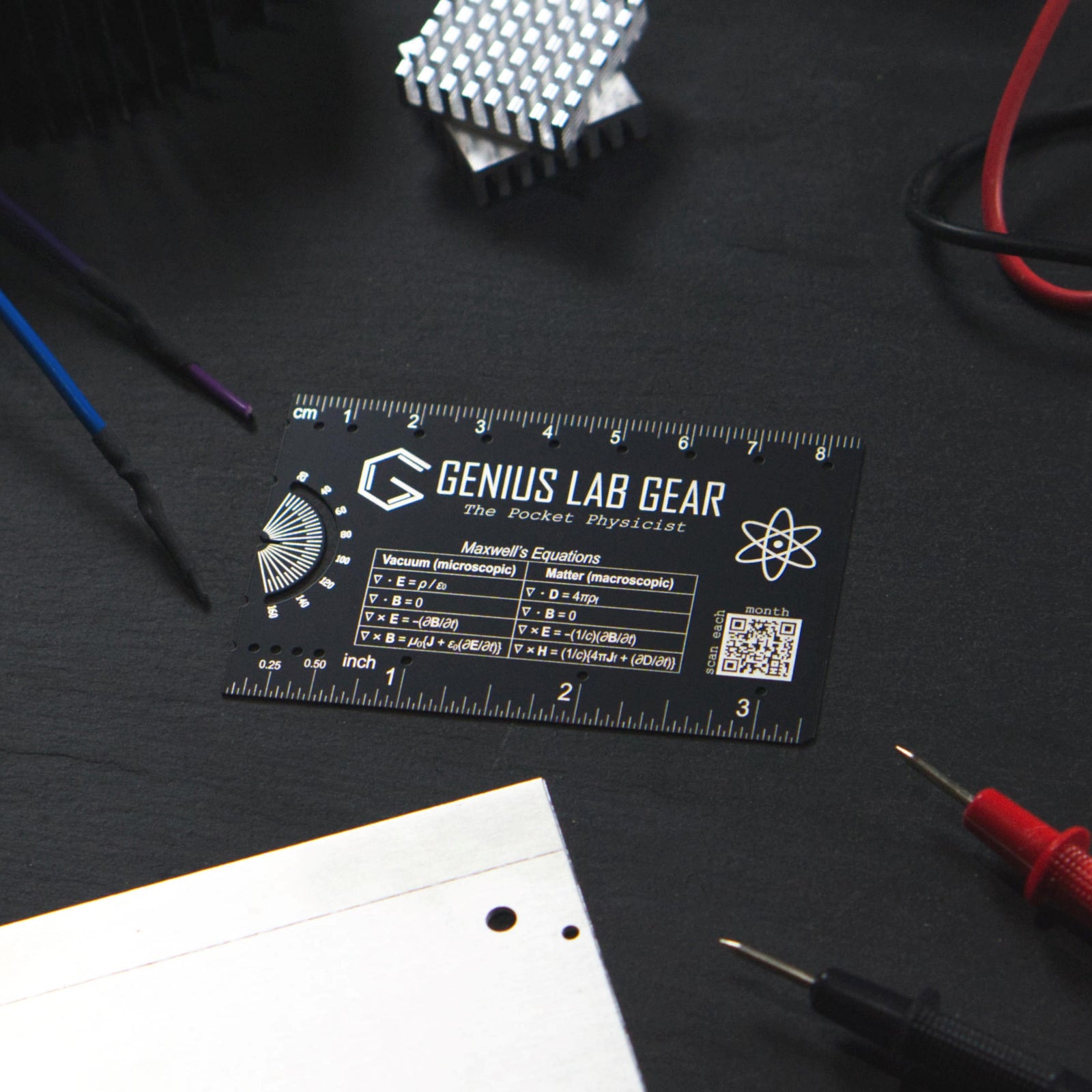
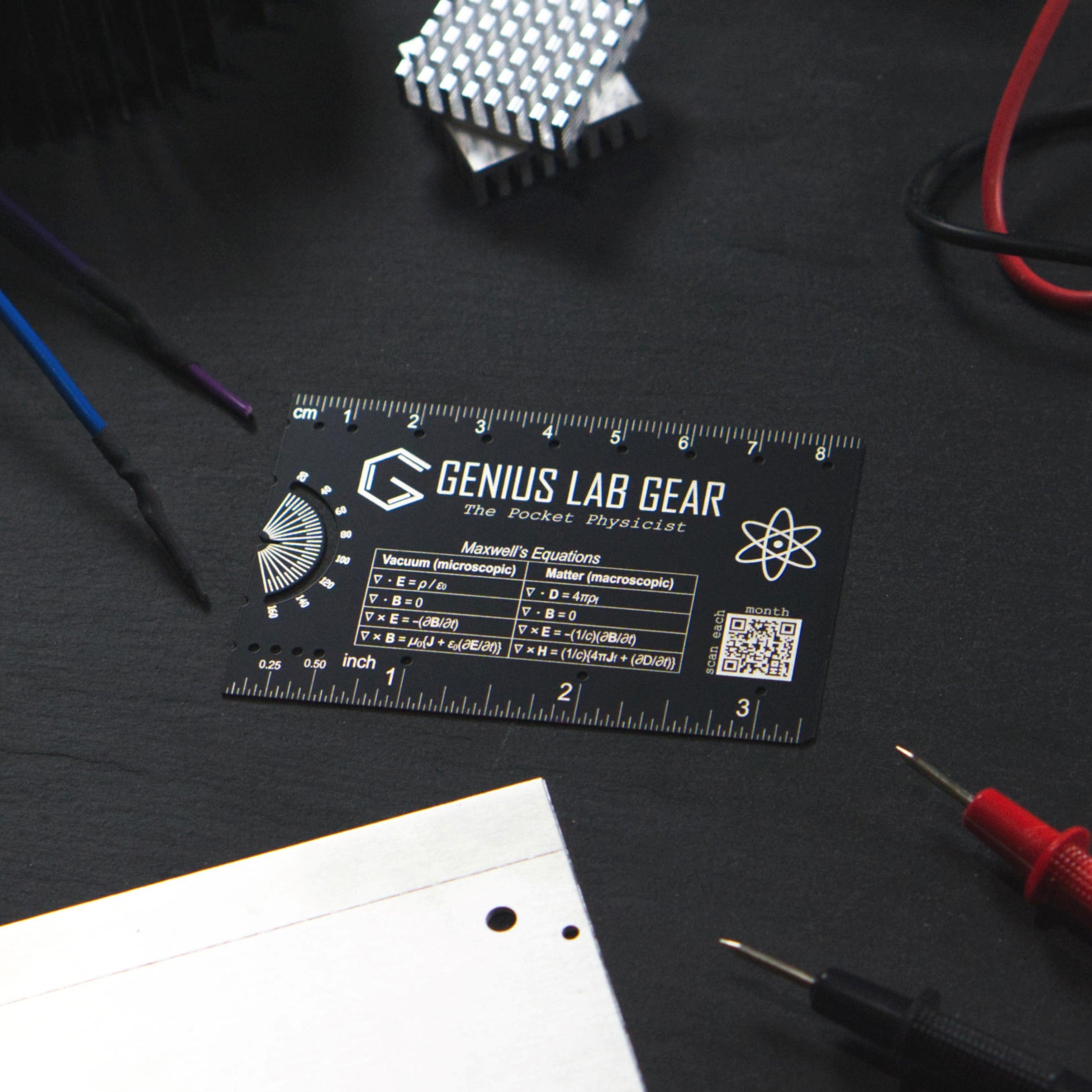
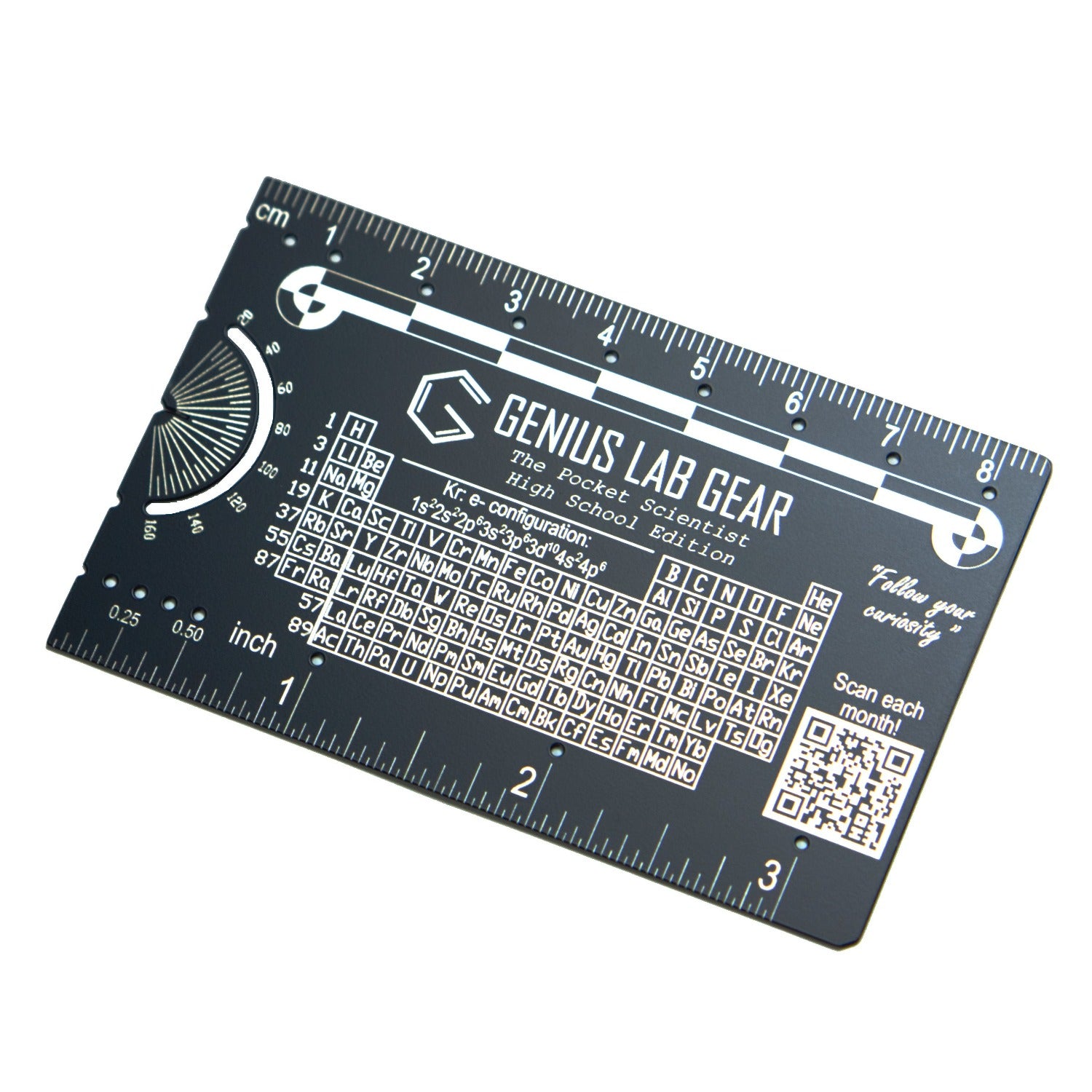
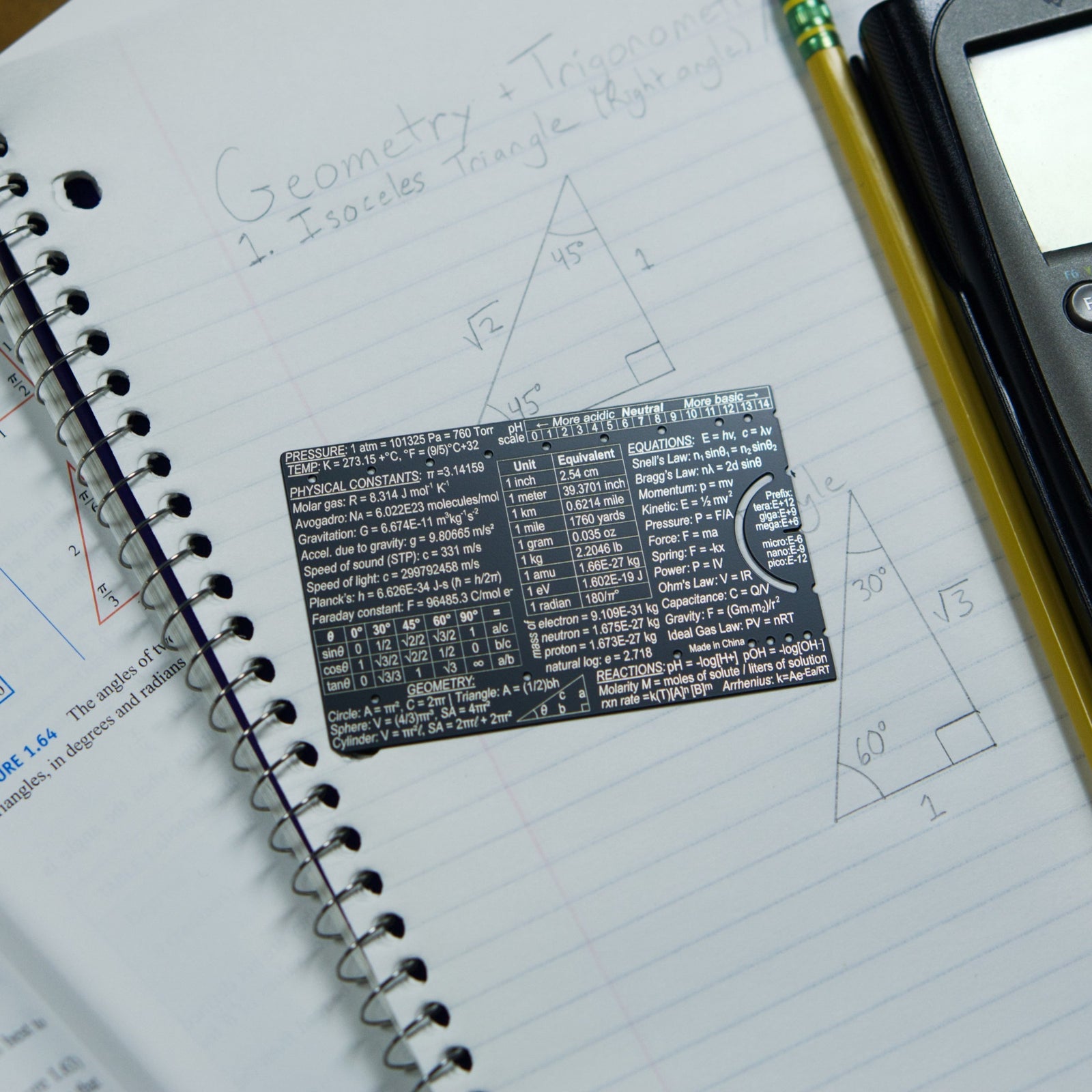
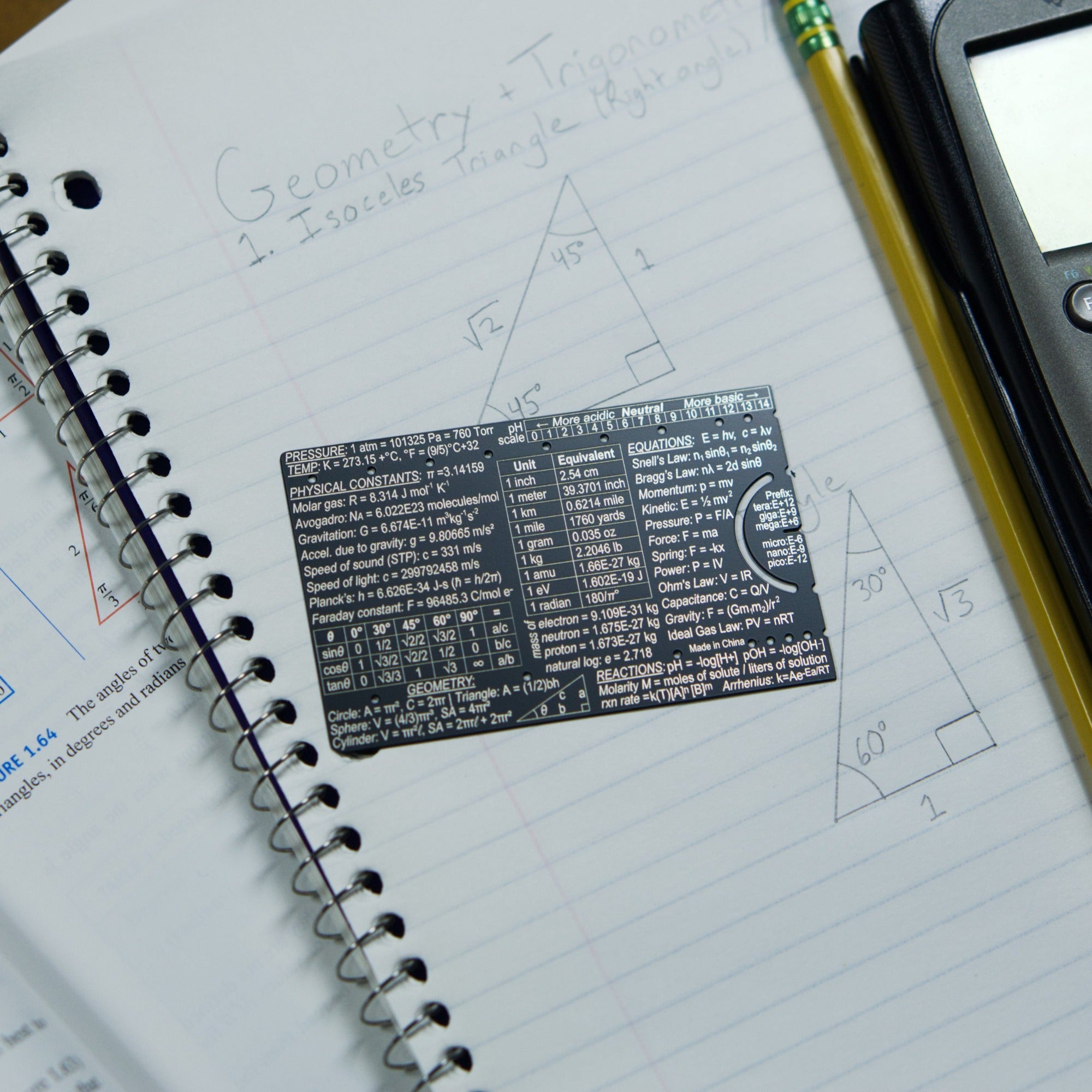
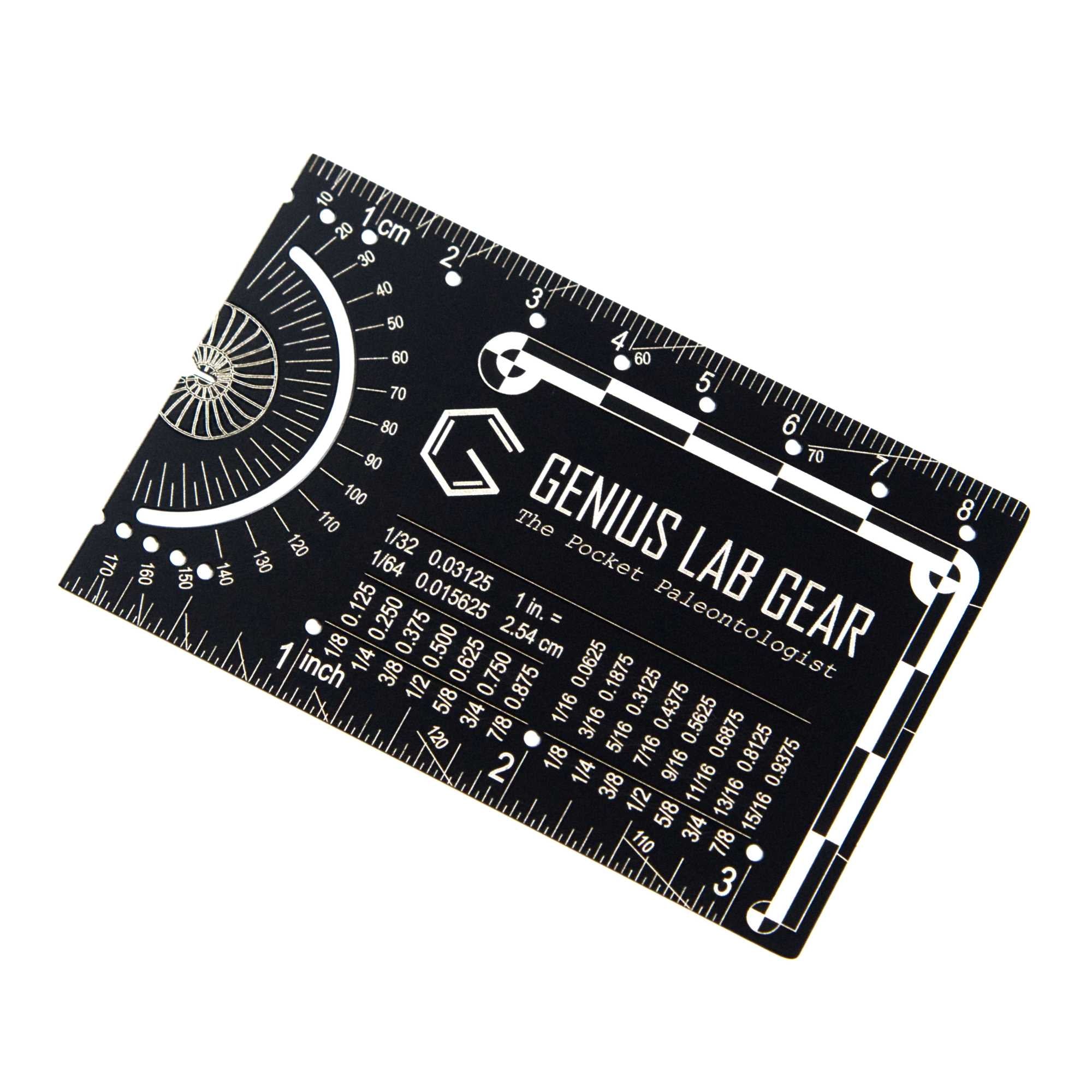
Thank you for ordering one of our popular STEM Pocket Tools and scanning the QR code to reach this page! This page is exclusively for holders of these cards and will have new content, freebies, resources and discounts every calendar month.
If you haven't signed up yet, subscribe here and you'll get our full toolkit of STEM resources!
May Resource: Find the papers you didn't know you needed with Research Rabbit
If you've ever started a literature review by opening Google Scholar and spending three hours clicking from citation to citation, only to realize you've drifted three fields away from where you started, you're not alone. Literature search is one of the most time-consuming parts of science, and most of us were never formally taught how to do it efficiently. My method in this blog post was brute-force and would have been SO MUCH easier with today's tools.
Research Rabbit is a free tool that turns literature search into a visual, exploratory experience instead of a keyword guessing game. You start by adding one or a few papers you already know are relevant, and it builds you an interactive map of connected work: papers that cite it, papers it cites, and papers that are co-cited alongside it by other authors. You can zoom out to see the whole network, or drill into a cluster to find the seminal papers in a specific subfield.
It helps plug the gaps you might have missed with a standard search. The graph view makes it immediately obvious when a paper is widely cited (likely important) versus isolated (likely a niche detour). Here's how you can use it:
- Starting a literature review in an unfamiliar area: drop in two or three landmark papers and let Research Rabbit map the field around them
- Tracking new publications: set up author and collection alerts so relevant new work comes to you
- Building a course reading list: quickly identify the most-cited foundational papers on a topic
- Sanity-checking your own reference list: see which citations cluster together and which look out of place
It integrates directly with Zotero, so papers can flow right into your existing reference library. It's free, there's no paywall, and it takes about five minutes to get up and running. Start exploring here.

The Lab Safety Institute wants to hear from you (and will give you something back)
The Laboratory Safety Institute is a nonprofit organization that has been supporting safety education in academic, industrial, and government labs for decades. Right now, they're running a confidential survey for higher education faculty and staff to better understand what institutions actually need when it comes to lab safety support.
If you work in or around a higher-ed lab environment, I'd encourage you to take 10 minutes to fill it out. If you choose at the end, you'll receive a free one-year individual LSI membership as a thank-you. You can access the survey here. It takes about 10 minutes and it's the kind of data that actually shapes how safety resources get developed and distributed. Plus, the free membership gives you access to tons of helpful webinars and resources!
AI in the lab: what's real, what's not, and where to start
The noise around AI in science is exhausting. Every week there's a new announcement claiming AI will "revolutionize" drug discovery, climate modeling, or peer review. Most of it is either investor hype or research that is years away from having any practical impact on your actual day-to-day work.
So here's a grounded, hype-free look at what is genuinely earning its keep right now, based on where AI has cleared a meaningful bar for real scientific workflows.
Where AI is already useful:
Protein structure prediction has been legitimately transformed. AlphaFold 3, available through Google DeepMind's free server, predicts how proteins and other biomolecules fold and interact. If you work in structural biology, biochemistry, or drug discovery, this is now an incredible part of the workflow in many labs.
For literature tasks, Elicit is worth trying. It searches across millions of papers and can extract specific data from studies, pulling sample sizes, outcomes, and methods from dozens of papers in a systematic review without requiring you to read all of them in full. It's not perfect and you should verify what it pulls, but as a time-saver on structured tasks it holds up.
If you write code as part of your research (Python for data analysis, R for statistics, scripts for lab automation), AI coding assistants like GitHub Copilot are genuinely useful, especially for scientists who are competent but not expert programmers.
Where it's still not ready:
General AI chatbots are useful for drafting and explaining concepts, but they hallucinate citations with alarming confidence. Never use them to generate a reference list without verifying every single entry against the source. This is not a rare glitch.
Fully automated literature reviews are also not there yet. Tools that claim to write a complete review from scratch produce text that sounds authoritative but regularly misrepresents what studies actually found. Treat them as a drafting starting point, not a finished product.
The honest takeaway: AI is most useful in science right now for specific things with strict guardrails: structure prediction, code writing, and data extraction from structured documents. The bigger promises about autonomous research and AI-generated hypotheses are real research directions, but they are not your practical reality today. Pick one of the tools above and try it on a task you already do. That's the right level of engagement for most working scientists right now.
May Discount: Grab a Pocket card for your favorite classmate or colleague as a graduation or end-of-semester gift
Has a classmate or colleague ever commented on your Pocket card? What would they do if you surprised them with a "just-because" gift to help them in their work?
For the month of May, grab any STEM pocket tool for only $10. Use the code POCKET4MYFRIENDS at checkout. Limited to the first 20 orders this month.

Upcoming STEM Holidays/Events
April 22: Earth Day
Earth Day has been celebrated every April 22nd since 1970, making it one of the longest-running environmental advocacy events in the world. Visit earthday.org to find events near you, or share a piece of environmental science that has shaped your thinking with a student or colleague.
I'd recommend printing off one of the killer photos from the Artemis II mission or changing your desktop background to one!
April 25: DNA Day
DNA Day marks the publication of Watson and Crick's double helix paper in Nature on April 25, 1953, one of the most consequential papers in the history of science. Congress later designated April 25 as DNA Day to also honor the completion of the Human Genome Project in 2003. The National Human Genome Research Institute runs a DNA Day student essay contest and educator resources every year, worth sharing with any science students in your life.
👉 See our science and engineering holidays list to find more reasons (and seasons) to celebrate.
Behind the scenes at Genius Lab Gear
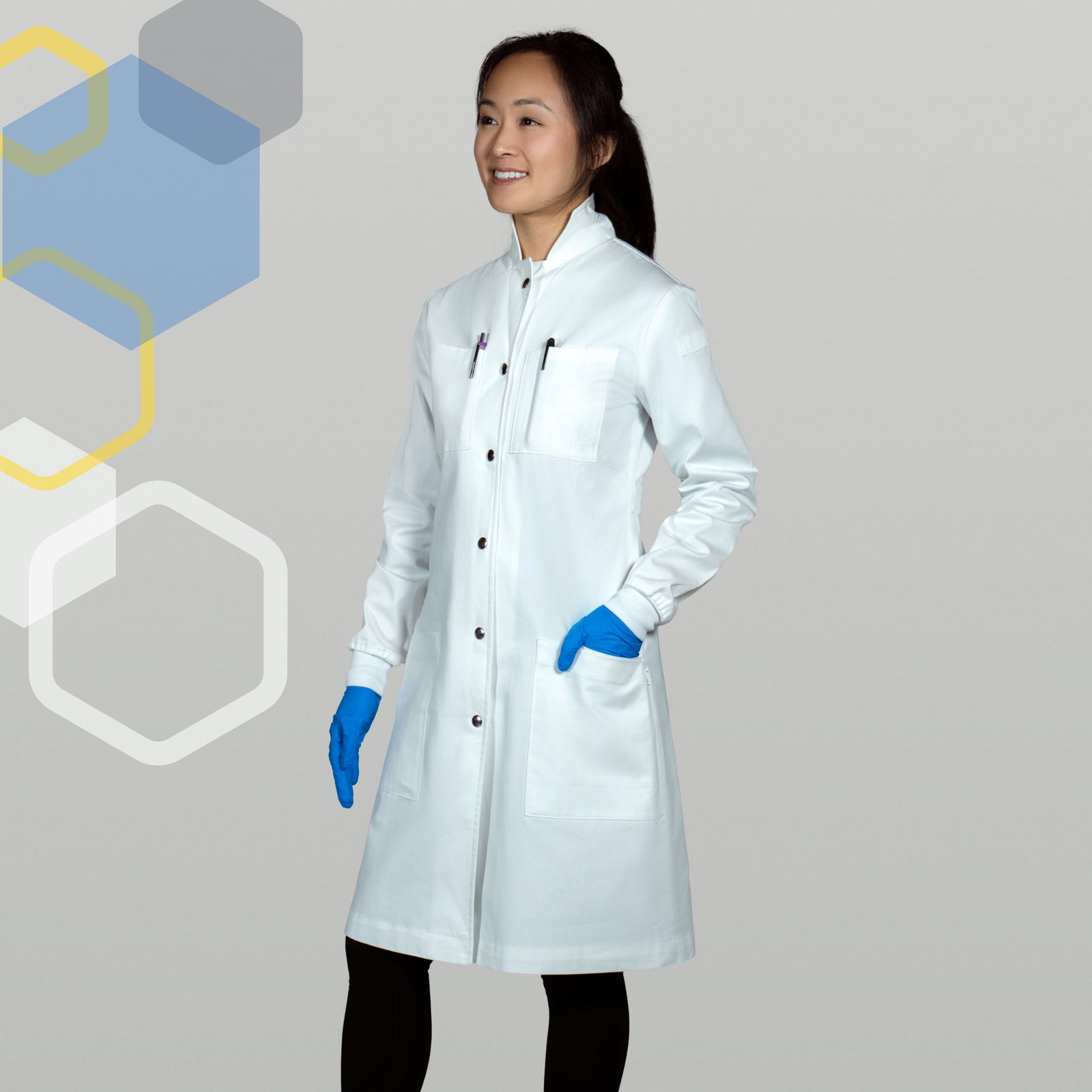
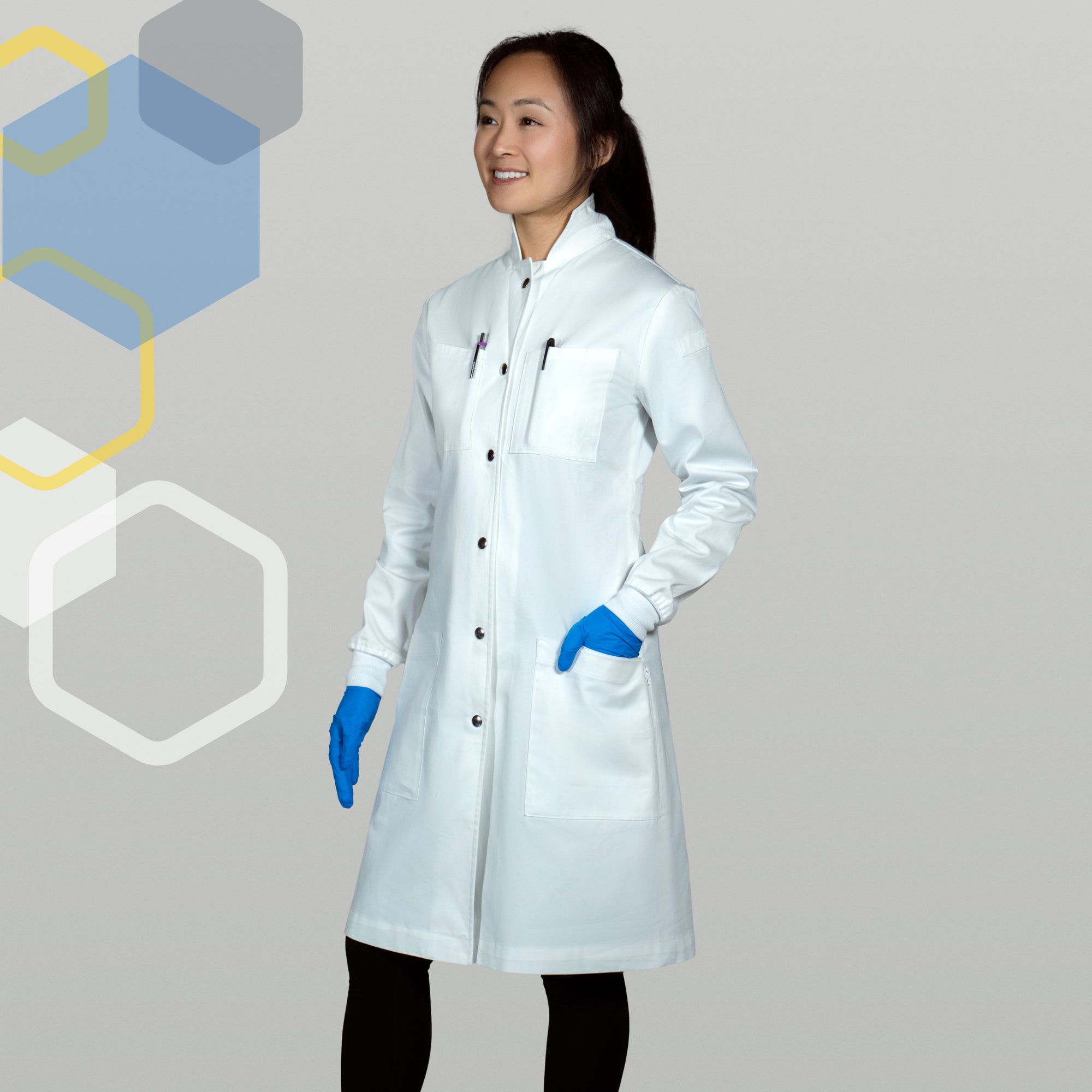
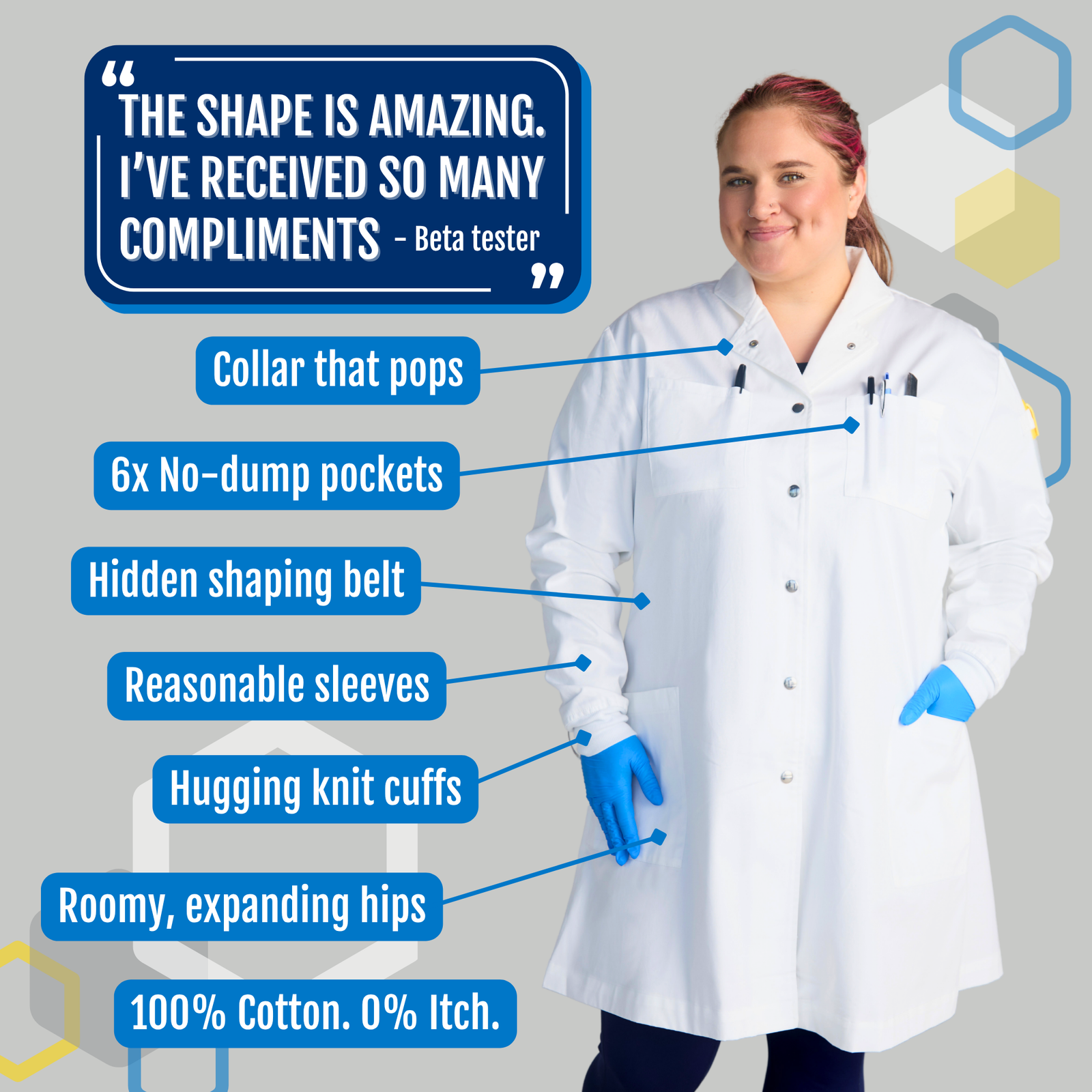
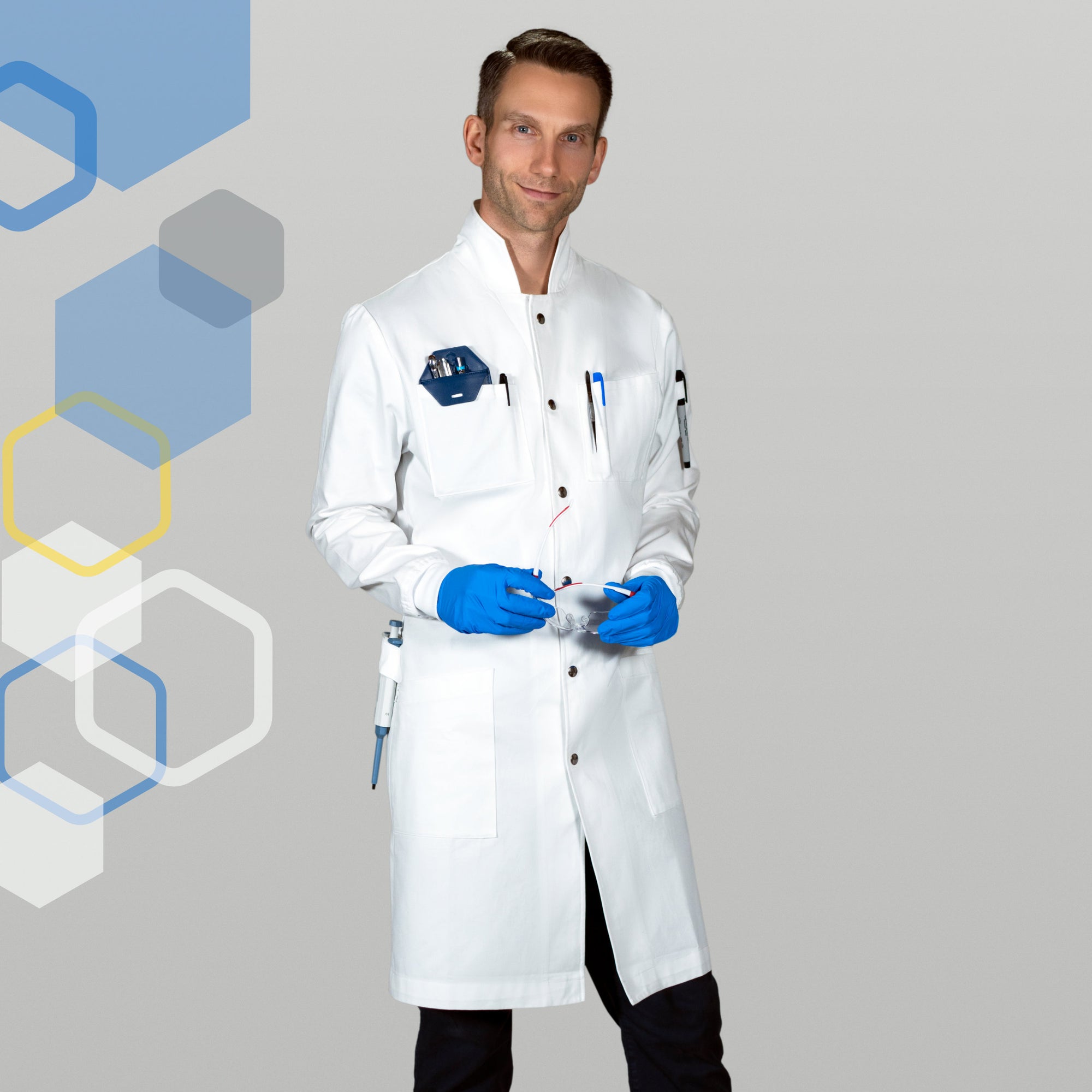
Black Lab Coats Sold Out - But Restocking in June!
The current production batch is wrapping up this month and we're on track for the coats to be available for purchase by early June. If you've been waiting on a black lab coat, this is the batch to watch for. We'll send an update to this list as soon as they go live so you don't have to keep checking the site.
Monthly Science Cartoon
I would theoretically eat every single one of these.

Science cartoons by Tom Gauld.