
How to Stay Cool While Wearing a Lab Coat All Day
If you’re in an old building like I was in grad school, your lab might hit 80-85F in mid-summer and fall. Not only can this wreck your experiments, it can make you avoid lab work entirely.
Whether you're a chemistry student, research assistant, laboratory technician, or scientist spending long hours at the bench, staying comfortable in a lab coat can make a significant difference in your workday.
Our lab coat survey data confirms that heat is a real occupational discomfort for a lot of researchers.
And yet, if you've ever gone down the Reddit rabbit hole looking for a "cooler lab coat," you've probably noticed something. Most of the experienced researchers in those threads end up saying the same thing:
"You're wearing it because you need the protection. Find ways to manage the heat around the coat, not by getting rid of the protection."
That's the honest answer. Most labs won't let you swap to a lighter garment if it sacrifices coverage. Safety requirements exist for a reason.
But that doesn't mean you're stuck suffering.
Here are eight things you can actually control.
1. Materials matter the most
If you're dealing with heat in a lab coat, fabric matters.
A super-thin polyester lab coat may trap heat more than a thicker cotton lab coat. It’s all about permeability of the fibers.
100% cotton breathes naturally, while polyester or poly-cotton blends are less permeable to air flow. Cotton allows some airflow and absorbs moisture rather than trapping it against your skin. It’s no different than wearing a nice wool sweater compared to a plastic rain poncho.
Different lab environments have different PPE requirements, but many standard laboratory coats are made from cotton because cotton is breathable, comfortable for extended wear, and does not melt when exposed to heat the way polyester can. Cotton burns slowly but does not melt, which is why it's the preferred material in most standard lab environments.

2. Consider what you wear underneath
This is the one most people overlook. They focus entirely on the lab coat, when the bigger difference often comes from what's underneath it.
Heavy cotton t-shirts and thick hoodies trap heat against your body before your lab coat ever gets involved. Swap them out for lightweight, moisture-wicking athletic shirts or breathable natural fiber layers. The coat itself stays the same, but your baseline comfort changes a lot.
If you work in a warm climate or run hot naturally, treating your base layer like you'd treat workout gear is worth trying.
3. Stay hydrated before you feel thirsty

This one sounds obvious until you actually try to maintain it during a 4-hour protocol.
When you're focused on an experiment, your brain deprioritizes basic maintenance. Researchers routinely end up hours into a session before realizing they haven't touched their water bottle.
Keep a water bottle in a designated safe area, ideally somewhere you'll see it during natural pause points in your work. Drink on breaks, not just when you're thirsty. In summer months especially, your hydration needs go up even if your activity level doesn't feel like it has.
4. Use airflow during non-bench time
Not every hour of your day involves active chemical handling.
When you're writing, running data analysis, in a meeting, or doing paperwork, check whether lab policy allows you to remove the coat. A lot of people keep it on out of habit even when they're nowhere near the bench.
Where fans are permitted, use them. Moving air drops perceived temperature faster than almost anything else. And wherever possible, take administrative work into cooler shared spaces.
5. Take actual cooling breaks
Short breaks have a bigger effect on thermal recovery than most people give them credit for.
A few things that actually work: stepping into an air-conditioned common area for 5 minutes, rinsing your wrists with cold water at the sink (the pulse points on your inner wrists dissipate heat quickly), and getting fresh air outside when your environment allows it.
If you're doing a multi-hour experimental session, building short breaks into the protocol rather than powering through isn't laziness. It's basic physiology.
6. Manage your hair
Long hair traps heat around your neck and scalp more than most people account for. It also creates genuine safety concerns in many lab environments.

Tying hair back isn't just about keeping it out of your experiment. It removes an insulating layer from one of the areas where your body loses heat most effectively. Breathable hair ties help too. Thick cloth bands can add more warmth than necessary.
Check your lab's specific hair safety requirements and follow them, both for safety and for your own comfort.
7. Avoid adding unnecessary layers
It sounds self-evident, but: don't put on more than you need to.
Thick sweaters under PPE are the single fastest way to turn a manageable situation into a miserable one. If you're in a climate where cold mornings require extra layers, build in a stop at your desk or locker before heading into the lab.
Every layer under the coat is heat you're generating and trapping. Keep it to what the environment actually requires.
8. Know when heat becomes a safety issue
This section matters more than the tips above.
Heat discomfort and heat illness are not the same thing, and the line between them can be subtle when you're focused on work. Warning signs that mean you need to stop and take action include:
-
Dizziness or lightheadedness
-
Persistent headache
-
Difficulty concentrating
-
Excessive fatigue that doesn't match your activity level
-
Nausea

These are your body telling you that thermoregulation is becoming a problem. If you're experiencing any of them, remove yourself from the heat source, hydrate, and notify a colleague. Follow your workplace's heat safety procedures. They exist because this is a recognized occupational hazard, not because it's rare.
And if multiple people in your lab are struggling with heat at the same time, the problem may not be personal at all. It may be environmental. Laboratory HVAC systems are designed to maintain conditions for worker safety, equipment performance, and chemical stability, not just comfort. If temperatures are consistently excessive, that's worth raising through the appropriate workplace channels rather than treating it as an individual problem to solve.
In exceptionally hot environments, some workplaces approve cooling vests worn underneath PPE. If you're considering one, check with your lab safety officer first to ensure it complies with your facility's safety requirements.
Heat in the lab is real. Most of the solutions aren't about your lab coat. They're about everything around it. But starting with a coat that fits correctly and is made of the right material gets you further than most people expect.
Related:
Lab Coats designed by scientists
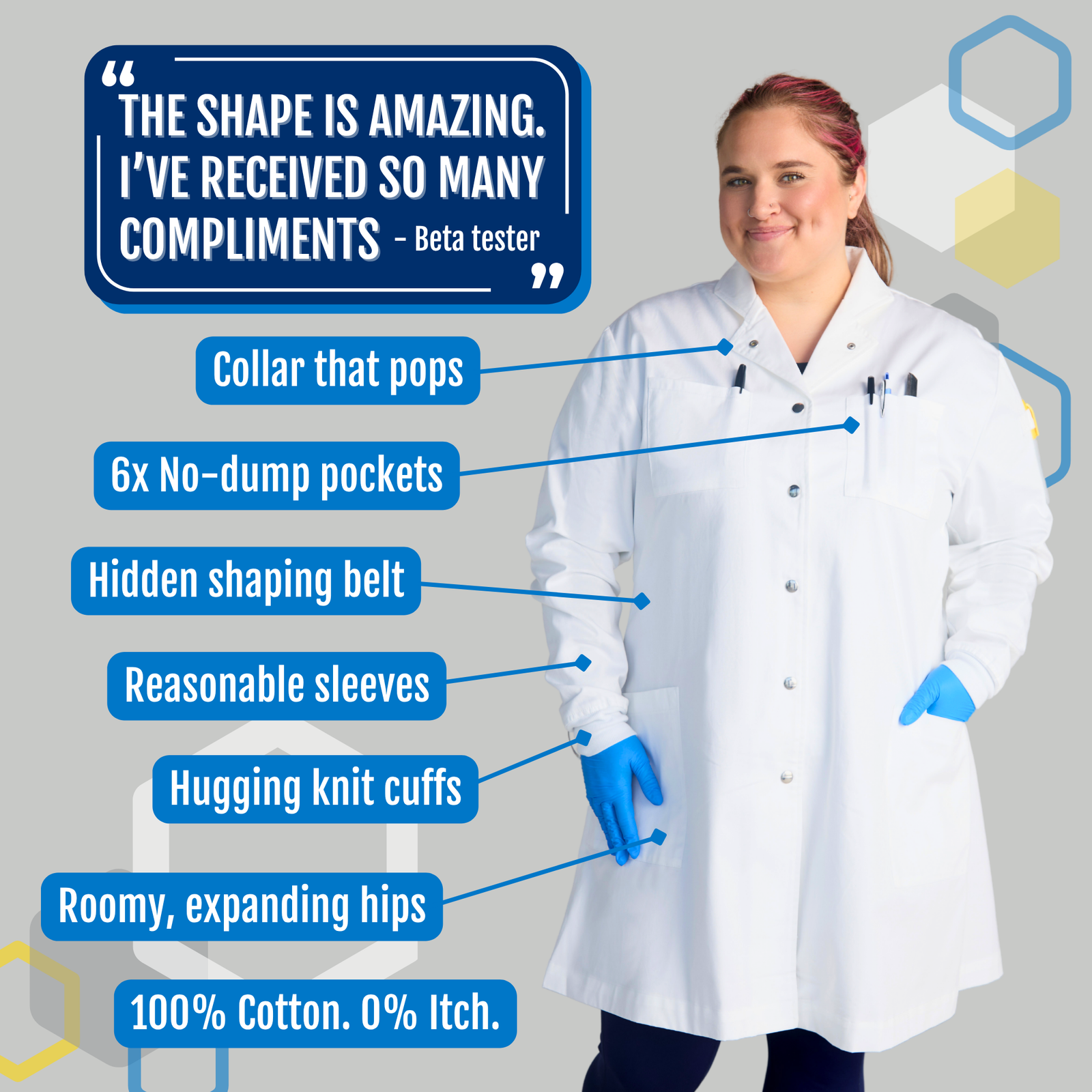
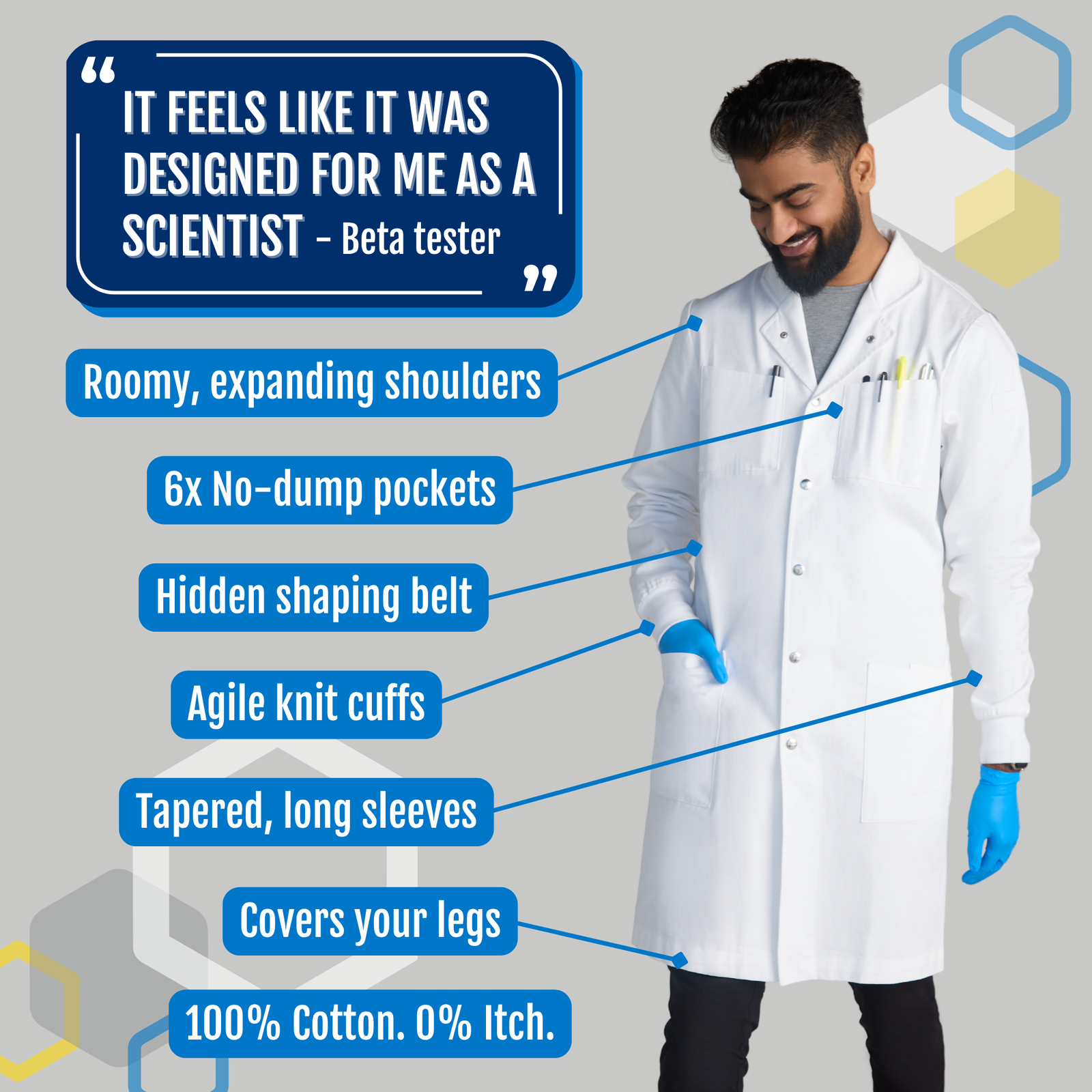
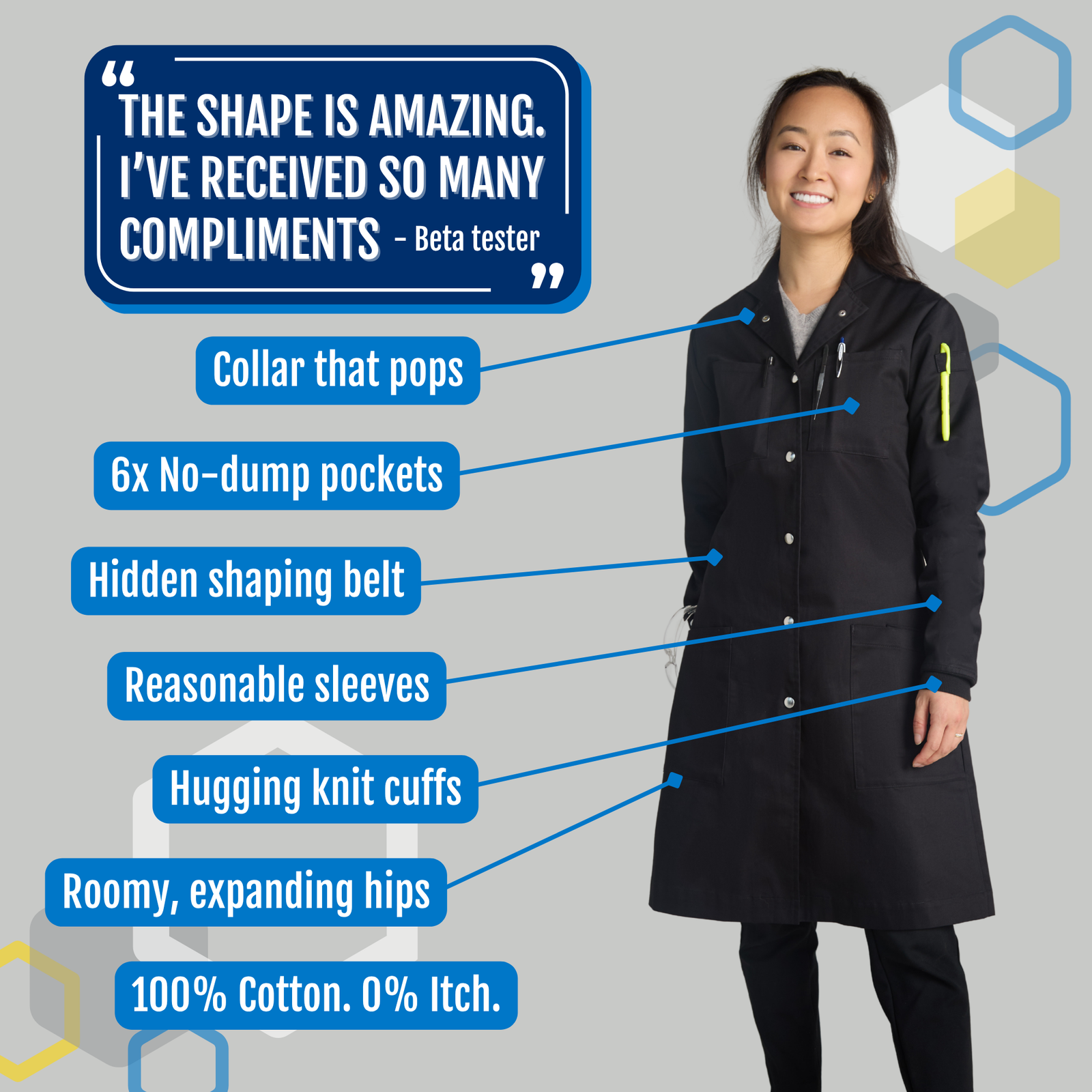
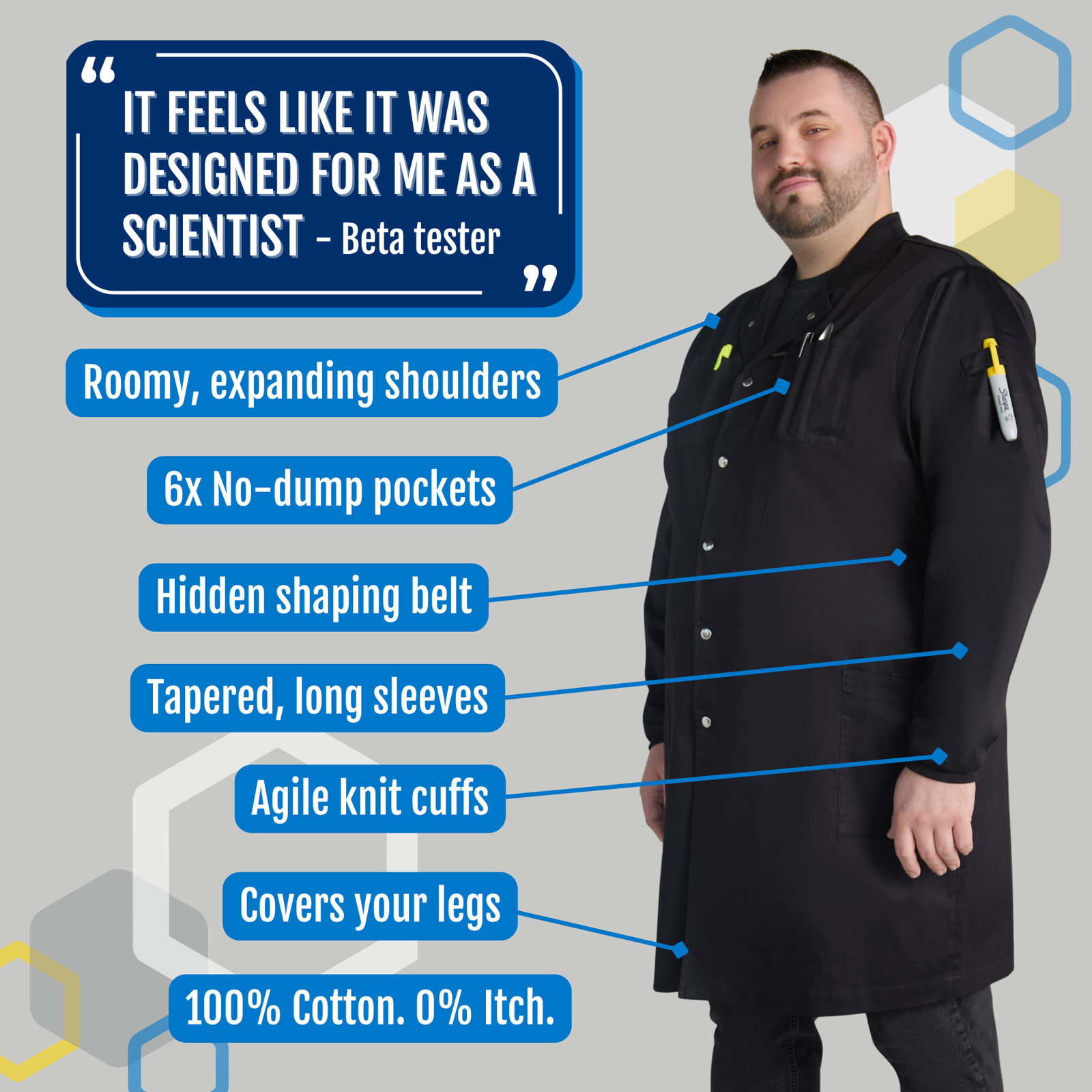
Our lab coats were designed from the feedback of over 1000 scientists as a part of The Lab Coat Project. Designed specifically for scientific research, especially chemistry and microbiology labs, with high-end features at an affordable price. Buying for a group of 10 or more? Request a group order quote here to access our group discounts.













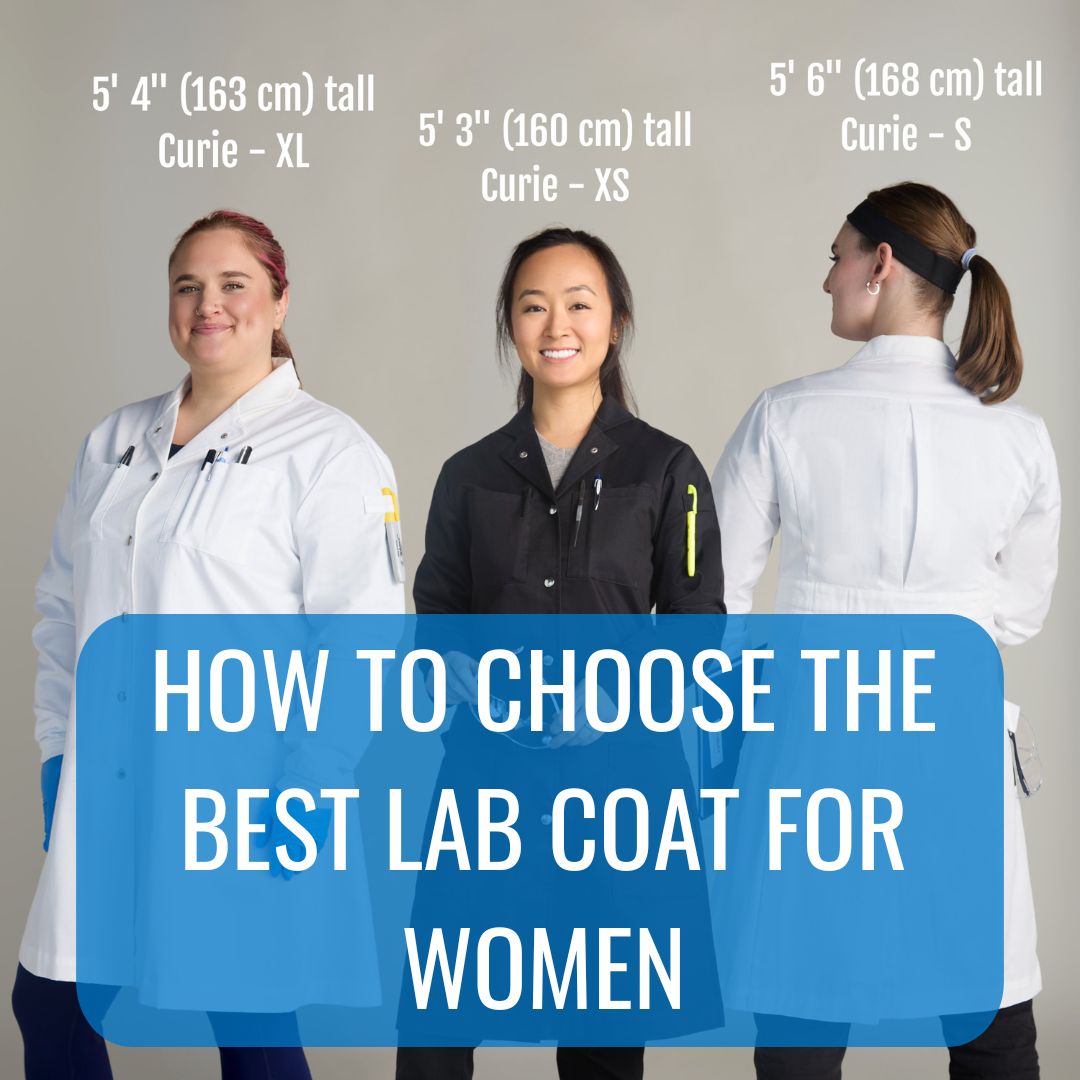

How to Choose the Best Lab Coat for Women
Ninety-seven percent of women in our Lab Coat Project survey reported a fit problem with their lab coat. Not a color complaint, not a style gripe. A fit problem. This guide will show you how to choose the perfect lab coat, so you can focus on science, not adjusting your sleeves.


What Size Lab Coat Should You Get?
Most lab coats fit badly because people order their regular clothing size instead of measuring. Here's exactly how to measure your chest, waist, and hips, what to do if you land between sizes, and why the Louis and Curie fit so differently.
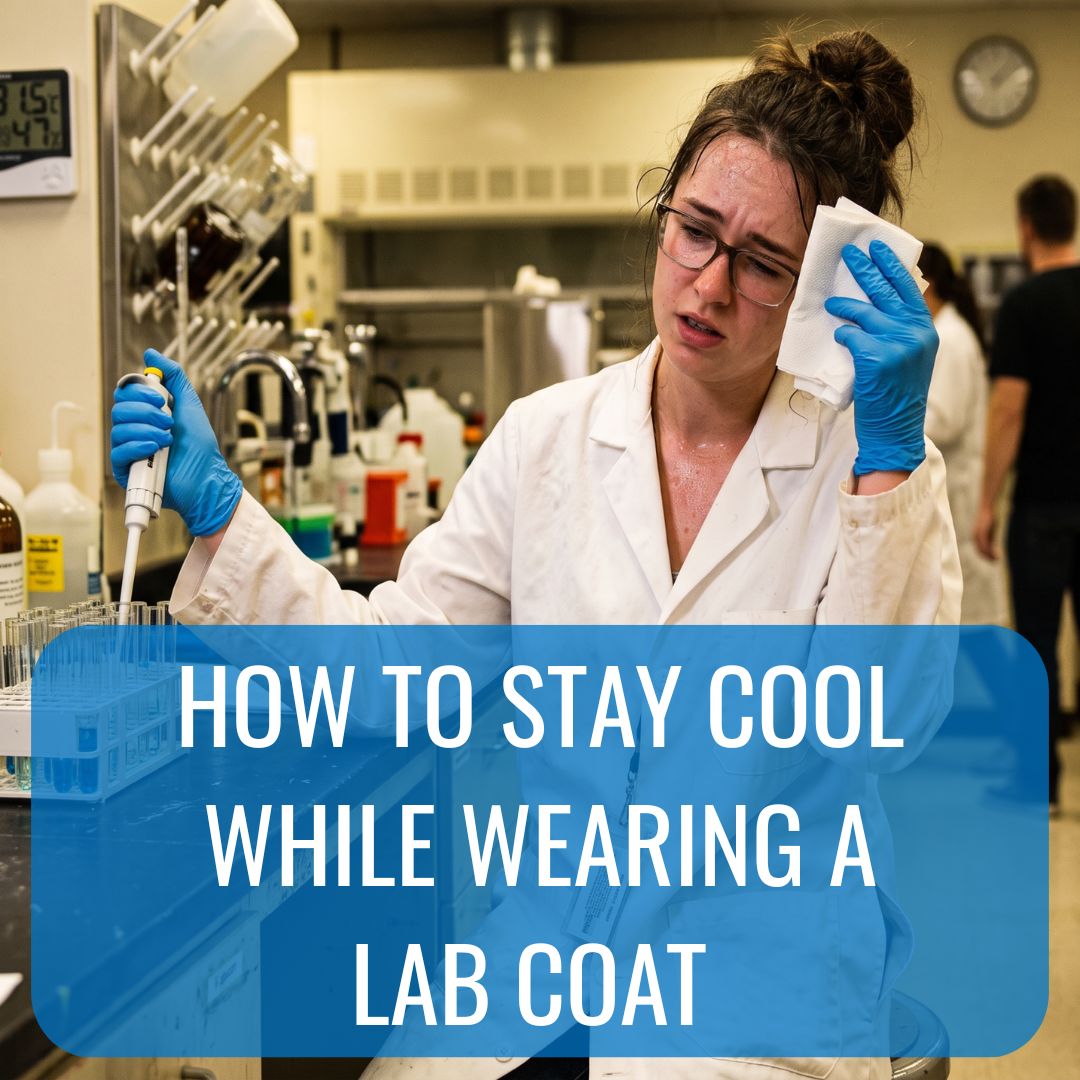

How to Stay Cool While Wearing a Lab Coat All Day
Stay comfortable during long days in the lab with practical, safety-conscious tips to reduce heat and sweat while wearing a lab coat. Learn what to wear, what to avoid, and how to stay cool without compromising protection.