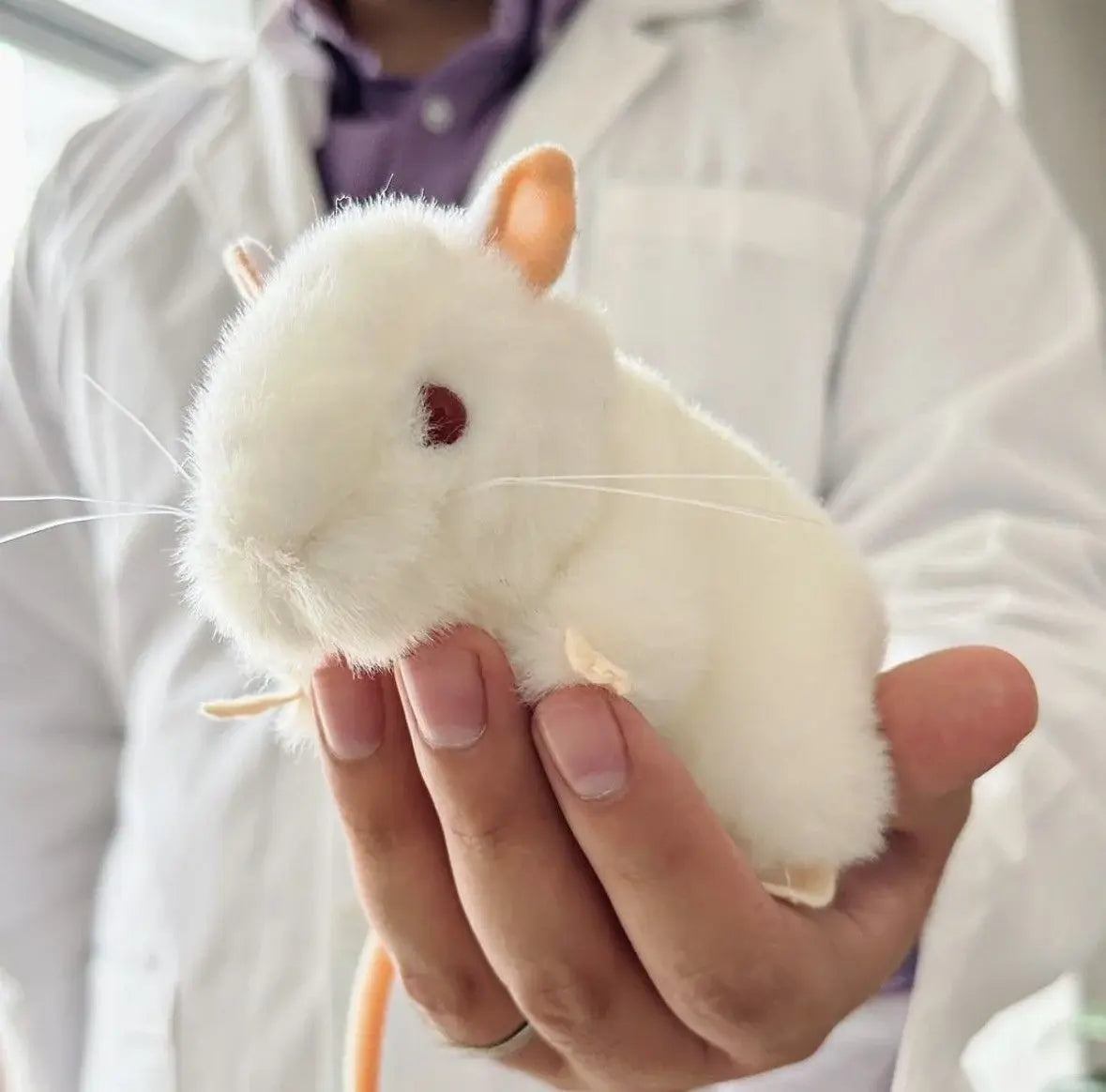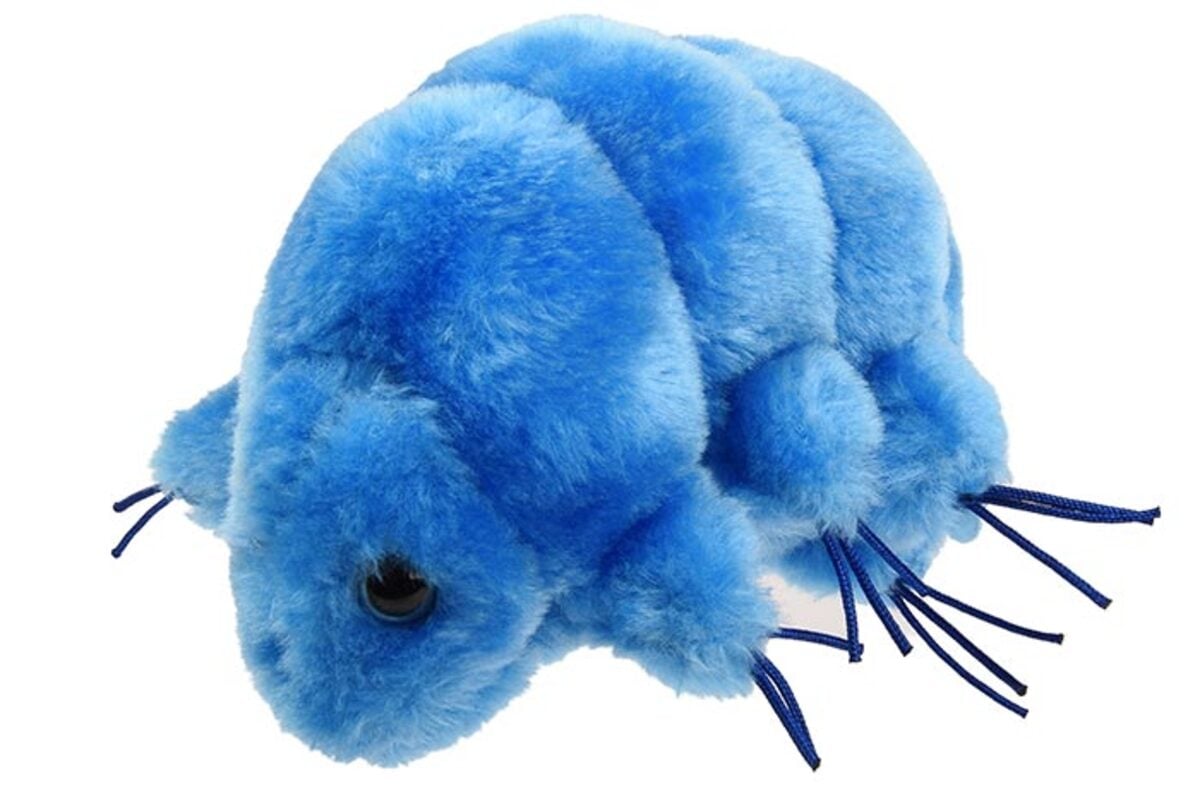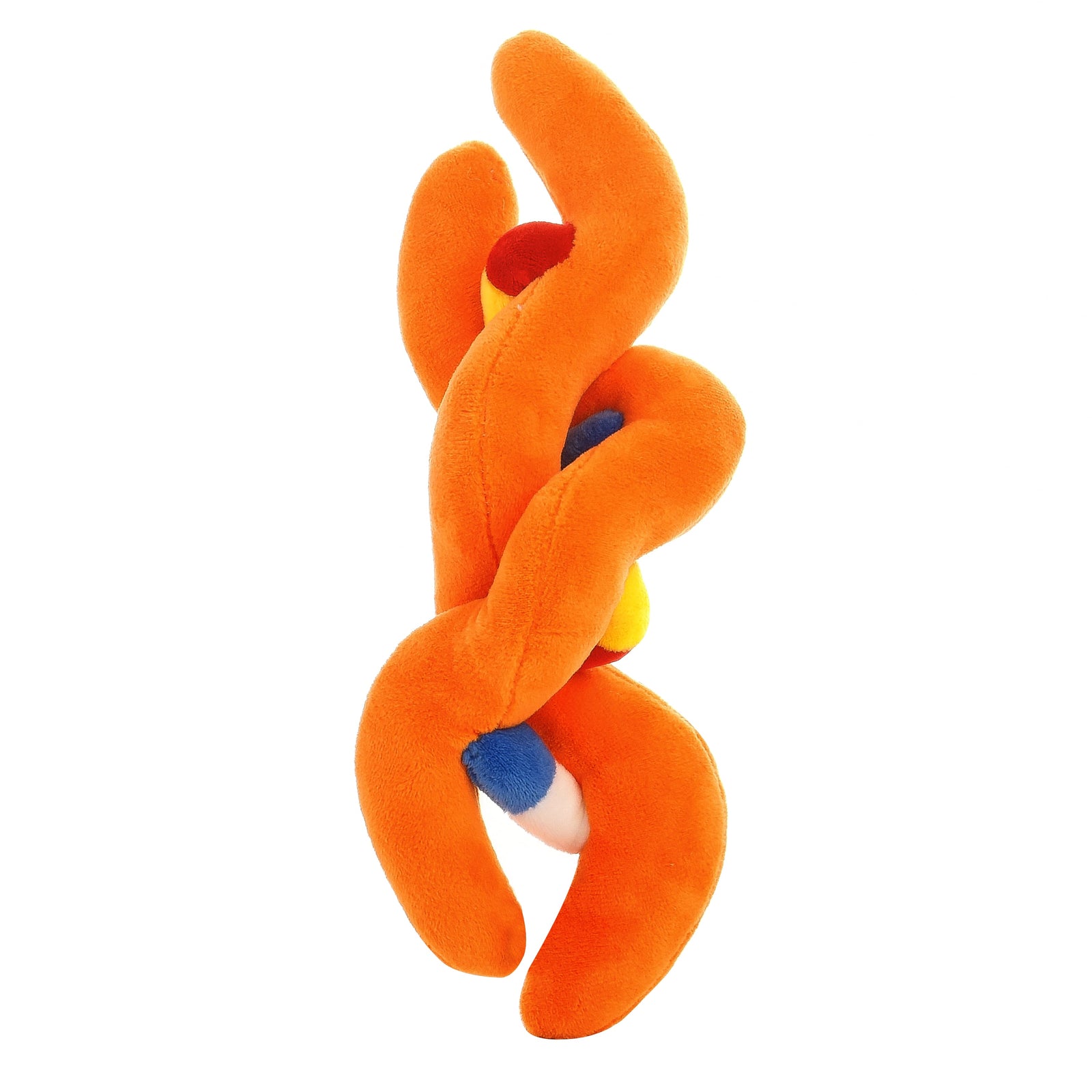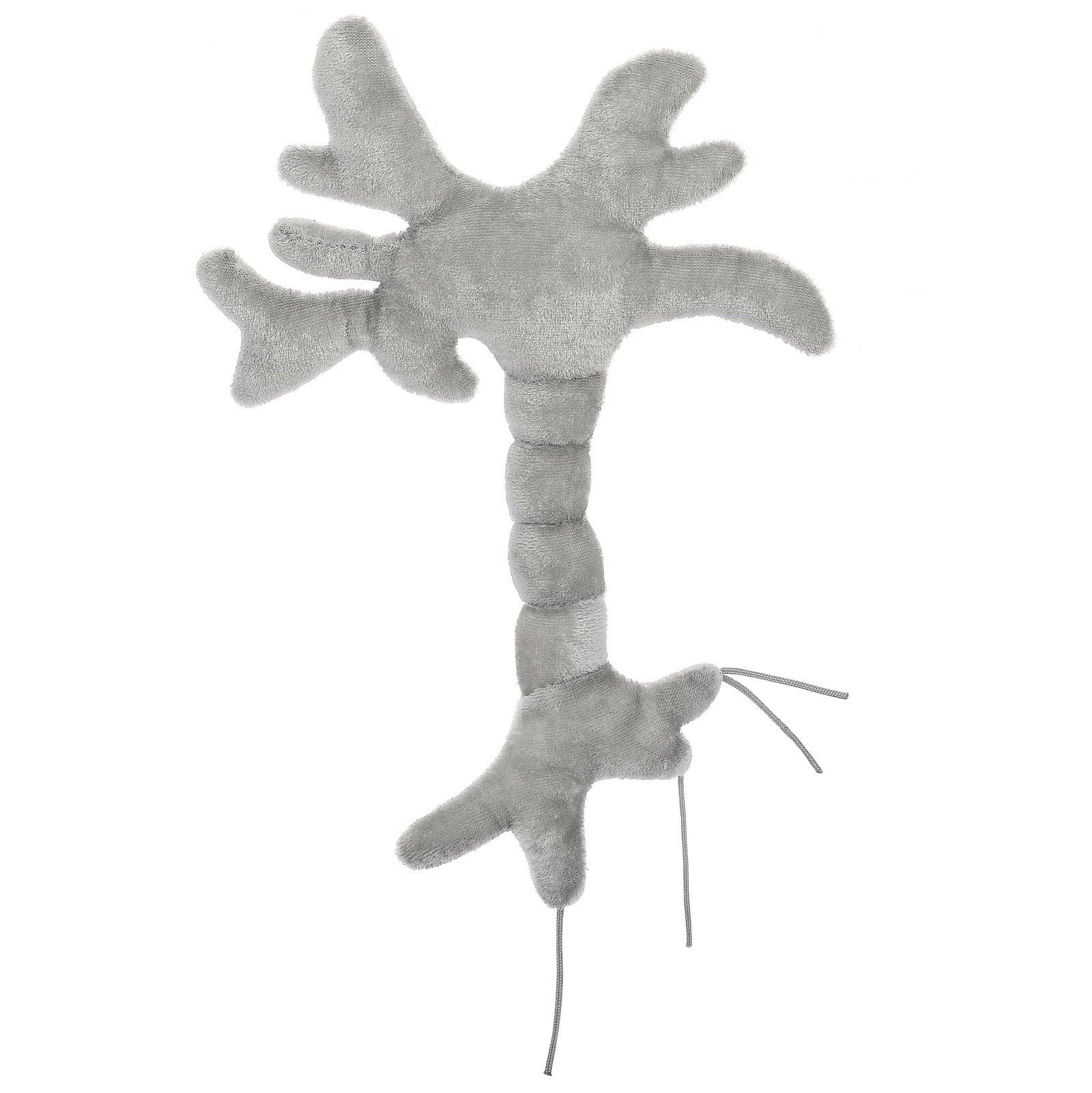
Adorable, anatomically inspired plush toys from GIANTmicrobes. Each one is modeled after a real cell, organism, or molecule. Perfect science gifts for biologists, students, researchers, and educators.
Every delivery’s carbon footprint is calculated based on weight, shipping method, and distance traveled. We neutralize these emissions by purchasing verified carbon removal credits from groundbreaking projects.
With your purchase, you’ll join a community of proactive merchants and customers dedicated to a sustainable future. Together, we've removed emissions for over 84 million deliveries and removed over 58 thousand tonnes of carbon.
We work with a network of pioneering carbon removal companies that have been vetted by the commerce platform Shopify.
They're compact, generally in the 6-inch range, designed as tabletop or shelf companions rather than full-size stuffed animals. Despite depicting things too small to see with the naked eye, from a tardigrade to a strand of DNA, GIANTmicrobes plush are scaled up roughly a million times so you can actually hold one.
Based on materials and construction, all GIANTmicrobes plush meet or exceed U.S. and European toy safety standards and are rated for ages 3 and up. That said, we'd encourage you to consider the subject of each design when buying for a child, since safety and subject matter are two different things.
DNA, Brain Cell (Neuron), Mitochondria, Antibody, Water Bear (Tardigrade), and White Lab Mouse are great starting points. They introduce basic biology concepts, cells, genetics, the immune system, and one seriously tough microscopic animal, without requiring any background in disease or medicine.
No, they're surface washable only: sponge with water and mild soap, then air dry. Skip the washing machine.
Every one comes with a printed educational card describing real facts about the microbe, cell, or molecule it's modeled after, so it doubles as a small science lesson, not just a novelty toy.
The designs are based on real biology, modeled after how each organism, cell, or molecule actually looks under magnification (electron micrographs, in most cases), though colors are chosen for the toy rather than to match true biological coloring, since most of these things have no visible color at that scale to begin with.