15 Best Gifts for Materials Scientists & Engineers (in 2026)
Last updated: June 21st, 2026
Quick Answer:
The Pocket Scientist is the most field-specific carry gift: a wallet-sized physics and chemistry reference with the periodic table front and center. The Heritage Periodic Table (83 real element embedments) and the SR-71 Blackbird Titanium display are the standout hero-tier gifts for the materials scientist who'd appreciate a serious desk or wall piece. For books, Stuff Matters by Mark Miodownik is the best read for any level, and Elements by Theodore Gray is the best visual companion. Find the links to my favorites below.
You're probably thinking "What the heck is Materials Science and Engineering?" I spent 9 years getting my degrees in MSE so I have a pretty good idea what my classmates and I loved to nerd out about. They tend to want things that are practical yet unique and a little nerdy...So I wanted to assemble what I think are the best gift ideas for a materials scientist or materials engineer (roughly the same thing). This collection will show them that you understand their love of materials and support them in their passions.
This list is a compilation of my favorites from around the internet. Some are our own Genius Lab Gear inventions and some we're just jealous we didn't think of first! Some external links in this page are from affiliates, which means that any purchase of the items after clicking the link will result in a small monetary referral fee paid back to Genius Lab Gear at no cost to you. We appreciate your support which allows us to continue inventing and testing the best tools for scientists on the planet!
All 15 Gifts for Materials Scientists & Engineers at a Glance
- The Pocket Scientist - Wallet Multitool and Physics/Chemistry Reference
- rOtring Mechanical Pencil and Stylus
- Elements: A Visual Exploration of Every Known Atom in the Universe
- Theodore Gray Classroom Periodic Table Posters
- New 100% Cotton Lab Coats Designed for Scientists
- Pocket Protector for Lab Coats
- Ion: A Compound Building Game
- Real Meteorite Pendant Necklace
- Damascus Steel All-Purpose Chef's Knife (Visible Metallic Grain Patterns)
- Set of 4 Agate Crystal Coasters
- Stuff Matters: Exploring the Marvelous Materials That Shape Our Man-Made World
- Periodic Card Game
- Heritage Periodic Table (83 Element Embedments)
- Element Cube Collector Set
- SR-71 Blackbird Titanium (with Jet Blueprint)
1. The Pocket Scientist - Wallet Multitool and Physics/Chemistry Reference
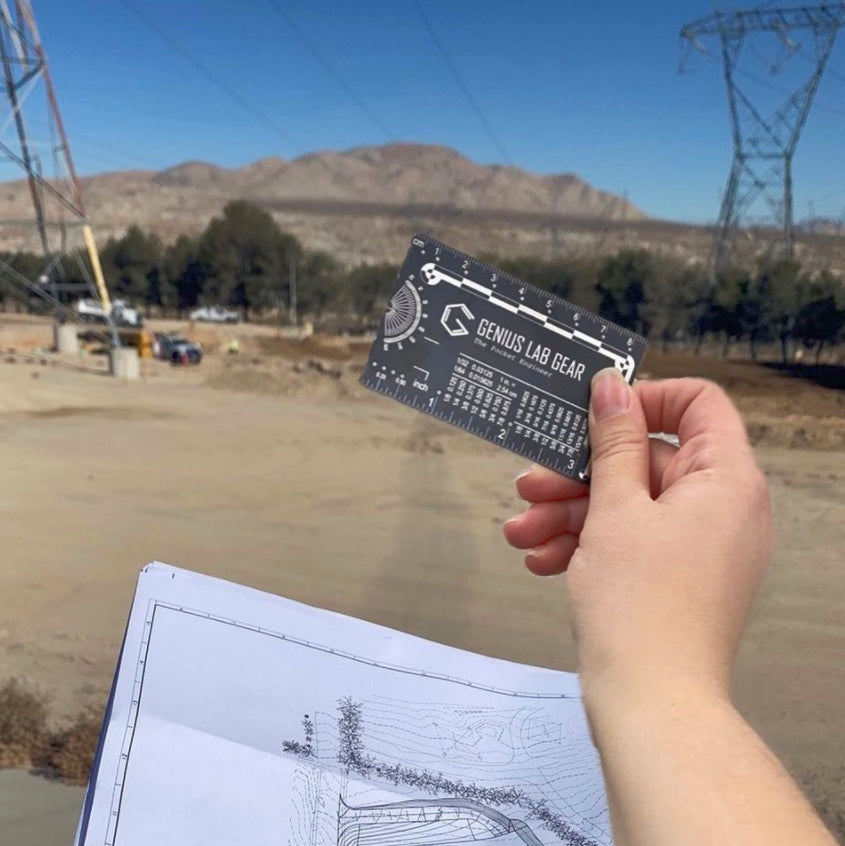
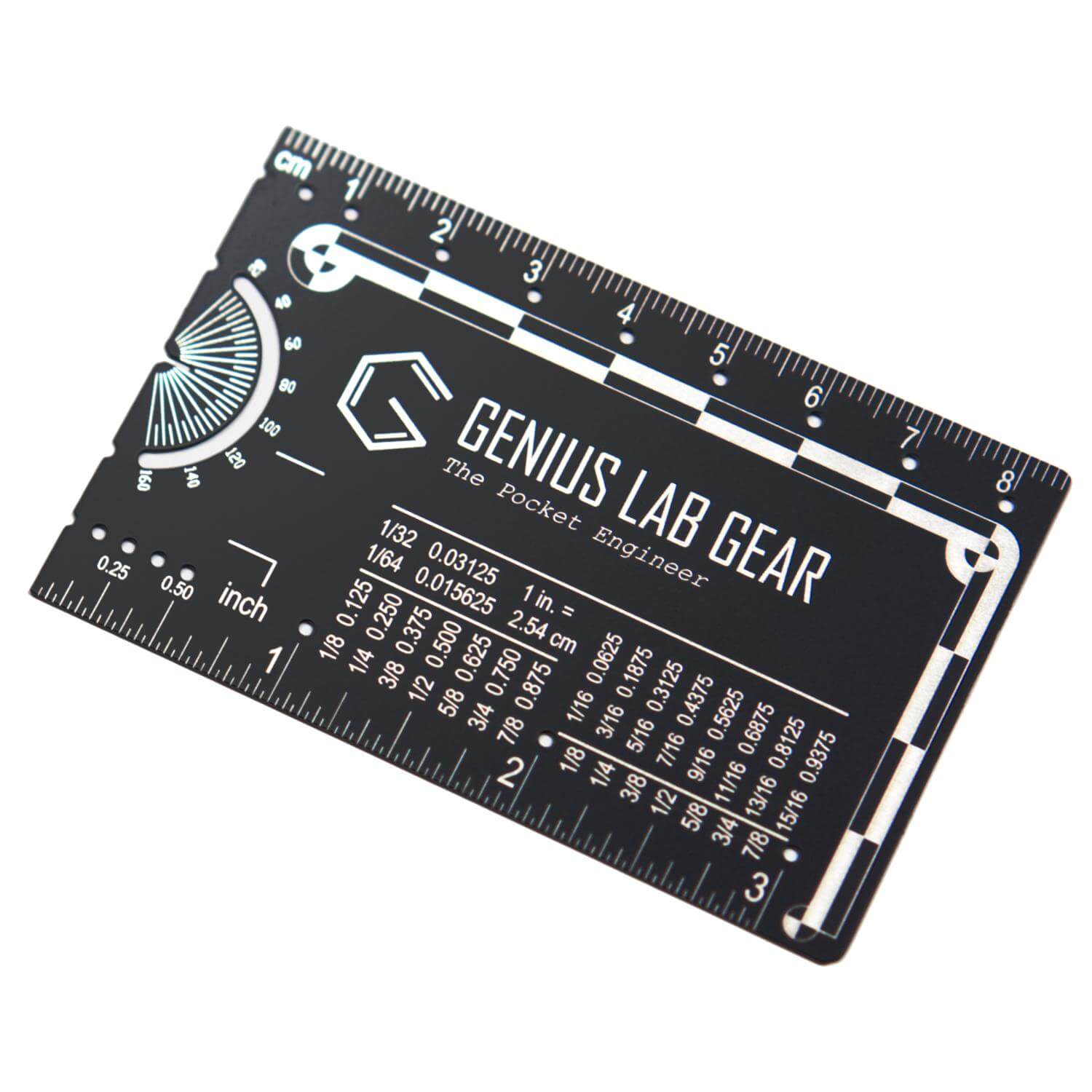
Materials scientists and engineers live and die by the periodic table. It's the most essential thing for them to learn in the first year. That's why it's front and center on The Pocket Scientist - a 3" pocket tool that doubles as a handy reference of chemistry, physics and engineering equations that materials majors will use constantly.
This makes a great stocking stuffer or last minute add-on at around $13, and is something an MSE major would use almost daily in their lab and homework. I keep mine in my wallet at all times!
You can get it here on Amazon. It's also available directly from our website here.

2. rOtring Mechanical Pencil and Stylus
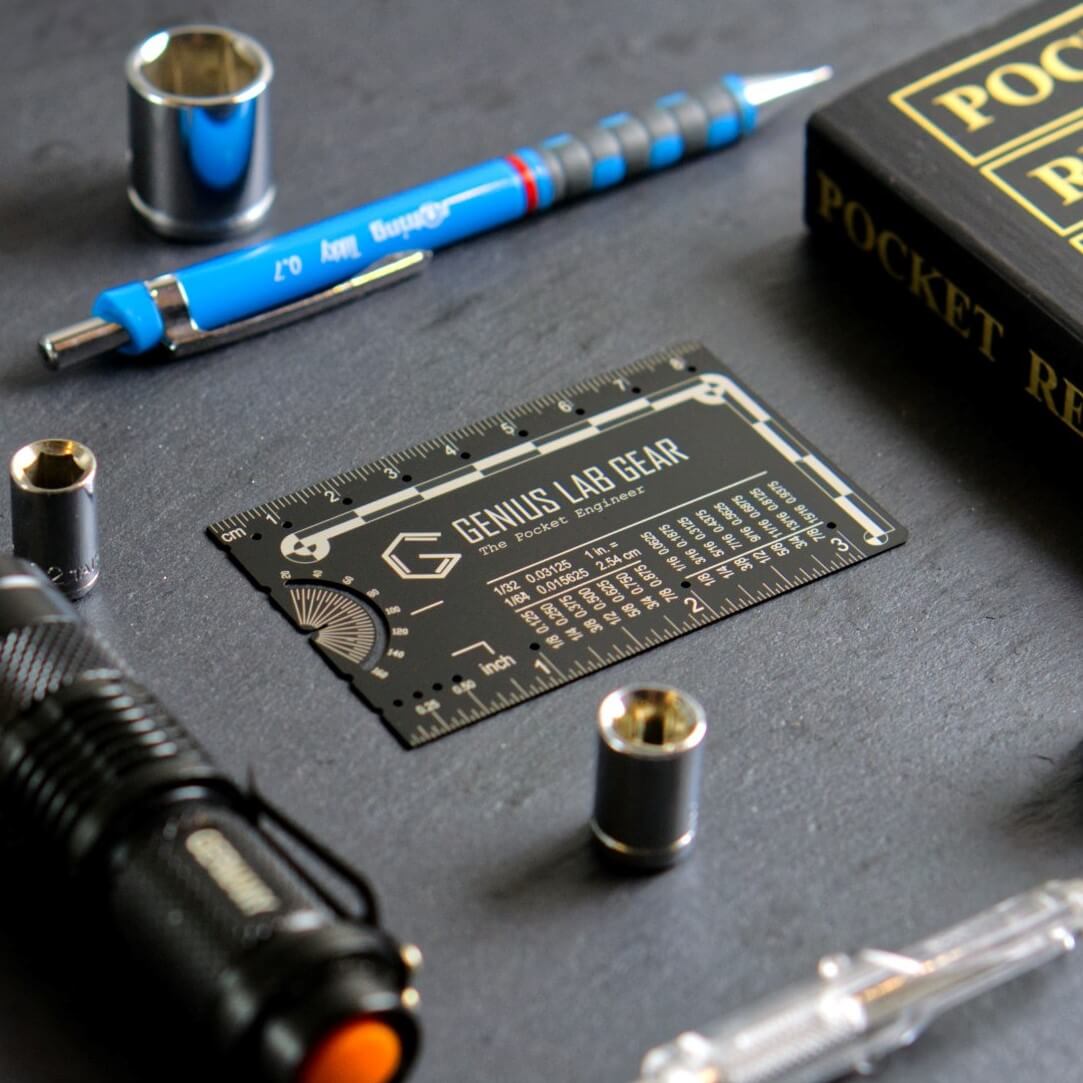
Like I mentioned above, materials science involves a lot of note-taking, sketching of unit cell structures, and labeling of things in the lab. Some of the equipment we use also involves touch screens. That's why I personally use this high-end rOtring mechanical pencil with a stylus end. It gives me super precise sketches but I can quickly flip it over and use the stylus on a tablet or touch screen equipment. Because it's made of metal and refillable, this is one gift that a materials engineer can use for decades.

Check the price on Amazon.
3. Elements: A Visual Exploration of Every Known Atom in the Universe
At its heart, materials science is all about the elements of the Periodic Table and how they behave in both pure forms and different mixtures. From one of my favorite science communicators Theodore Gray, Elements kicks off a 3-book series about the building blocks of our universe and the mechanisms that form everything.
The first book sets out to show elements in their most natural and pure form, and to make them feel more tangible than the concept of an atom. I love the amazing photography and the creativity involved in photographing elements which can sometimes be rare or elusive. It's a fun coffee table read for any MSE major or professional materials scientist.

Check the price on Amazon.
4. Theodore Gray Classroom Periodic Table Posters
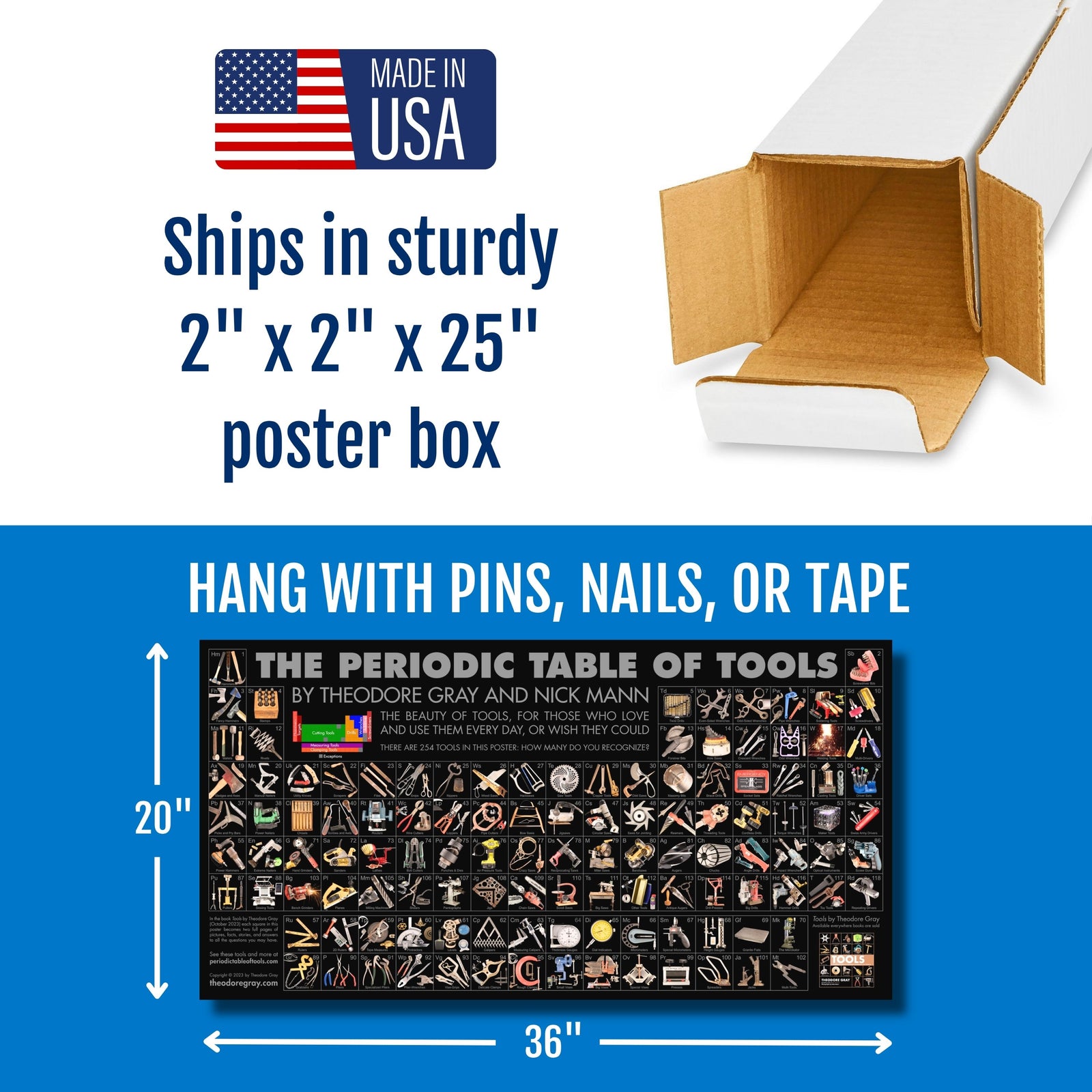
Materials scientists are some of the most attentive periodic-table readers in the building, and a real photographic poster lands harder for them than for almost anyone else. These posters, by Theodore Gray (an element collector and the author of one of the better element references in print), use real photographs of each element rather than generic icons. They come in a 53 by 27 inch version for a lab or office wall and a 40 by 20 inch version for a smaller space. A reliable wall piece for the materials scientist who'd actually use a real reference.

Large Classroom Periodic Table Poster (53x27) at Genius Lab Gear | Classroom Periodic Table Poster (40x20) at Genius Lab Gear
5. New 100% Cotton Lab Coats designed for Scientists
Most materials scientists I know wear lab coats daily. And most of them hate their lab coats. That's why we spent 3 years designing and modifying a lab coat that scientists love! Released in 2024, the Louis and Curie lab coats are consistently reviewed as "the best lab coat I've ever had".
Materials scientists tend to love the tapered knit cuffs which are especially important for protecting wrists from chemicals and keeping clunky oversized cuffs from knocking over expensive glassware. We also made sure to use 100% cotton, which is both breathable and preferred in environments around heat or flames (like metallurgy and ceramics processing equipment). The two versions are tailored to fit male and female builds differently, with a wide size range and adjustable belt so scientists can finally feel great in their lab coat at work.
This is one to clue them in about beforehand so you can get the sizing right and make sure it meets their lab safety requirements! Or, you can grab a refundable $75 gift card to let them grab their own lab coat plus a pocket protector.

6. Pocket Protector for Lab Coats
The main job of a materials scientist/engineer involves mixing chemicals, powders, or maintaining equipment that helps synthesize new materials. This involves lots of small, specific utensils and heavy labeling and note-taking.
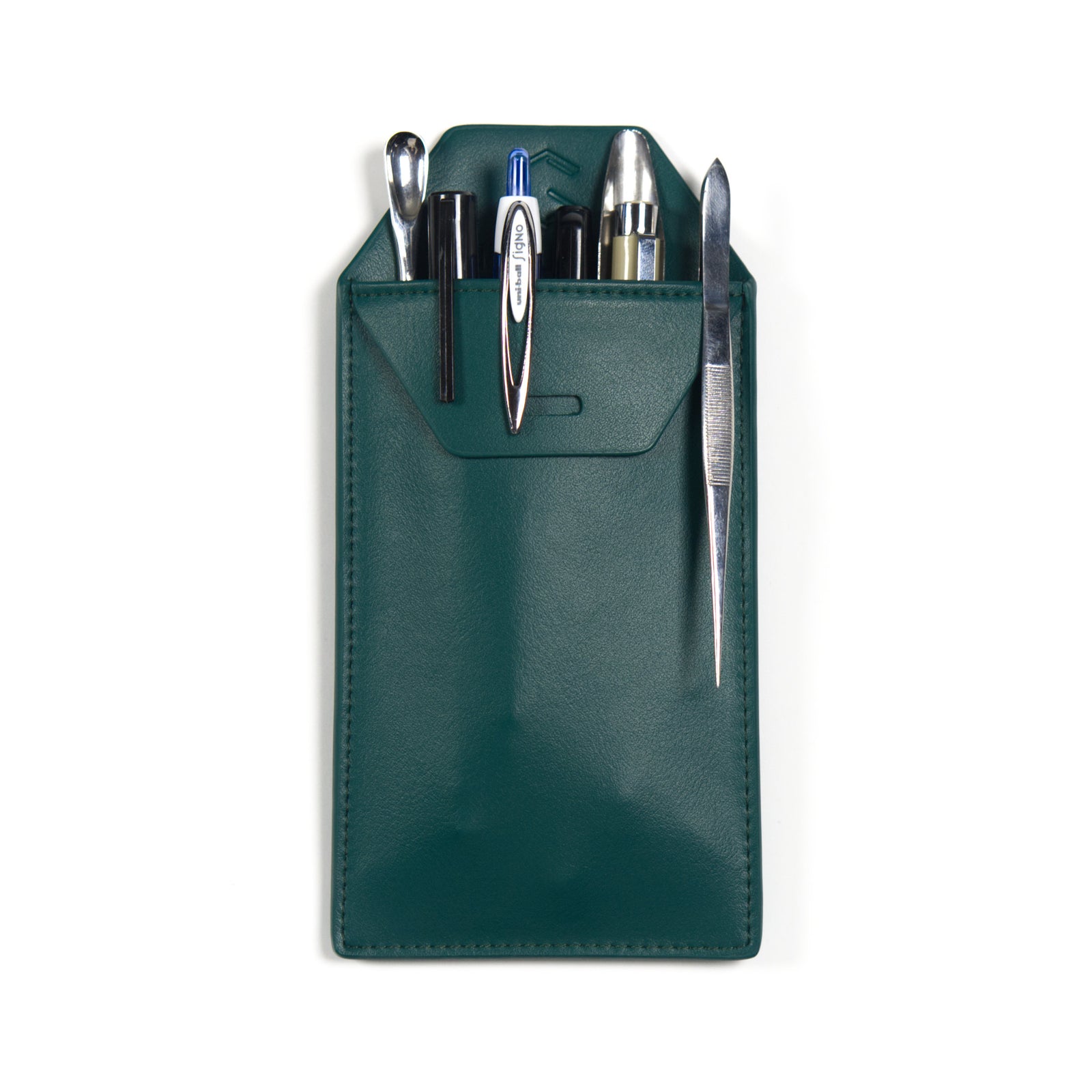
In my materials lab, having a pocket protector was essential for keeping my markers, pens, favorite tweezers, spatulas, and top 2 or 3 hex wrenches at hand for whatever work came next. That's why I took my previous experience to design a new and improved pocket protector that perfectly fits our new lab coats and can hold 10-15 utensils at a time!

Check price on Amazon.
7. Ion: A Compound Building Game
From the same makers of the original "Covalence" board game, this 2nd edition of Ion has some gameplay improvements! We've had a ton of fun nerding out on this game in the office. It's a card-based deck-building game for 2-7 players and in our experience you should give it about 30 minutes per game.
Basically, you collect cards that match up and build compounds that are compatible based on their charges - similar to how a materials scientist would synthesize inorganic materials from basic raw materials. I recommend it as a perfect pick for a lunch break grad student office or as a fun way for materials engineers to get their kids interested in their same passions.

Check the price on Amazon.
8. Real meteorite pendant necklace
This one is very cool. As a materials scientist, my favorite thing about astrophysics is the grain structure that develops in meteors as they slowly cool over millions of years in space. Astrophysicists often study these patterns to figure out how old certain rocks are, and where they came from.
This jewelry brand RTZN has a line of real meteorite pendant necklaces that are sharp but add a subtle nerdy touch that any astrophysicist would love to tell their friends about.

Check the price on Amazon.
9. Damascus Steel All-Purpose Chef's Knife (Visible Metallic Grain Patterns)
Most materials engineering majors or metallurgical engineers learn about Damascus Steel early on in their classes. It's an ancient metalworking technique that involves folding red-hot steel over itself like pastry dough - dozens of times.
The rich grain pattern on this chef's knife you see in the photo is visible evidence of the metallurgical concepts of grain refinement and work hardening - which makes for an incredibly sharp and hard knife. They will geek out over the grain pattern on this and it's a great starter all-purpose knife for someone who wants to start cooking at home a little more.

Check the price on Amazon.
10. Set of 4 Agate Crystal Coasters
Although materials science lovers aren't geologists, we still geek out over the beauty of natural crystals. One of my old MSE professors even has a rare minerals collection worth tens of thousands of dollars! So usually, any gift that celebrates the natural symmetry and shape of crystals can be a fantastic gift.
This set of 4 agate crystal coasters is a classy but low-key way to add a touch of nerdiness to decorating a materials science major's apartment or as a housewarming gift.

Check the price on Amazon.
11. Stuff Matters: Exploring the Marvelous Materials That Shape Our Man-Made World
Materials are all around us but most people don't give them a second thought until they break. In Stuff Matters, a popular BBC presenter and Materials Science Professor breaks down the fun facts that will blow your mind about the materials around us.
A budding young materials engineering major would love this book since it reinforces their decision to choose this field and will inspire them to keep going. It also gives a more advanced professional lots of concrete examples they can use to win over their friends and family that what they do is actually important. ;)

Check the price on Amazon.
12. Periodic Card Game
I'm recommending Periodic specifically for the materials scientist who already has a favorite element they can talk about for an hour. It's a strategy board game from Genius Games where you move across the actual periodic table, using atomic trends like radius and mass to claim element sets. Mensa Recommended, designed with input from working scientists. A satisfying pick for the materials scientist on your list who keeps a copy of the table on their wall and wants something to do with it on a slow Sunday.

13. Heritage Periodic Table (83 Element Embedments)
Materials scientists are some of the most loyal element-loyalists I know, which makes the Heritage Periodic Table feel a little like a portrait gallery of their reagents. It's a handmade acrylic display with 83 real element samples, including alkalis, gases, and halogens sealed in micro glass ampules within the acrylic. Several samples are themselves materials-science talking points: ferrous meteorite for iron, native gray diamonds for carbon, native sulfur crystals, pure europium ampules. Only the heavy radioactives past uranium are absent. A serious hero-tier gift for the materials scientist who'd appreciate a wall-mounted reference that goes deeper than a poster.

Heritage Periodic Table at Genius Lab Gear
14. Element Cube Collector Set
Most materials scientists I know have a favorite element they've worked with for years, and the rest of us are just borrowing their opinions. These three cubes are a nice cross-section of what materials people actually care about: a metalloid, a metal that runs every chip you own, and the rare semiconductor element nobody can pronounce on the first try. Each is sealed in clear acrylic, sized for a desk corner.
Three are especially worth gifting:
- Bismuth Element Cube: The rainbow one. The iridescent purple-and-gold colors come from a thin oxide layer on the metal, which is exactly the kind of surface chemistry a materials scientist enjoys talking about unprompted.
- Silicon Element Cube: The gray crystal that runs every chip in the building. Useful as a reminder of what most of modern engineering is built on.
- Tellurium Element Cube: A rare metalloid you almost never see in solid form, with a silvery sheen and surprising heft. Tellurium shows up in solar cells and thermoelectrics, and its name is still fun to say.
Pick the one they've actually published about, or grab all three for a desk that lines up with their job description.

Bismuth Element Cube at Genius Lab Gear | Silicon Element Cube at Genius Lab Gear | Tellurium Element Cube at Genius Lab Gear
15. SR-71 Blackbird Titanium (with Jet Blueprint)
I'm recommending this piece specifically for the materials scientist who has both an opinion about titanium and a strong opinion about the SR-71. It's a real titanium fragment from a Lockheed SR-71 Blackbird, mounted with the original jet blueprint, framed and ready for a wall. The Blackbird was 85 percent titanium by weight (sourced, famously, from the Soviet Union via shell companies), which makes the material itself part of the Cold War story. A genuine engineering relic, not a replica. A satisfying hero-tier gift for the metallurgy nerd on your list.

SR-71 Blackbird Titanium at Genius Lab Gear
Frequently Asked Questions
What is the best gift for a materials scientist or materials engineer?
The Pocket Scientist from Genius Lab Gear is the most field-specific carry gift: a wallet-sized physics and chemistry reference with the periodic table front and center that MSE students and professionals use daily. For display pieces, the Heritage Periodic Table with 83 real element embedments is the standout hero-tier gift, and the SR-71 Blackbird Titanium display is the best pick for the metallurgy-focused materials scientist on your list. For books, Stuff Matters by Mark Miodownik is the most accessible read for any level, and Elements by Theodore Gray is the best visual companion to either.
What are the best books for a materials scientist?
Two books on this list stand out. Stuff Matters: Exploring the Marvelous Materials That Shape Our Man-Made World by Mark Miodownik (BBC presenter and Materials Science Professor) is the best read for anyone from a first-year MSE student to a career professional: it reinforces why the field matters and gives you concrete examples you can explain to anyone. Elements: A Visual Exploration of Every Known Atom in the Universe by Theodore Gray is the best visual companion, using real photography to make elements feel tangible rather than abstract. For a pairing, Genius Lab Gear carries the matching photographic periodic table posters from the same author.
What are the best display or desk gifts for a materials scientist?
Three pieces on this list are worth knowing about. The Heritage Periodic Table from Genius Lab Gear is the most comprehensive: 83 real element samples, including alkalis, gases, and halogens sealed in micro glass ampules in a handmade acrylic display. The Element Cube Collector Set (Bismuth, Silicon, and Tellurium) gives them the elements they actually work with in a desk-friendly format. The SR-71 Blackbird Titanium display is the best pick for materials scientists with a metallurgy focus: a real titanium fragment from a historically significant aircraft, mounted with the original jet blueprint. The Theodore Gray Classroom Periodic Table Poster and the Set of 4 Agate Crystal Coasters are the best lower-cost display options.
What are the best gifts for a materials science student?
For materials science students, the best gifts balance practicality with field identity. The Pocket Scientist from Genius Lab Gear is the most useful carry tool: a wallet-sized reference with the periodic table and key physics and chemistry equations for about $13. The rOtring Mechanical Pencil with Stylus is the best writing tool for students who sketch unit cell structures by hand and also work on touch screen lab equipment. The Ion card game is the best social gift for a grad student office: a card-drafting game where you build real inorganic compounds. The 100% Cotton Lab Coat from Genius Lab Gear is the best premium gift for MSE students who spend time in the lab, with tapered knit cuffs and 100% cotton construction for heat and chemical environments.
What are good materials science gifts under $30?
Several strong picks on this list fall under $30. The Pocket Scientist from Genius Lab Gear is the best under-$30 practical gift specific to materials scientists and MSE students. The rOtring Mechanical Pencil and Stylus is the best under-$30 tool for daily lab and homework use. The Set of 4 Agate Crystal Coasters is the best under-$30 display gift for a materials scientist's apartment or office. Elements by Theodore Gray and Stuff Matters by Mark Miodownik are both typically under $30 and the two best book options at that price point. The Ion card game is also typically under $30 and the best under-$30 social gift for a grad student group.
Most popular in Engineering
Pocket Engineering Tool
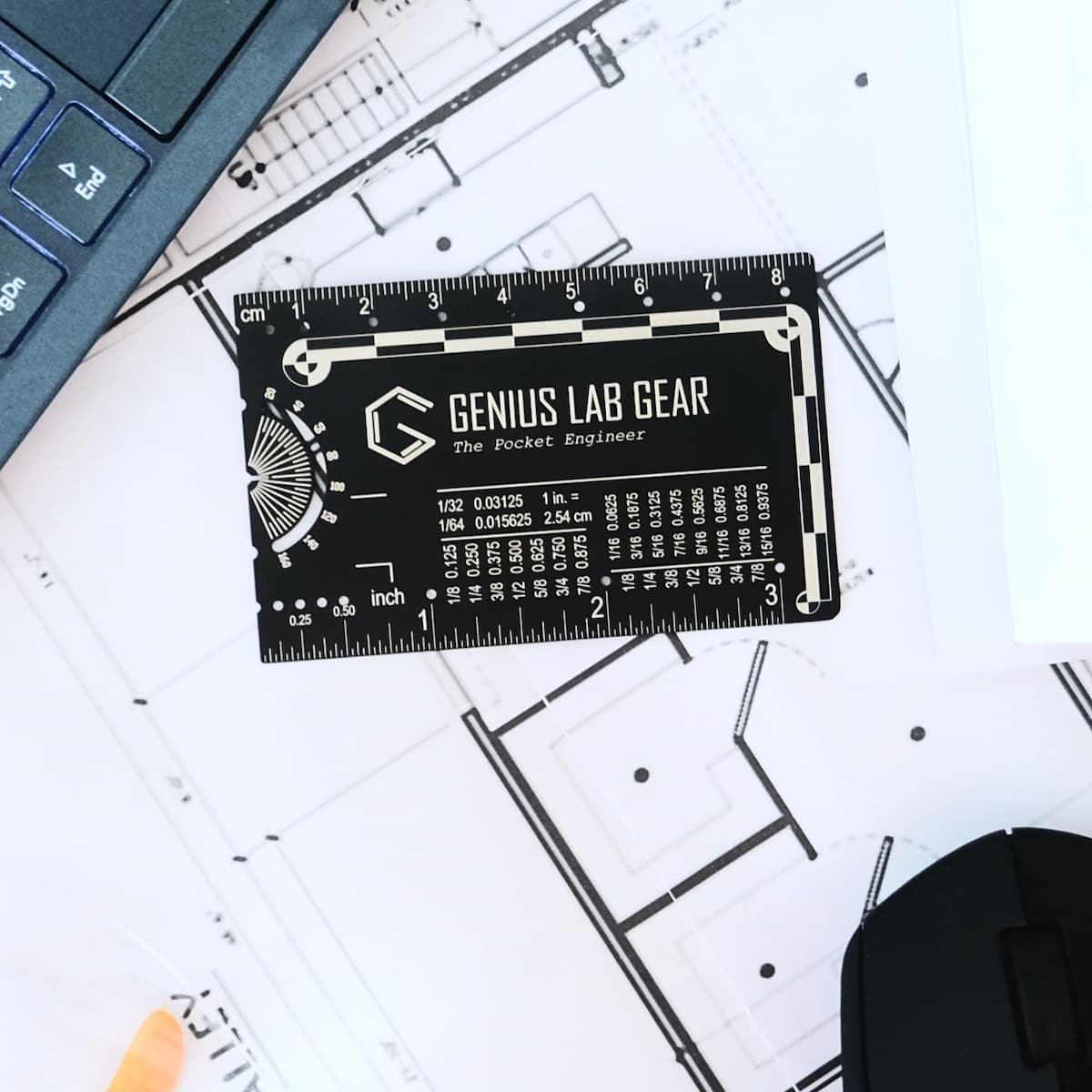
Keep your most-used unit conversions handy for quick calculations, and use the built-in ruler, compass and protractor to sketch out your best ideas. All in the size of a credit card.
Protect your shirt pocket
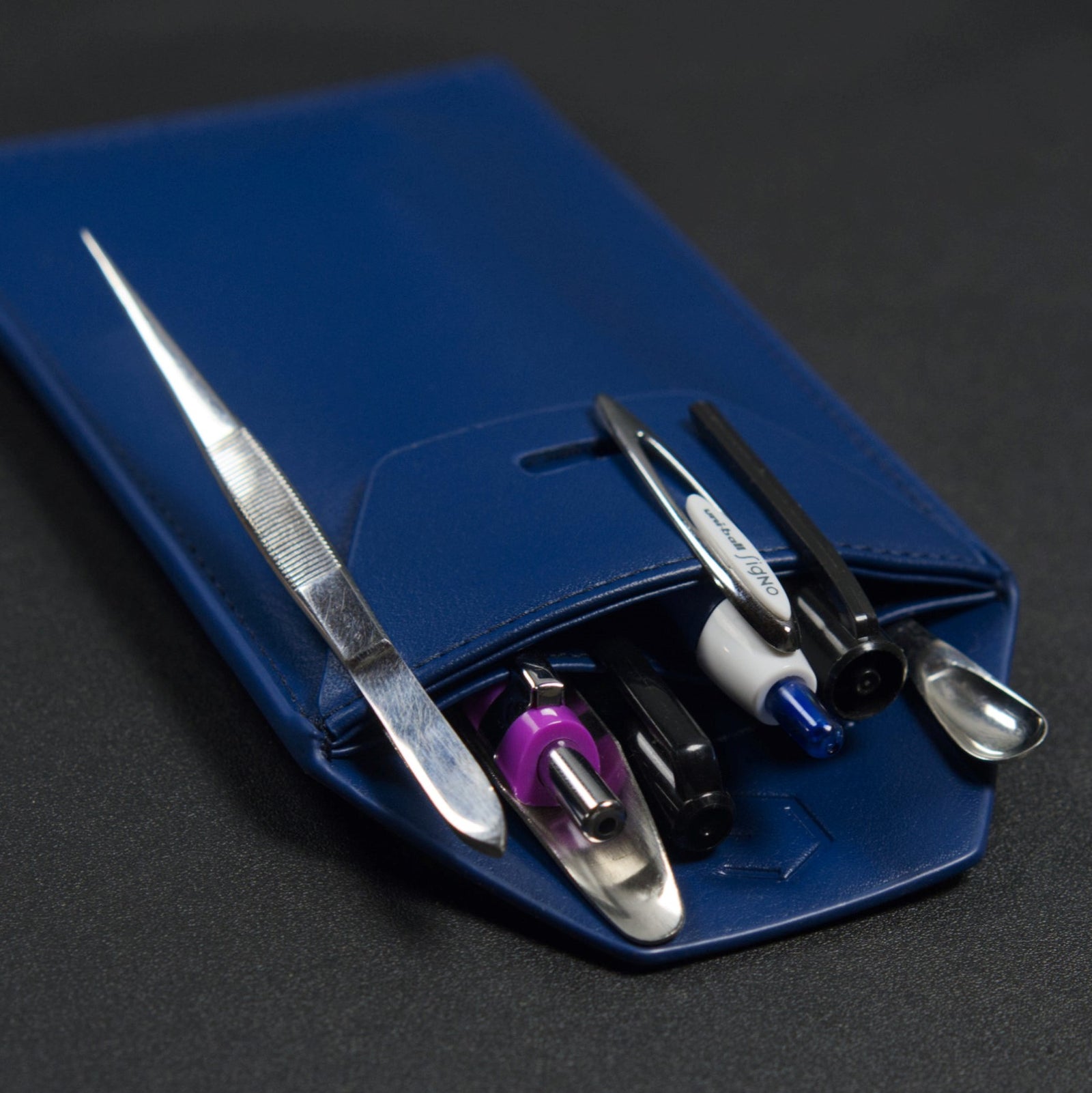
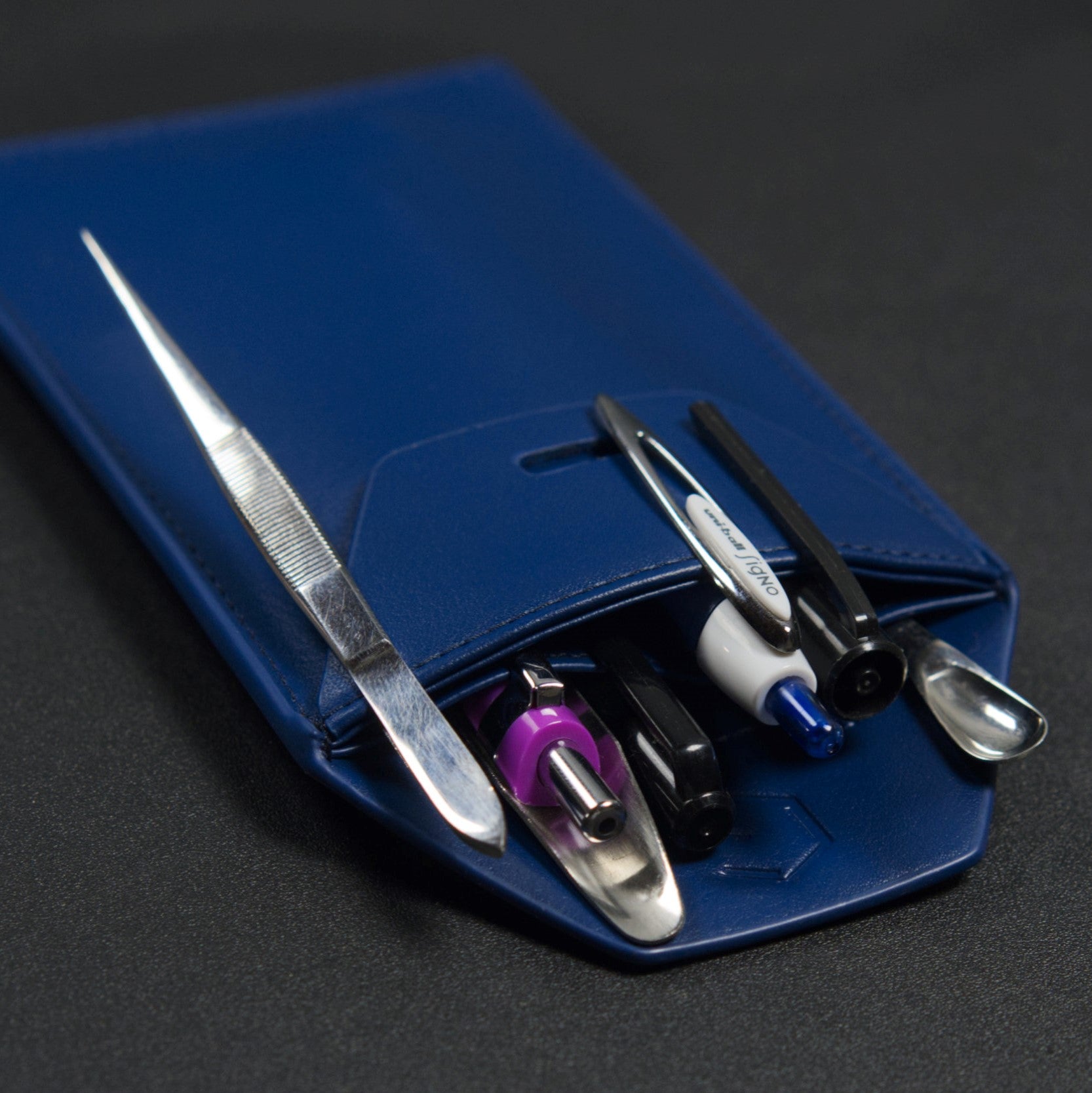
We're making pocket protectors cool again. Your shirt pocket is about to transform into a hub for all of your favorite pens, markers, and tiny machine tools, without wearing holes through the bottom.
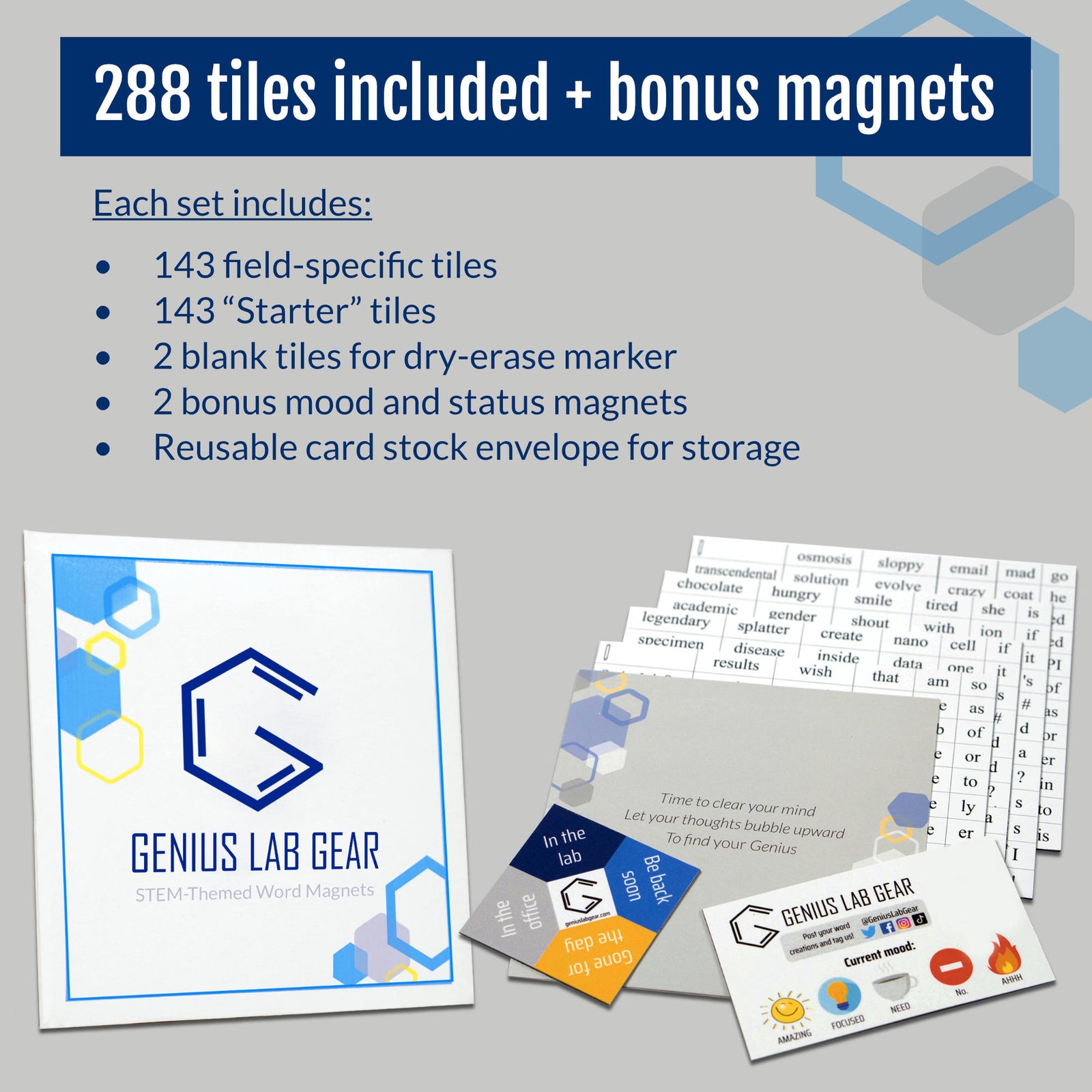
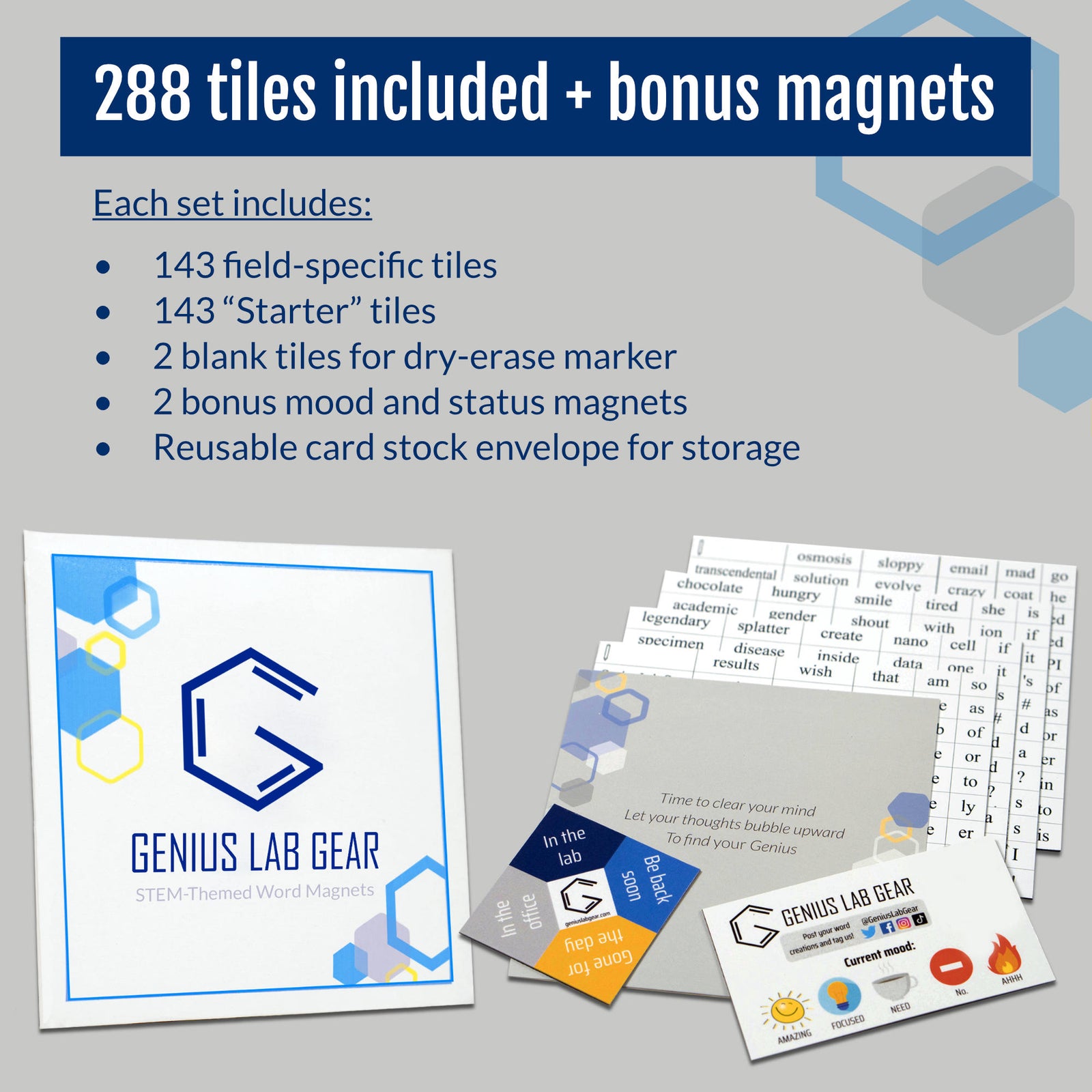
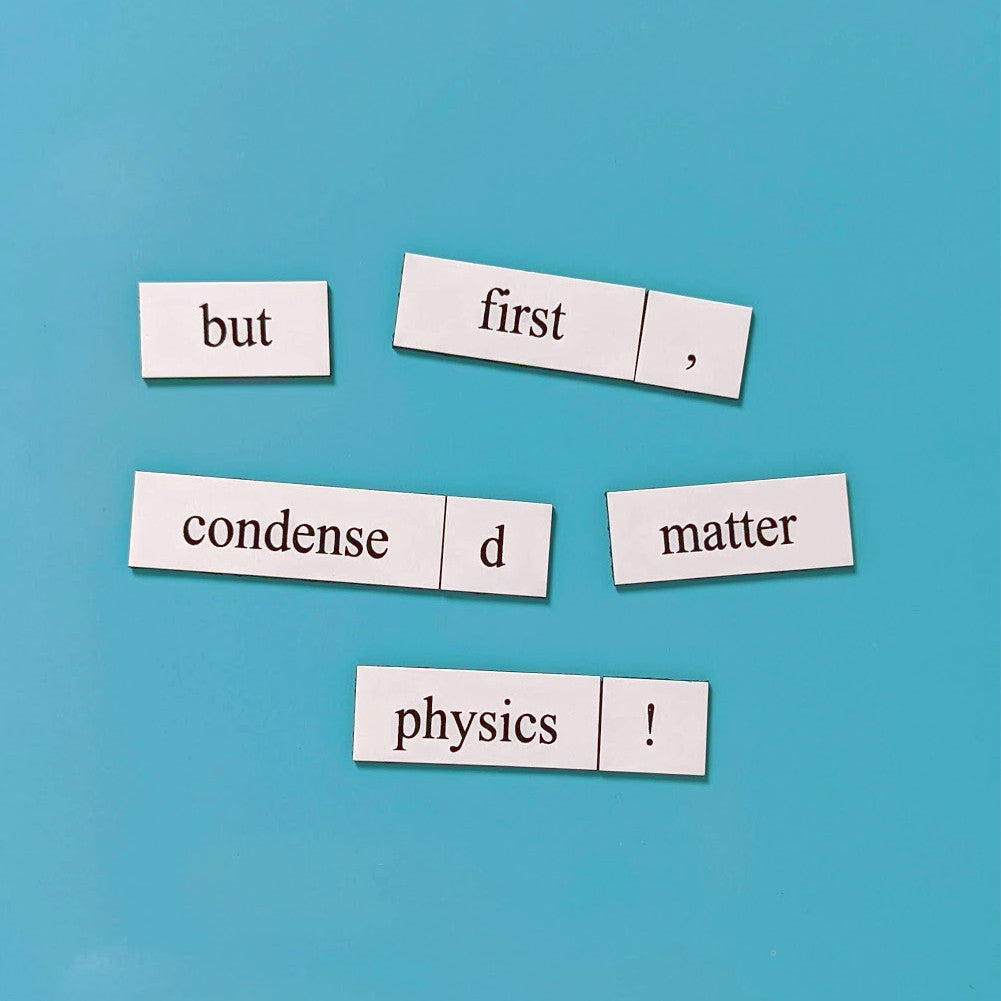
Engineer word magnets for office fun
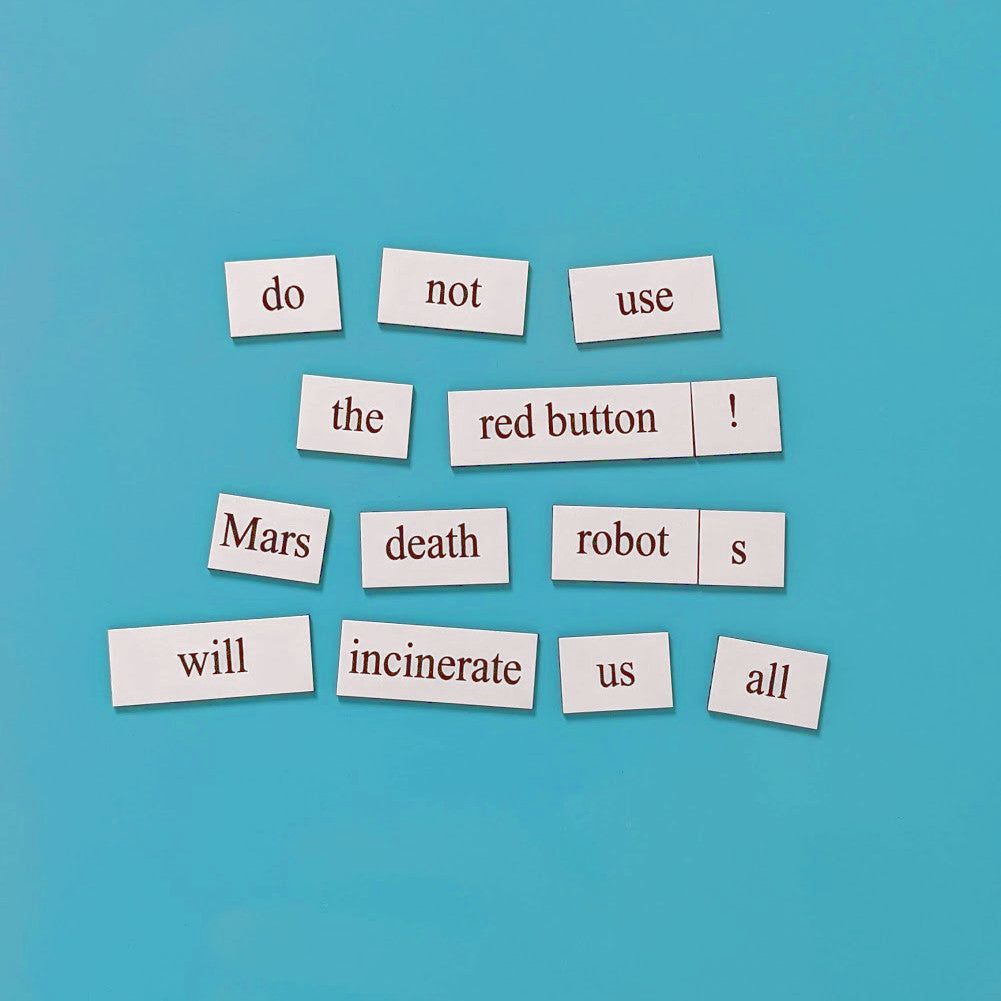
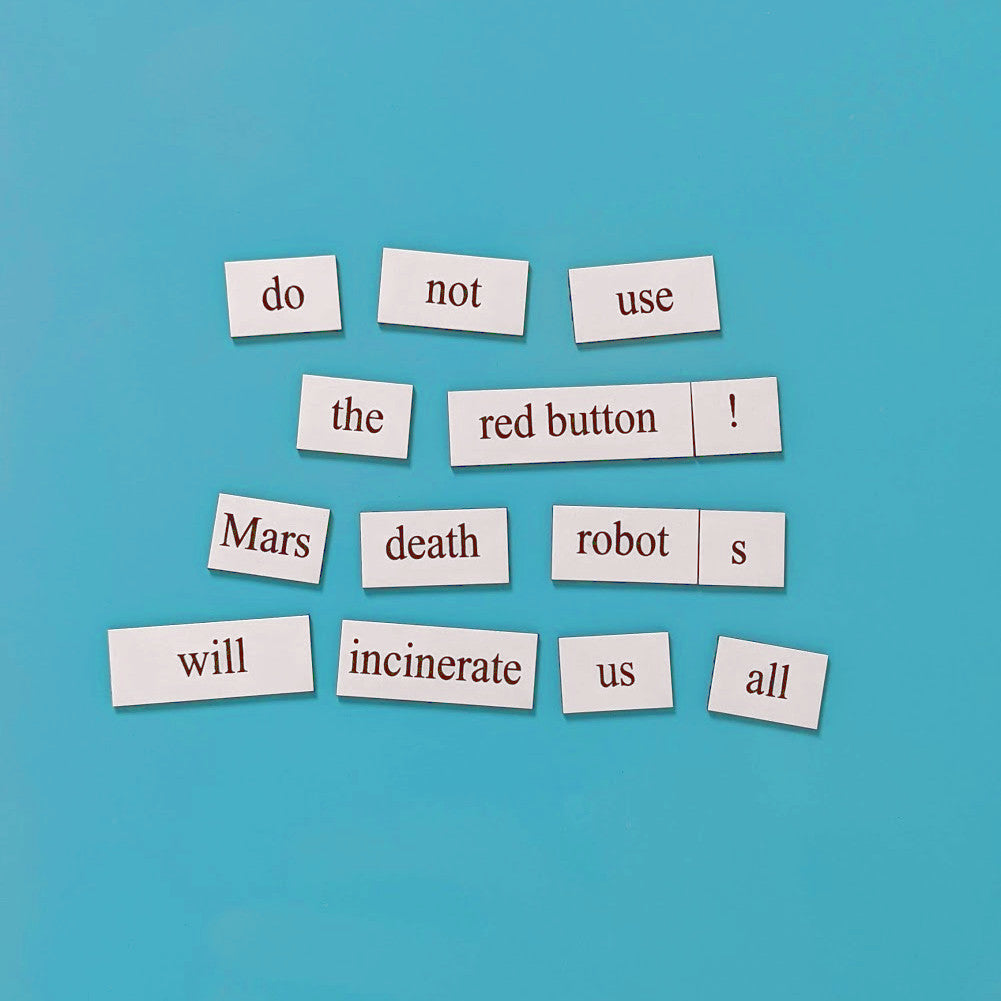
Leave a mysterious rant or engineering poem to your coworkers to keep them guessing. Or take a creative break to loosen up your brain for the next project. All you need is a magnetic surface.


How to Choose the Best Lab Coat for Women
Ninety-seven percent of women in our Lab Coat Project survey reported a fit problem with their lab coat. Not a color complaint, not a style gripe. A fit problem. This guide will show you how to choose the perfect lab coat, so you can focus on science, not adjusting your sleeves.


What Size Lab Coat Should You Get?
Most lab coats fit badly because people order their regular clothing size instead of measuring. Here's exactly how to measure your chest, waist, and hips, what to do if you land between sizes, and why the Louis and Curie fit so differently.


How to Stay Cool While Wearing a Lab Coat All Day
Stay comfortable during long days in the lab with practical, safety-conscious tips to reduce heat and sweat while wearing a lab coat. Learn what to wear, what to avoid, and how to stay cool without compromising protection.
Engineering Gifts Collection
Best-selling gifts for engineers of all types including Mechanical, Civil, Electrical, Aerospace, Chemical, Industrial, and Materials Science. These small items from $10-$50 make nerdy stocking stuffers for college engineering majors and professional engineers alike.
If you can't decide, just grab the engineer gift bundle to create a kit with a little of everything. From stickers, to Pocket Tool gadgets, to geeky word magnets and a retro pocket protector - this collection will be unique and win you that smile for their next birthday, graduation, or Christmas present.