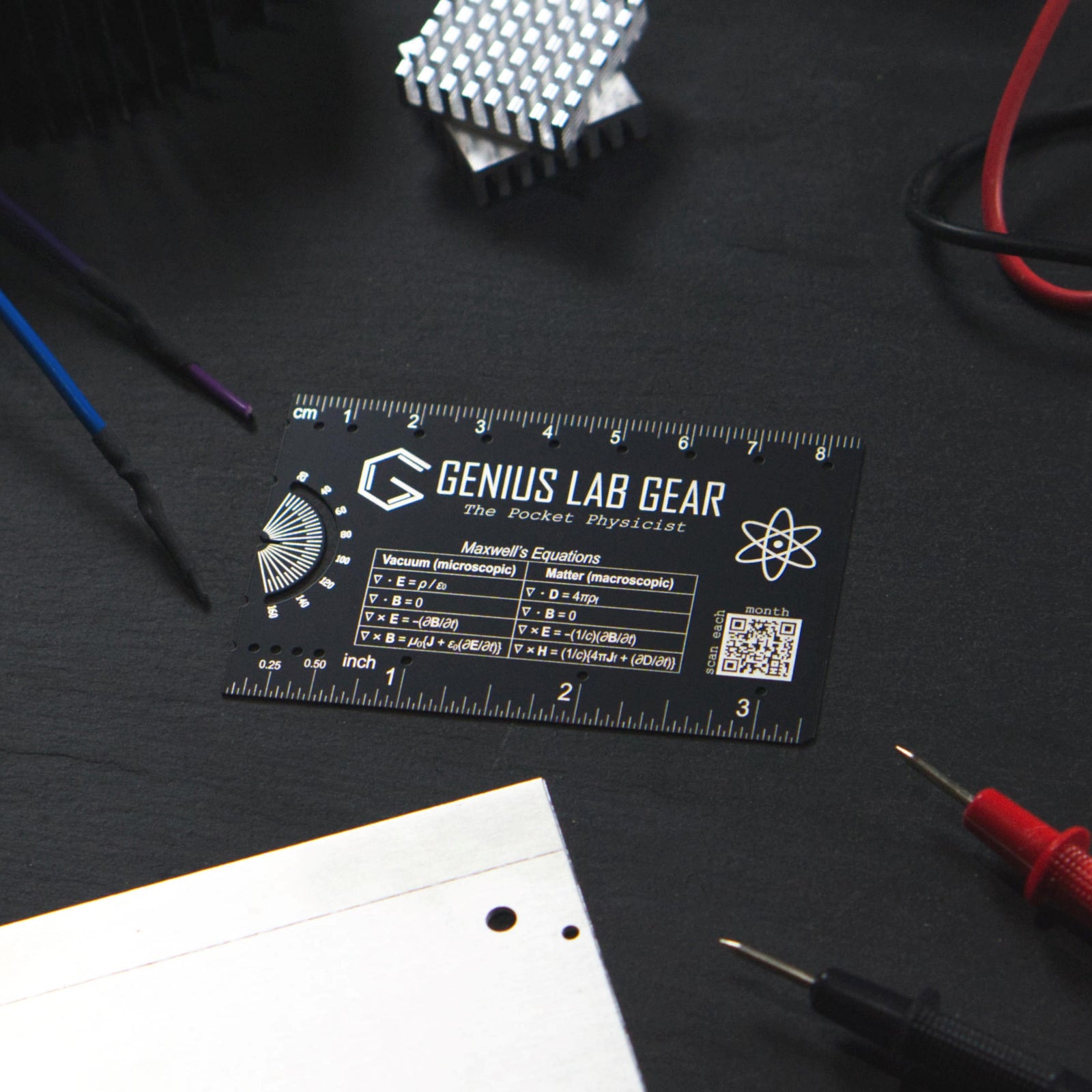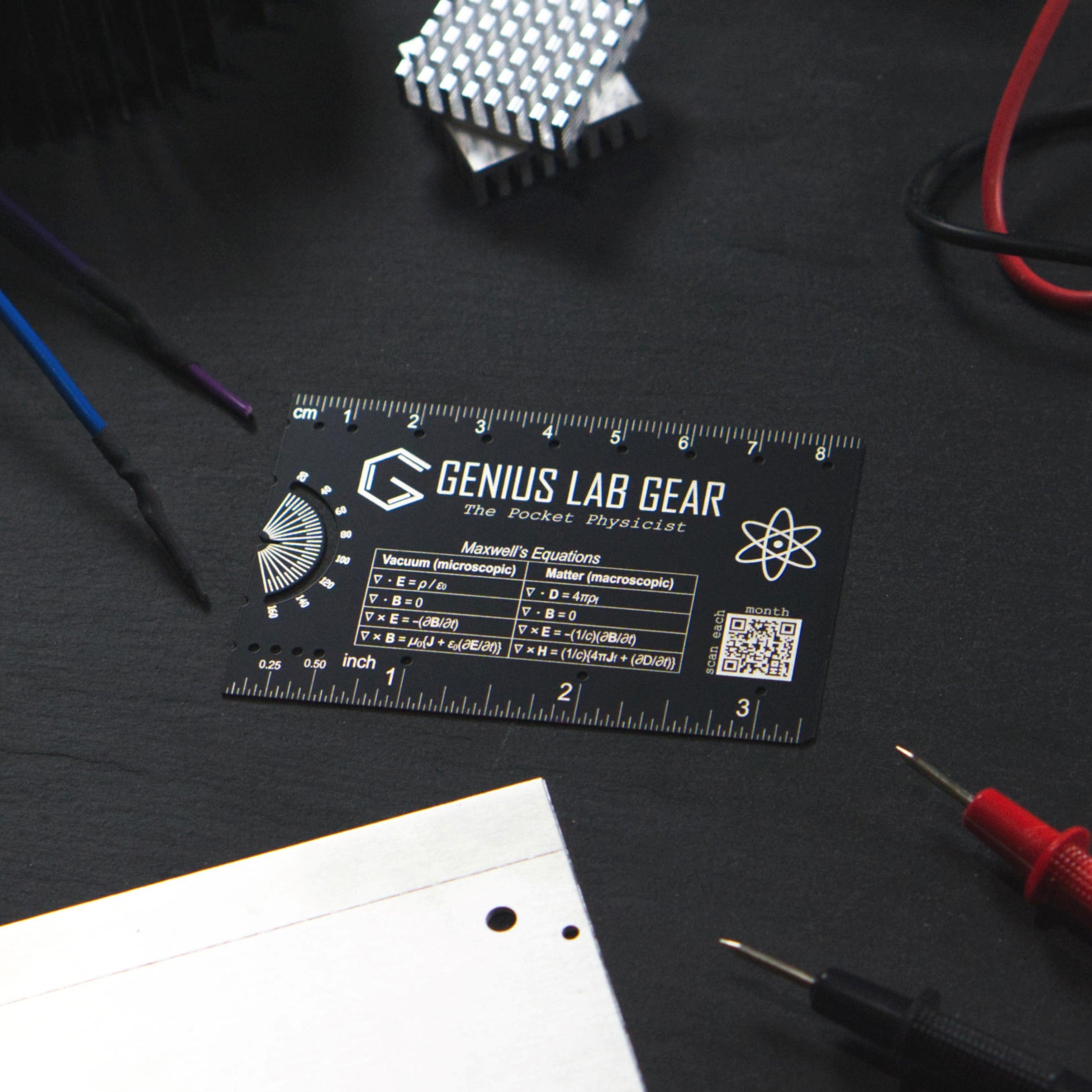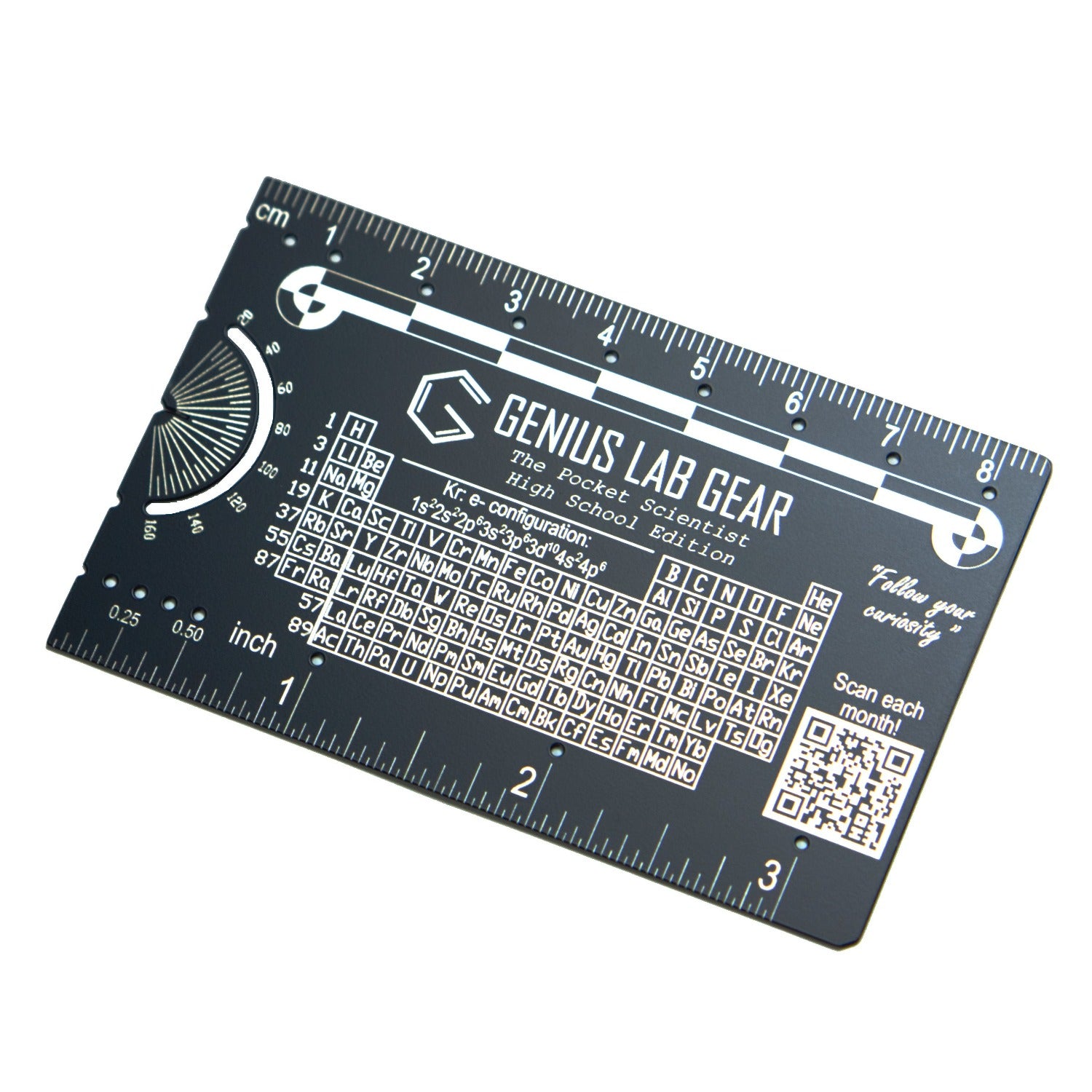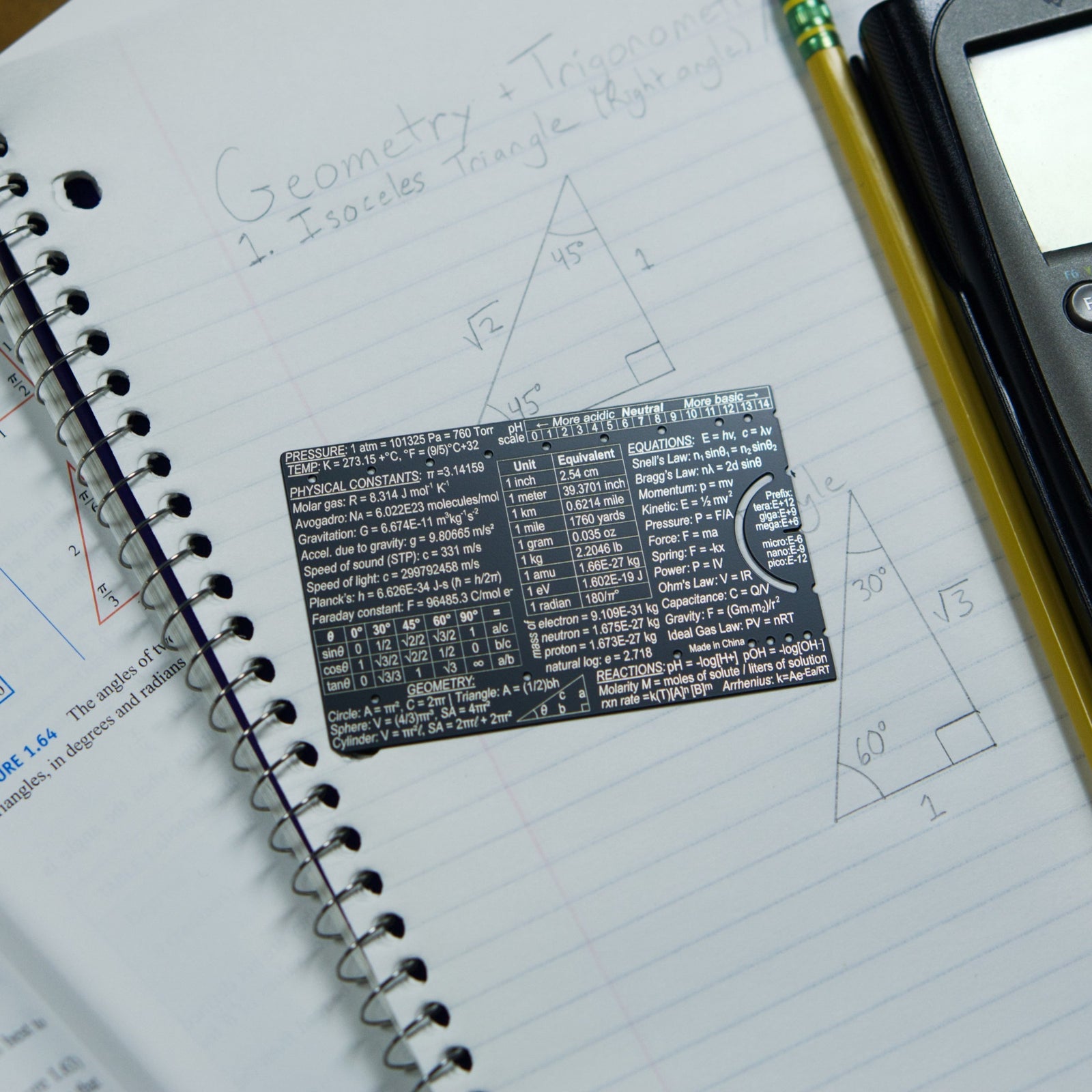
The Pocket Card Monthly QR Exclusive - June 2026
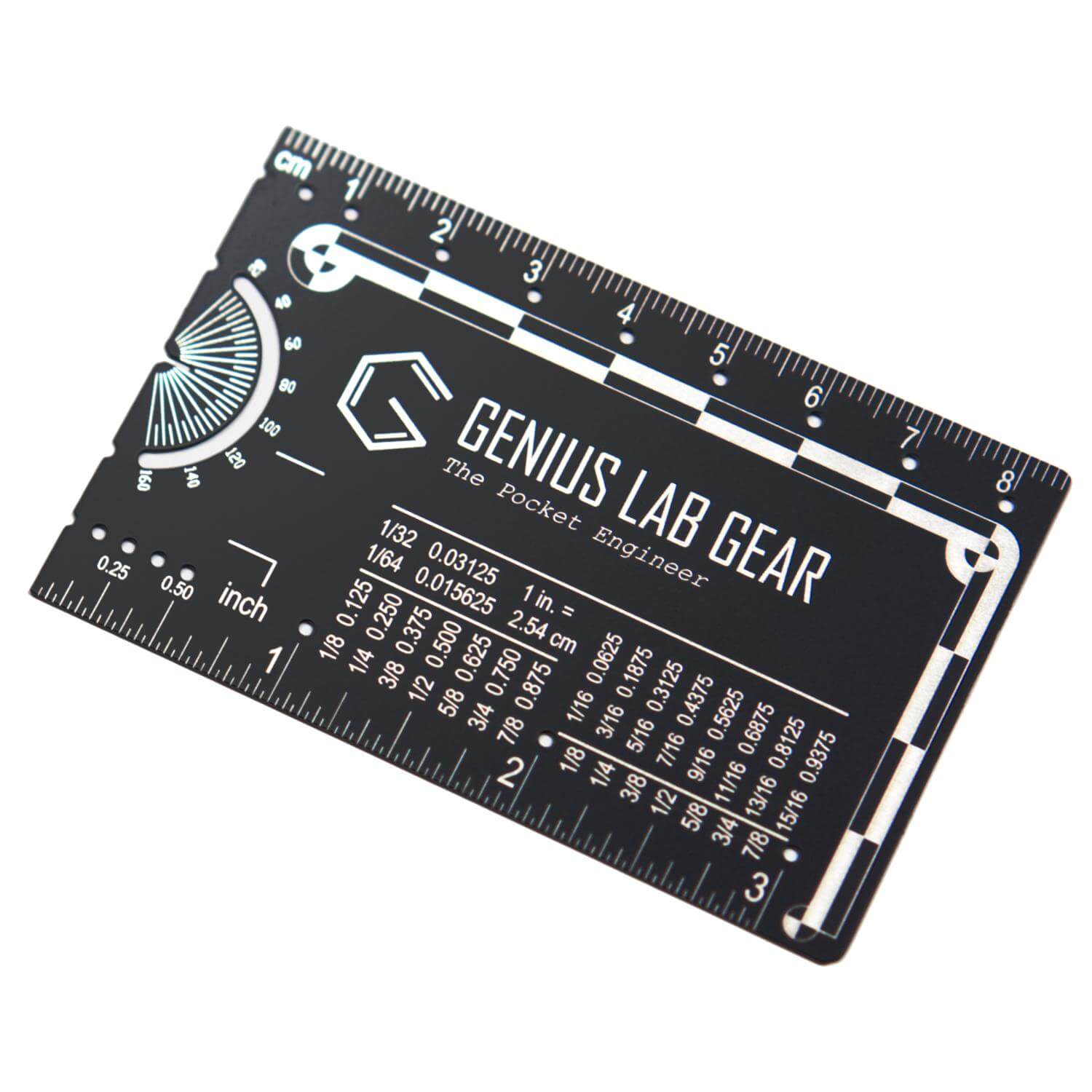
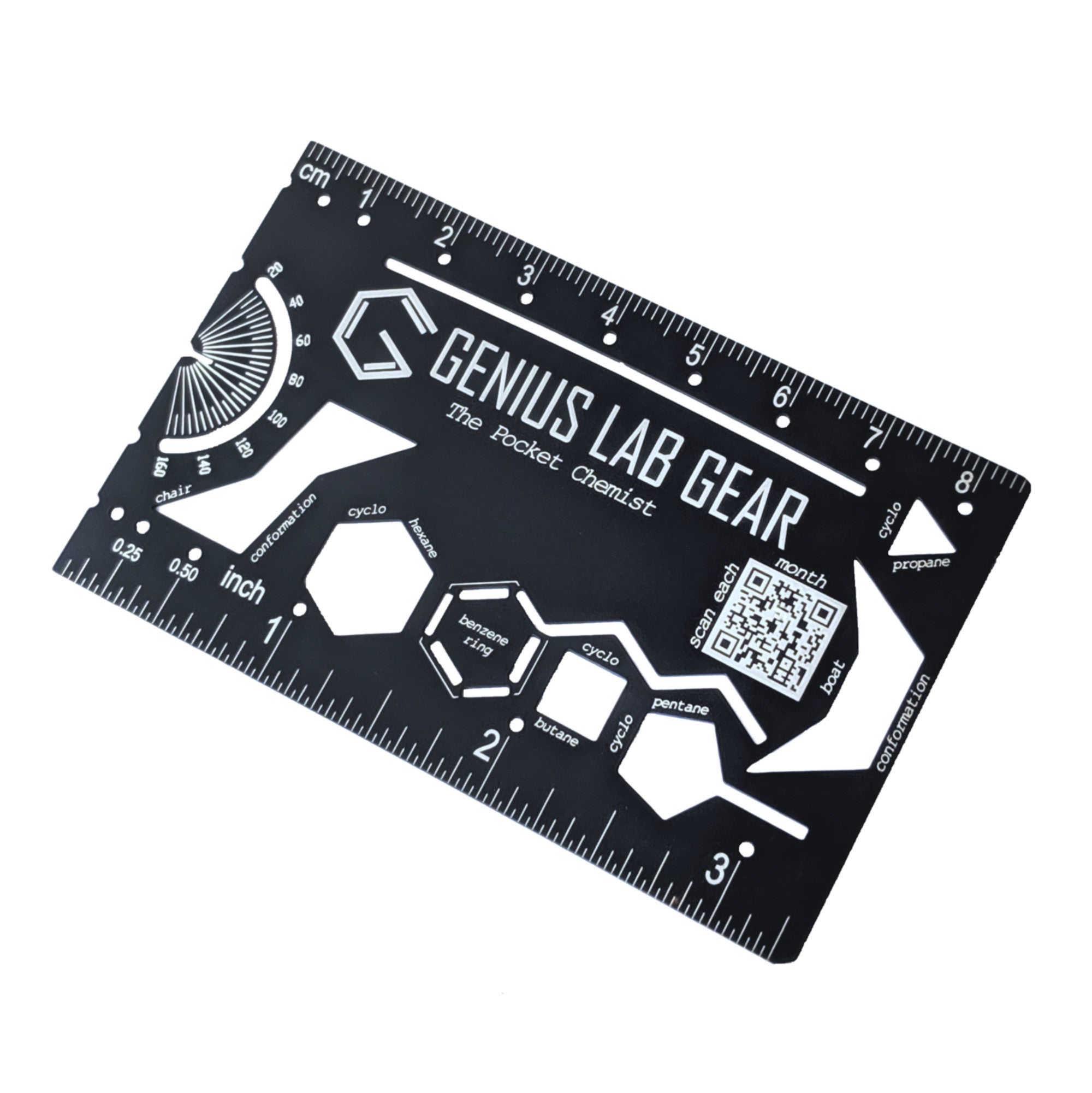
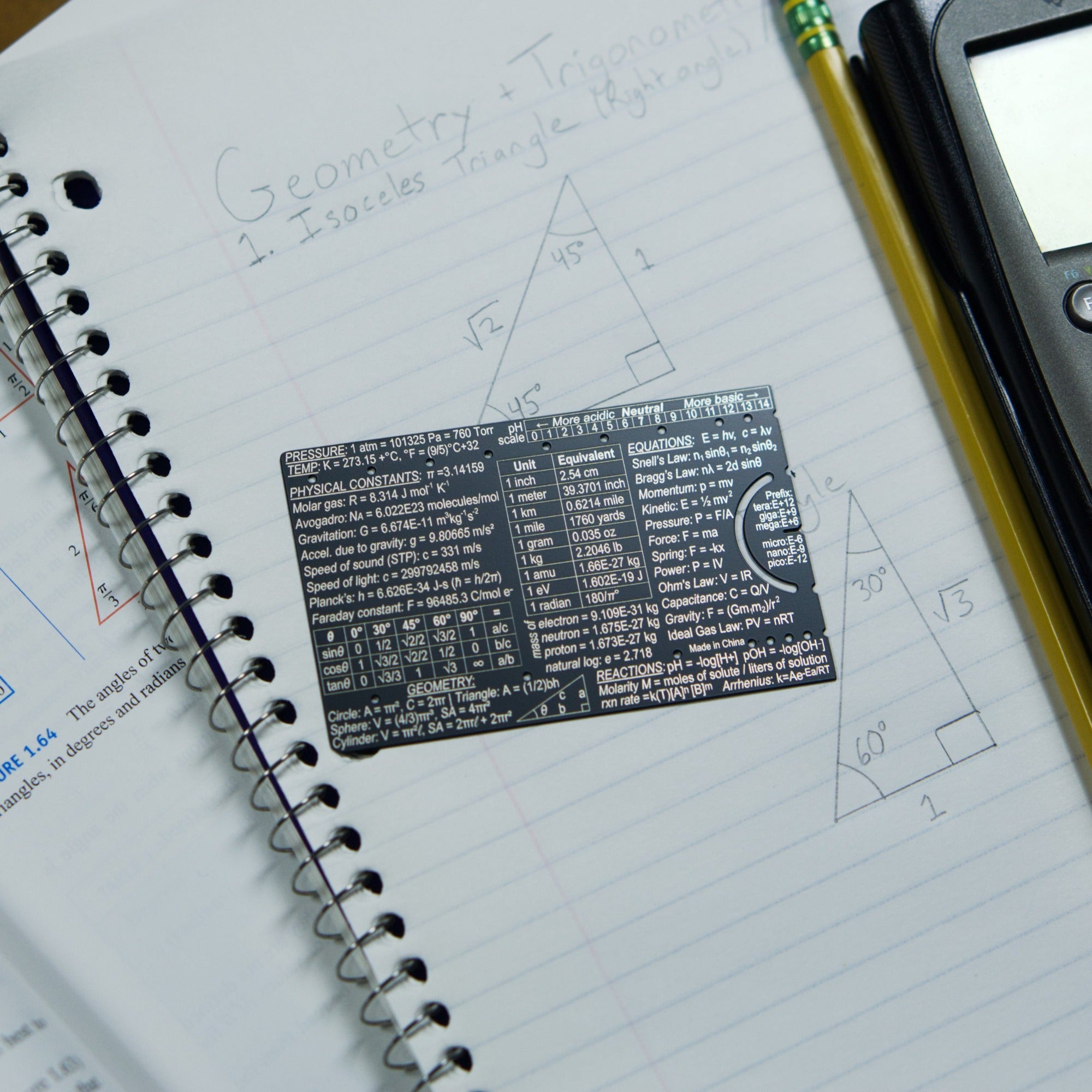
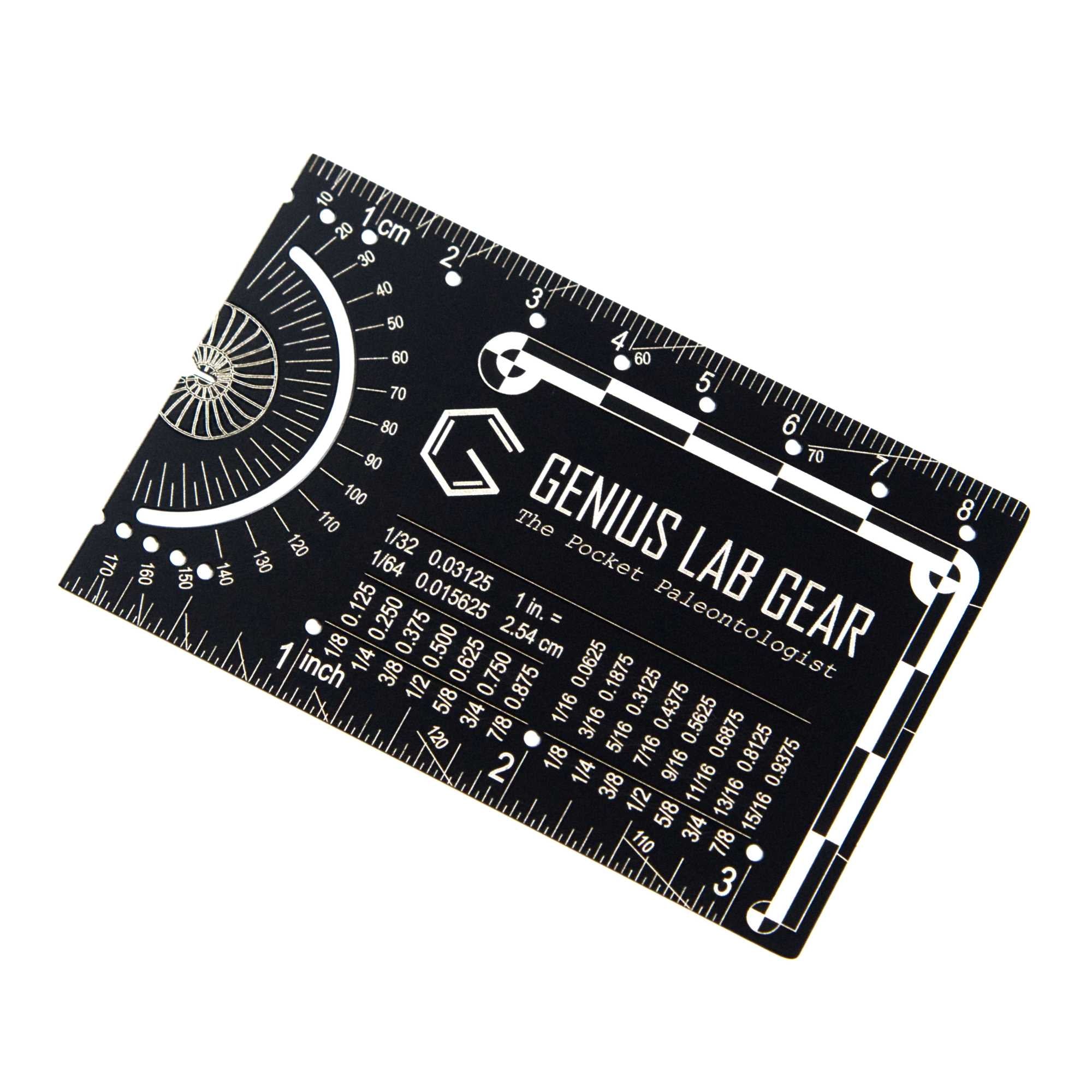
Thank you for ordering one of our popular STEM Pocket Tools and scanning the QR code to reach this page! This page is exclusively for holders of these cards and will have new content, freebies, resources and discounts every calendar month.
If you haven't signed up yet, subscribe here and you'll get our full toolkit of STEM resources!
June Discount: Theo Gray's Periodic Table Posters
If you missed these last year, they're back in stock after an updated print. Popular Science writer Theo Gray spent 20 years collecting and photographing every element in the periodic table, and Genius Lab Gear has the exclusive U.S. printing rights. The companion Periodic Table of Tools poster organizes vintage and modern tools in the same gorgeous format.
Subscribers get 20% off when you buy two posters, using code POSTER20 at checkout. Limit 1 use per customer, 10 total uses, so don't wait too long. Grab the bundle here.

June Resource: Map any paper's research universe with Connected Papers
Have you ever read a great paper, gone to its references, and felt like you were just falling down a citation rabbit hole? Me too! I would eventually load up a paper and think “Wow, I already read this one last week”.
Connected Papers is a free tool that fixes that. You paste in a single paper, and it builds a visual graph of the 30-40 most related papers in the literature, based on co-citation and bibliographic coupling. It doesn't just give you "papers that cite this one." It gives you the whole neighborhood, basically. Foundational older work, recent stuff, and the clusters in between that show how different research threads connect.
Here's why I think every grad student, postdoc, or PI onboarding a new trainee should bookmark it:
- Starting a new project? Drop in the seminal paper and you'll find adjacent literature you didn't know existed
- Writing a lit review? The graph shows you the conceptual structure of a field at a glance
- Catching up after time away? Paste in your last paper and Connected Papers will surface what's been published since
- Reviewing a manuscript? Drop in the submission to check whether the authors missed obvious prior work
It's free for up to 5 graphs per month, or about $3/month for unlimited. The free tier is enough for most people. I built a graph for my own 2014 gas sensor review paper below which I was shocked to learn has gotten up to 1600 citations!

Pint of Science 2026: did you catch it?
If you missed it this year, mark your calendar for next May. Pint of Science wrapped up its 2026 festival May 18-20, and it's still one of my favorite outreach formats. Working scientists give short talks in pubs, cafes, and bars across 25+ countries and 600+ cities.
Each event is usually $5 and topics this year ranged from "From Comics to the Cosmos" to a session called "When Polymers Walk Into a Pub" (best science talk title I've heard all year). There are 20 locations in the USA, and many more internationally.
If your city doesn't have a chapter, start one for 2027. Their organizing guide is on the site and they're recruiting coordinators.

It's a Federal Grant killing field out there (but Grant Witness is tracking them)
If you've been ignoring the federal science funding news because it's depressing, we're in the same boat. Real grants are gone. Real labs have shut down. Real graduate students have lost their funding mid-PhD. And until recently, there wasn't a single, reliable place to see the damage.
That changed with Grant Witness, a volunteer-run public database that tracks every NIH, NSF, EPA, SAMHSA, and CDC grant that's been terminated or frozen since January 2025. The data pulls from USAspending.gov, NIH RePORTER, HHS TAGGS, direct submissions from affected PIs, and a machine-learning model that fills in spending categories NIH hasn't yet officially classified. It's the most comprehensive open-source picture available.
The site is worth a few minutes of your time (especially if you can add to their database):
- Hover the NIH, NSF, EPA, SAMHSA, or CDC maps to see what your state has lost
- Filter by topic (LGBTQ health, vaccine research, training grants, minority-serving institutions, specific universities like Columbia or Harvard)
- See funding curves showing how NIH and NSF outlays have actually changed against historical baselines
- Read the weekly reports that summarize new terminations and reinstatements

The site is run by Noam Ross, Scott Delaney, and a small team of volunteers. It used to be called "Grant Watch" before they rebranded.
Big picture: The current terminations are happening alongside the FY2027 White House budget request that dropped in April, which proposed a 54.5% cut to NSF (from $8.8B to $4B) and a 12% cut to NIH (reported by C&EN). The House Appropriations Committee's counter-proposal still cuts NSF by 20% from FY26. That's the "moderate" version.
Here's the part most people don't know: Congress has historically rejected or mitigated proposed cuts through the appropriations process. The White House proposes, but Congress writes the actual checks. Last year's proposed cuts were largely walked back. That only happens when scientists and constituents make noise.
What you can do, in order of effort:
- Submit your own terminated grant if you have one, via Grant Witness's submission forms. Every accurate data point makes the public picture harder to dismiss
- Call your representatives. 5 Calls gives you scripts and numbers. A 2-minute call from a scientist constituent beats 100 form emails
- Share your impact story. Stand Up For Science is collecting personal stories about how NIH/NSF funding has shaped your research and training
- Show up in August. Most reps hold town halls during August recess. Bringing a lab coat to a town hall is the single most effective image you can put in a local newspaper
A 54% cut to NSF would be devastating. The terminated grants Grant Witness is tracking right now are a preview of what that future looks like. I don't want to be one of the scientists who looks back in 2036 and says we should have called more.
Upcoming STEM Holidays/Events
June 8: World Oceans Day
Great excuse to highlight marine science in a classroom or lab meeting. Even if you don't work on oceans, share a paper from a colleague who does.
June 23: International Day of Women in Engineering
Worth amplifying women engineers in your network on socials. The hashtag #INWED drives a lot of engagement.
June 27: National PTSD Awareness Day
A good moment to share neuroscience research on trauma, or to check in with a colleague who's a veteran.
👉 See our science and engineering holidays list to find more reasons (and seasons) to celebrate.
Behind the scenes at Genius Lab Gear
New in store: GIANTmicrobes plushes
We just brought in a selection of GIANTmicrobes, those plush stuffed versions of bacteria, viruses, antibodies, and other cellular machinery that science folks have been gifting each other for years. They're hilarious, surprisingly anatomically accurate, and make great desk companions or kid-friendly intros to microbiology. See all of our options here.

Coming to ASM Microbe in DC?
I'll have a booth at ASM Microbe in Washington, DC, June 4-7. If you're attending, come say hi and enter to win a free lab coat! I love to meet customers IRL. And you can even preview our FR lab coat prototype and give me feedback on the spot!
Monthly Science Cartoon
When your summer motivation and focus drifts a bit…

Science cartoons by Tom Gauld.
Did you miss last month? Check out our archive:
*Note: Discount codes will no longer be active and some links may be broken.
May 2026 - Find the papers you didn't know you needed with Research Rabbit
April 2026 - Grab a Pocket card as a graduation gift!
March 2026 - Buy 2, get 2 FREE Science Stickers
February 2026 - Get the High School Edition for a young scientist!
January 2026 - Save $5 and free shipping on STEM Word Magnets
December 2025 - 10% Off Your First Lab Coat!
November 2025 - BOGO STEM Word Magnets!
October 2025 - Free Einstein Political Quote Sticker
September 2025 - STEM Word Magnets for your Office Fridge or Fume Hood
August 2025 - 10% off All Mugs
July 2025 - Periodic Table of Tools Poster
June 2025 - New Stunning Posters by Theo Gray
May 2025 - Easy Graduation Gifting
April 2025 - Buy 2 get 3 free science stickers (Extended)
March 2025 - Buy 2 get 3 free science stickers
February 2025 - 20% Off Pocket Protectors
January 2025 - A guide to our January Deal
December 2024 - A free BioRender alternative from NIH
November 2024 - Beat the Lab Coat Price Increase!
October 2024 - Free Einstein Political Quote Sticker
September 2024 - Grab a pocket card for your classmate or colleague
August 2024 - Get the High School Edition for a young scientist!
July 2024 - Buy 3 Word Magnet sets, get 1 free!
June 2024 - Don't Miss Upcoming PhD Fellowship Opportunities
May 2024 - Prompting in Google Docs
April 2024 - Google Drive hacks
March 2024 - Mastering Lab Meetings
February 2024 - Mastering Schlenk Lines
January 2024 - Time-saving Excel shortcuts you didn't know
December 2023 - Virtual coworking with scientists
November 2023 - Data plots for colorblind scientists
October 2023 - Crowdfunding your experiments and The Lab Coat Project finale
September 2023 - How to quickly find info on chemicals and molecules
August 2023 - An intro to quarterly planning for research
July 2023 - Using AI to search research papers
June 2023 - The easy button on literature reviews
May 2023 - Negotiating vacation and Pocket Paleontologist launch
April 2023 - Job interviews and lab coat updates!
March 2023 - Lab coats affect your mental health?
February 2023 - STEM books that won't put you to sleep
January 2023 - AI Chat and SciArt
December 2022 - SciComm video editing tools
October 2022 - Career skills workshops
September 2022 - Conservation in the laboratory
August 2022 - Join a study to help scientists
July 2022 - Lab Coat Materials Ultimate Guide
June 2022 - Neuroscience Podcasts and Lab Coat Update
May 2022 - Science Learning Centers near you
April 2022 - The Pocket Physicist Launch and Best Math Blogs
February 2022 - Fantastic Physics Blogs
January 2022 - Pleasure reading for engineers
December 2021 - Easy lab process diagrams
November 2021 - Free STEM icons for your presentations
October 2021 - WebPlotDigitzer and Lab Coats
September 2021 - Engineering Podcasts
August 2021 - STEM Holiday Calendar
June 2021 - Productivity resources
May 2021 - SciComm on Social Media
April 2021 - Sustainability in the lab
March 2021 - Gifts for Engineers
February 2021 - Focus on reading papers
January 2021 - Focus on interviewing
December 2020 - Inspirational reading for graduate students
November 2020 - Graduate application resources
October 2020 - Voting for Science
September 2020 - New Lab Art Photography
August 2020 - The Pocket Chemist Exam Edition launch!
July 2020 - Word Magnet Launch!
June 2020 - Constant giveaways and learning to code
May 2020 - Time to get writing?
April 2020 - Quarantine life and a new retro sticker!
March 2020 - Focus on Best Chemistry Blogs
February 2020 - Focus on Digital tools for chemistry
January 2020 - Focus on Outreach
December 2019 - Focus on Social Media Accounts for Scientists
November 2019 - Focus on Helpful Reading for Grad Students