
The Pocket Card Monthly QR Exclusive
Thank you for ordering one of our popular STEM Pocket Tools and scanning the QR code to reach this page! This page is exclusively for holders of these cards and will have new content, freebies, resources and discounts every calendar month.
If you haven't signed up yet, subscribe here and you'll get our full toolkit of STEM resources!
October Discount: Free Einstein Sticker
Einstein was never quiet about politics, and we don't think scientists should be either. With midterms on November 3, we're bringing back our Einstein "Science Not Silence" sticker for your laptop or water bottle.
For October, get it free with any $15 order. Add the sticker to your cart and use code STICKERME at checkout (or click here to apply it), and the $4.50 comes right off.

October Resource: Hit a Paywall? Try This Before You Email the Author
You find the perfect paper but…$40?! Come on! If you've left a university, you're feeling this vacuum of institutional access already. But you might not need to pay up quite yet!
Unpaywall is a free browser extension that tracks down the free version for you, if it's available. When you open a journal article, it checks an index of more than 20 million free, legal PDFs. If it finds a match, a green tab pops up on the side of your screen, and one click gets you the full text.
And it's legal. Unpaywall only pulls manuscripts that authors have posted with publisher permission, on university repositories, government servers and preprint servers. The green tab shows up on roughly half the articles you'll hit.
It's a lifesaver for industry scientists whose companies don't subscribe to every journal, for teachers pulling primary literature for their students, and for anyone who's lost library access. It's also great when you want to read the actual study behind a news story which might be outside your field. It works on Chrome and Firefox, and more than a million people already use it.
And if that STILL doesn't work…just email the author! Most of them are happy to share it with you via email. Plus, you'll make a new connection.

Google's new "preferred sources" function
Google now lets you choose your preferred sources of information. This could be great for filtering out low-quality news, or it could completely backfire and increase the "echo chamber" effect that's only gotten worse on social media for the last decade.
But if you enjoy our science and STEM content, you can add Genius Lab Gear as a preferred source. That makes it easier to find our info about curated science gifts, lab coat technical compatibility, and other lab topics in places like Google Search and AI Overviews.

The NIH power grab that scientists stopped
What if a political appointee got the final say on whether your cancer research gets funded?
That almost happened last month. On September 21, Stand Up for Science warned about a draft executive order. It would've created a White House committee, including OMB Director Russell Vought, with veto power over NIH grant decisions. NIH spends more than $40 billion a year on research. Right now, independent panels of scientists decide which grants get funded through peer review with a focus on technical merit and chances of success. The order would've let political appointees overrule them if the research did not align with their political agenda. Yikes!
Senators from both parties objected right away. On September 22, Senate Appropriations Chair Susan Collins (R-Maine) warned that the plan "risks undermining the Congressionally-mandated peer review process." By September 23, it was reported dead. Sen. Patty Murray (D-Wash.) said, "It shouldn't take public outcry to prevent President Trump and Russ Vought from laying waste to the NIH."
But it did take public outcry, and a lot of it came from scientists like you. Stand Up for Science has been doing this all year, and that's why we make a monthly contribution to their operation. This summer, SUFS helped drive tens of thousands of public comments against a similar OMB grant rule. (I met founder Colette Delawalla at the DC rally last year. She's the real deal.)
The executive order is dead but the OMB rule from May isn't, and it could still give political appointees similar power over grants across agencies. On September 26, 31 senators wrote to Vought demanding he drop "any plan" for political control of NIH funding, and they called on Congress to write guardrails into law.
Commit to two of these today:
- Call your senators through the Capitol switchboard (202-224-3121) and ask them to support legislation protecting NIH peer review. If you're in Maine, thank Sen. Collins.
- Join Stand Up for Science's mailing list so you hear about the next one early.
- Vote on November 3. A third of the Senate is on the ballot.
- Forward this to a colleague who doesn't follow science policy.

Upcoming STEM Holidays/Events
National Chemistry Week (Oct 18-24)
This year's theme is "Chemistry Under Construction." As a materials scientist I'm biased, but concrete, glass, paint and polymers make for a great week. The Journal of Chemical Education has pulled together free classroom articles on the chemistry of building materials, and your local ACS section may be hosting events.
Mole Day (Oct 23)
From 6:02 a.m. to 6:02 p.m., chemists celebrate Avogadro's number, 6.02 x 10^23. A fun one for students: at one per second, counting a mole of anything would take about 19 million billion years, roughly a million times the age of the universe.
National STEM Day (Nov 8)
A good day to visit a classroom, host a lab tour, or send a local science teacher some supplies.
👉 See our science and engineering holidays list to find more reasons (and seasons) to celebrate.
Behind the scenes at Genius Lab Gear
FR Lab Coat Update
We have completed the UL certification for flame retardant compliance (the NFPA 2112 standard) and are starting production within the next month! Keep an eye out for pre-order information. The pre-order will be set at a lower price to thank our early supporters. Reply here if you're interested in the waitlist or getting paperwork completed ahead of time for a group order.
10k Giveaway!
We finally hit 10,000 followers on Instagram thanks to so many SciComm creators making fun videos with our lab coats. To celebrate, we're doing a giveaway on Instagram for a lab coat a few goodies. Head over and follow us so you can participate when we post it!
Monthly Science Cartoon
Doing whatever it takes to get back into a productive routine.

Science cartoons by Tom Gauld.
Did you miss last month? Check out our archive:
*Note: Discount codes will no longer be active and some links may be broken.
September 2026 - Find federal funding and refine your grant-writing approach
August 2026 - Google Pinpoint: search 200,000 files at once, free
July 2026 - Real Injuries, Lessons Learned + 30 Safety Tips
June 2026 - Map any paper's research universe with Connected Papers
May 2026 - Find the papers you didn't know you needed with Research Rabbit
April 2026 - Grab a Pocket card as a graduation gift!
March 2026 - Buy 2, get 2 FREE Science Stickers
February 2026 - Get the High School Edition for a young scientist!
January 2026 - Save $5 and free shipping on STEM Word Magnets
December 2025 - 10% Off Your First Lab Coat!
November 2025 - BOGO STEM Word Magnets!
October 2025 - Free Einstein Political Quote Sticker
September 2025 - STEM Word Magnets for your Office Fridge or Fume Hood
August 2025 - 10% off All Mugs
July 2025 - Periodic Table of Tools Poster
June 2025 - New Stunning Posters by Theo Gray
May 2025 - Easy Graduation Gifting
April 2025 - Buy 2 get 3 free science stickers (Extended)
March 2025 - Buy 2 get 3 free science stickers
February 2025 - 20% Off Pocket Protectors
January 2025 - A guide to our January Deal
December 2024 - A free BioRender alternative from NIH
November 2024 - Beat the Lab Coat Price Increase!
October 2024 - Free Einstein Political Quote Sticker
September 2024 - Grab a pocket card for your classmate or colleague
August 2024 - Get the High School Edition for a young scientist!
July 2024 - Buy 3 Word Magnet sets, get 1 free!
May 2024 - Prompting in Google Docs
April 2024 - Google Drive hacks
March 2024 - Mastering Lab Meetings
February 2024 - Mastering Schlenk Lines
January 2024 - Time-saving Excel shortcuts you didn't know
December 2023 - Virtual coworking with scientists
November 2023 - Data plots for colorblind scientists
October 2023 - Crowdfunding your experiments and The Lab Coat Project finale
September 2023 - How to quickly find info on chemicals and molecules
August 2023 - An intro to quarterly planning for research
July 2023 - Using AI to search research papers
June 2023 - The easy button on literature reviews
May 2023 - Negotiating vacation and Pocket Paleontologist launch
April 2023 - Job interviews and lab coat updates!
March 2023 - Lab coats affect your mental health?
February 2023 - STEM books that won't put you to sleep
January 2023 - AI Chat and SciArt
December 2022 - SciComm video editing tools
October 2022 - Career skills workshops
September 2022 - Conservation in the laboratory
August 2022 - Join a study to help scientists
July 2022 - Lab Coat Materials Ultimate Guide
June 2022 - Neuroscience Podcasts and Lab Coat Update
May 2022 - Science Learning Centers near you
April 2022 - The Pocket Physicist Launch and Best Math Blogs
February 2022 - Fantastic Physics Blogs
January 2022 - Pleasure reading for engineers
December 2021 - Easy lab process diagrams
November 2021 - Free STEM icons for your presentations
October 2021 - WebPlotDigitzer and Lab Coats
September 2021 - Engineering Podcasts
August 2021 - STEM Holiday Calendar
June 2021 - Productivity resources
May 2021 - SciComm on Social Media
April 2021 - Sustainability in the lab
March 2021 - Gifts for Engineers
February 2021 - Focus on reading papers
January 2021 - Focus on interviewing
December 2020 - Inspirational reading for graduate students
November 2020 - Graduate application resources
October 2020 - Voting for Science
September 2020 - New Lab Art Photography
August 2020 - The Pocket Chemist Exam Edition launch!
July 2020 - Word Magnet Launch!
June 2020 - Constant giveaways and learning to code
May 2020 - Time to get writing?
April 2020 - Quarantine life and a new retro sticker!
March 2020 - Focus on Best Chemistry Blogs
February 2020 - Focus on Digital tools for chemistry
January 2020 - Focus on Outreach
December 2019 - Focus on Social Media Accounts for Scientists
November 2019 - Focus on Helpful Reading for Grad Students


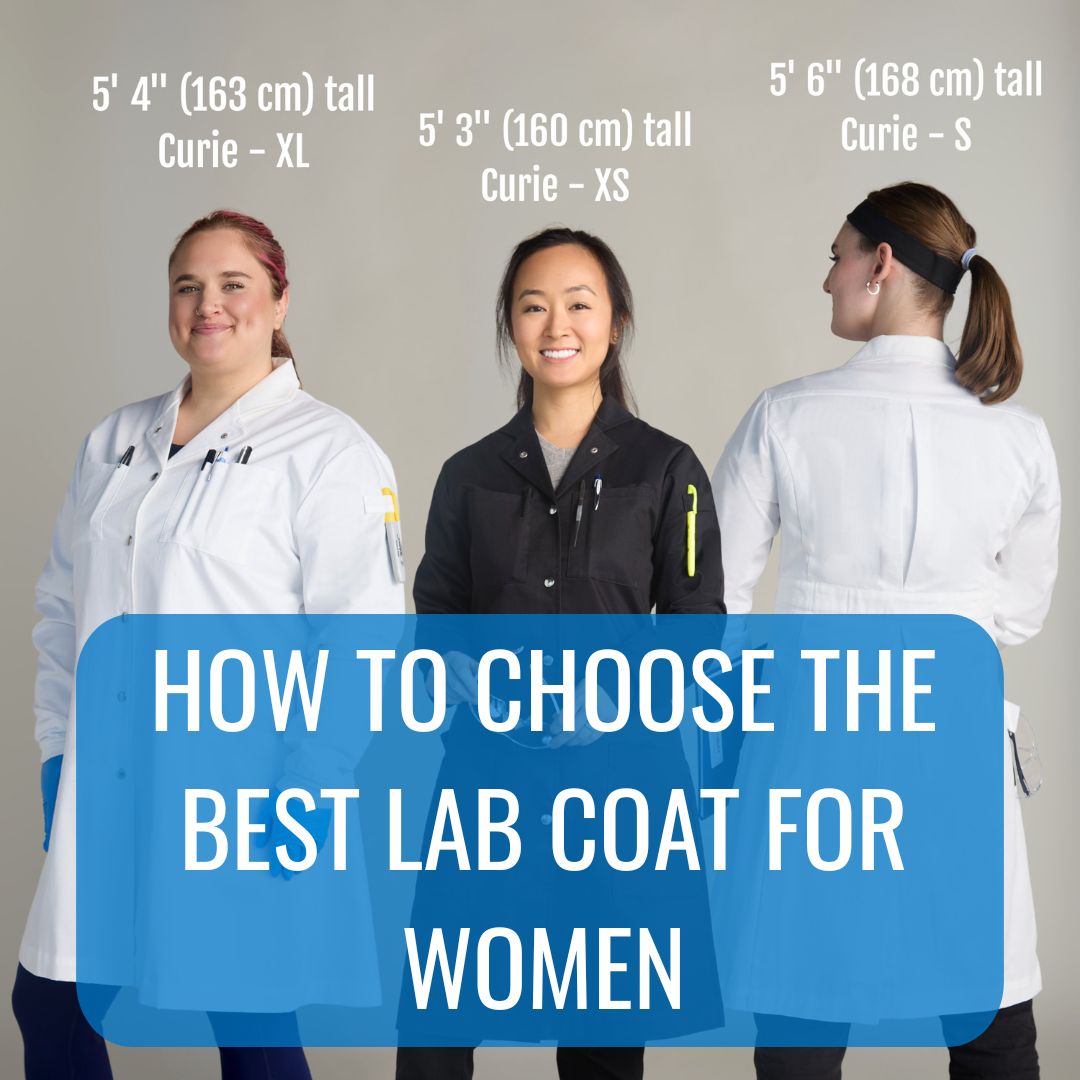

How to Choose the Best Lab Coat for Women
Ninety-seven percent of women in our Lab Coat Project survey reported a fit problem with their...
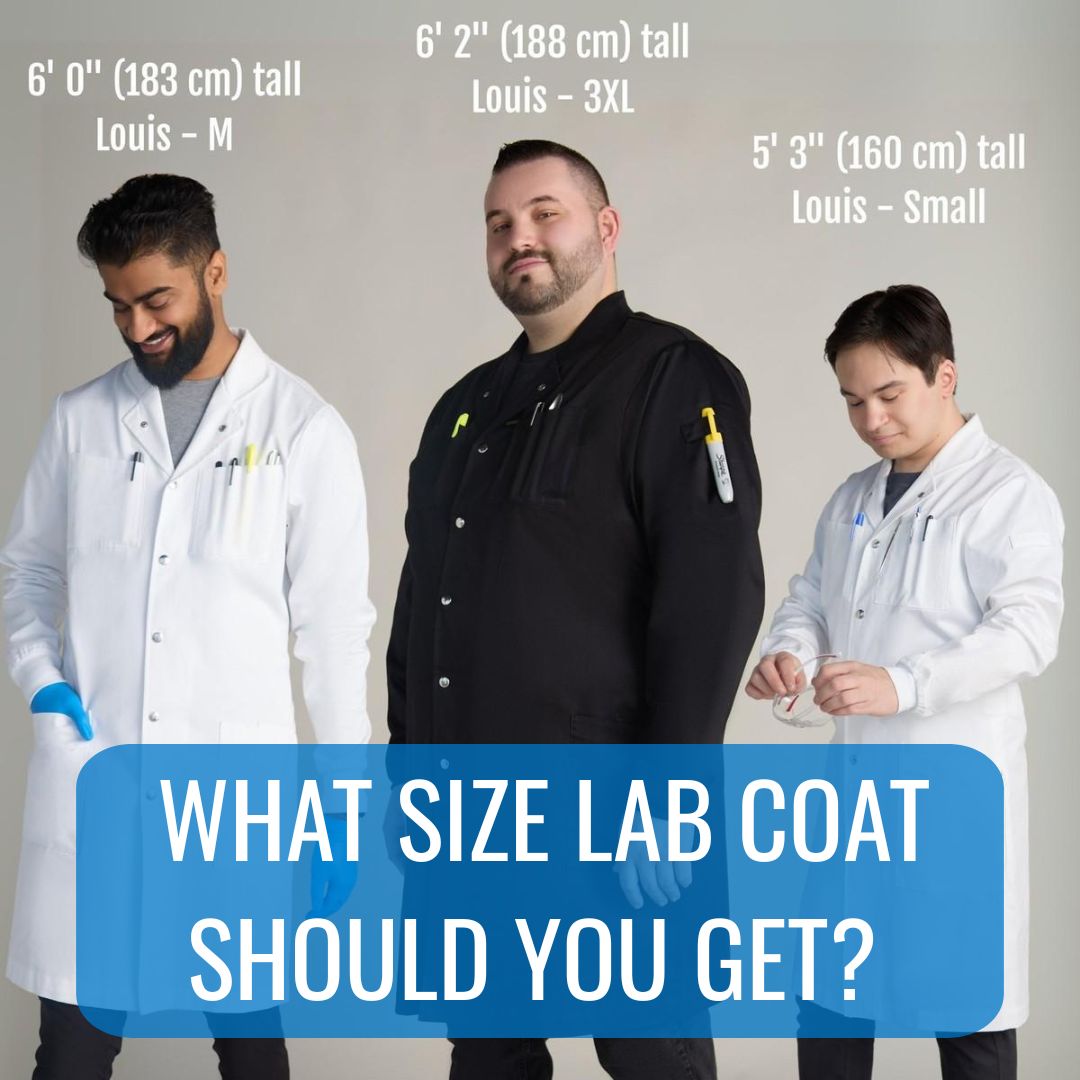

What Size Lab Coat Should You Get?
Most lab coats fit badly because people order their regular clothing size instead of measuring...
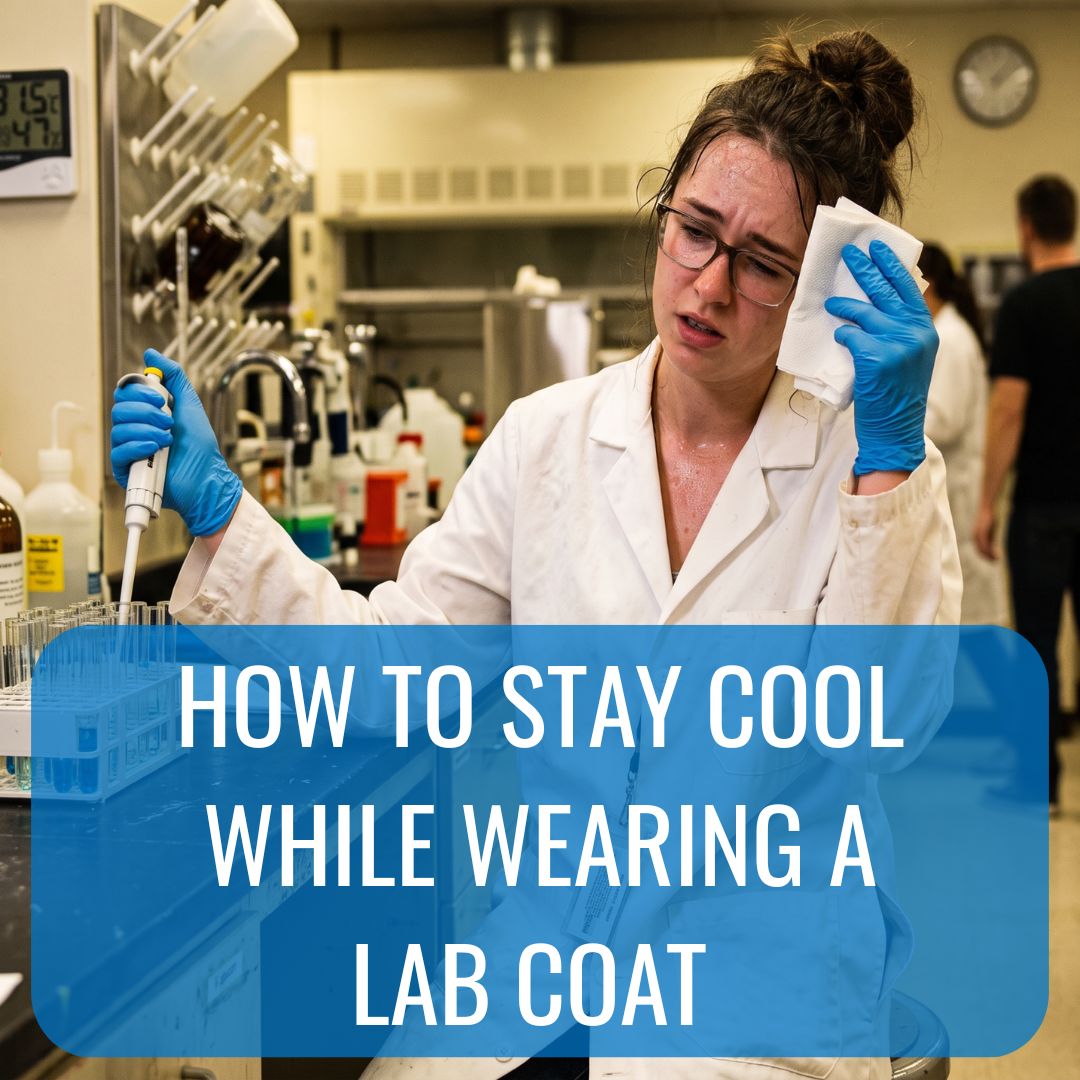

How to Stay Cool While Wearing a Lab Coat All Day
Stay comfortable during long days in the lab with practical, safety-conscious tips to reduce h...